From Scale to Stability: The New Era of Solar Manufacturing
The solar industry is no longer defined by rapid expansion alone- it is now entering a phase where efficiency, reliability, and long-term value creation are becoming the real differentiators
INTRODUCTION
India’s renewable energy sector continues to accelerate at an unprecedented pace. In FY2026 alone, the country added over 50 GW of renewable capacity, with solar contributing the majority share , reinforcing its position as a core pillar of the energy transition.
At the same time, this rapid growth is reshaping how solar manufacturing, technology, and policy evolve together.
INDUSTRY UPDATE: Growth Meets Structural Shift
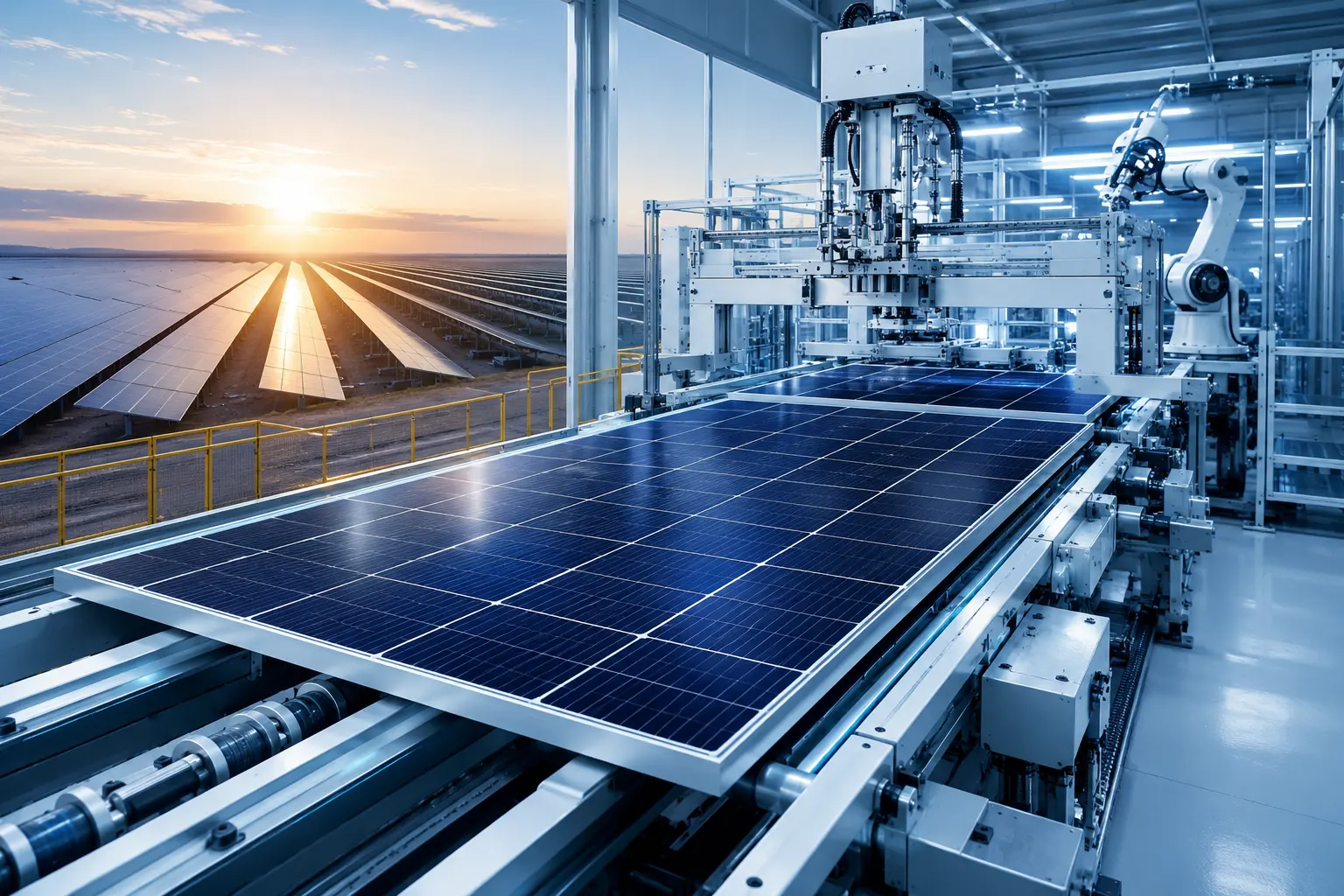
India’s solar manufacturing capacity has expanded aggressively, crossing 100 GW+ module capacity, supported largely by government-led initiatives such as the Production Linked Incentive (PLI) scheme.
However, the industry is now facing a critical transition:
- Manufacturing capacity is growing faster than installation demand, creating potential oversupply conditions
- Global module prices are declining due to excess production
- Export dynamics are shifting due to tariffs and supply chain scrutiny
This signals a clear shift from volume-driven growth to value-driven manufacturing
POLICY & MARKET DIRECTION: From Incentives to Integration
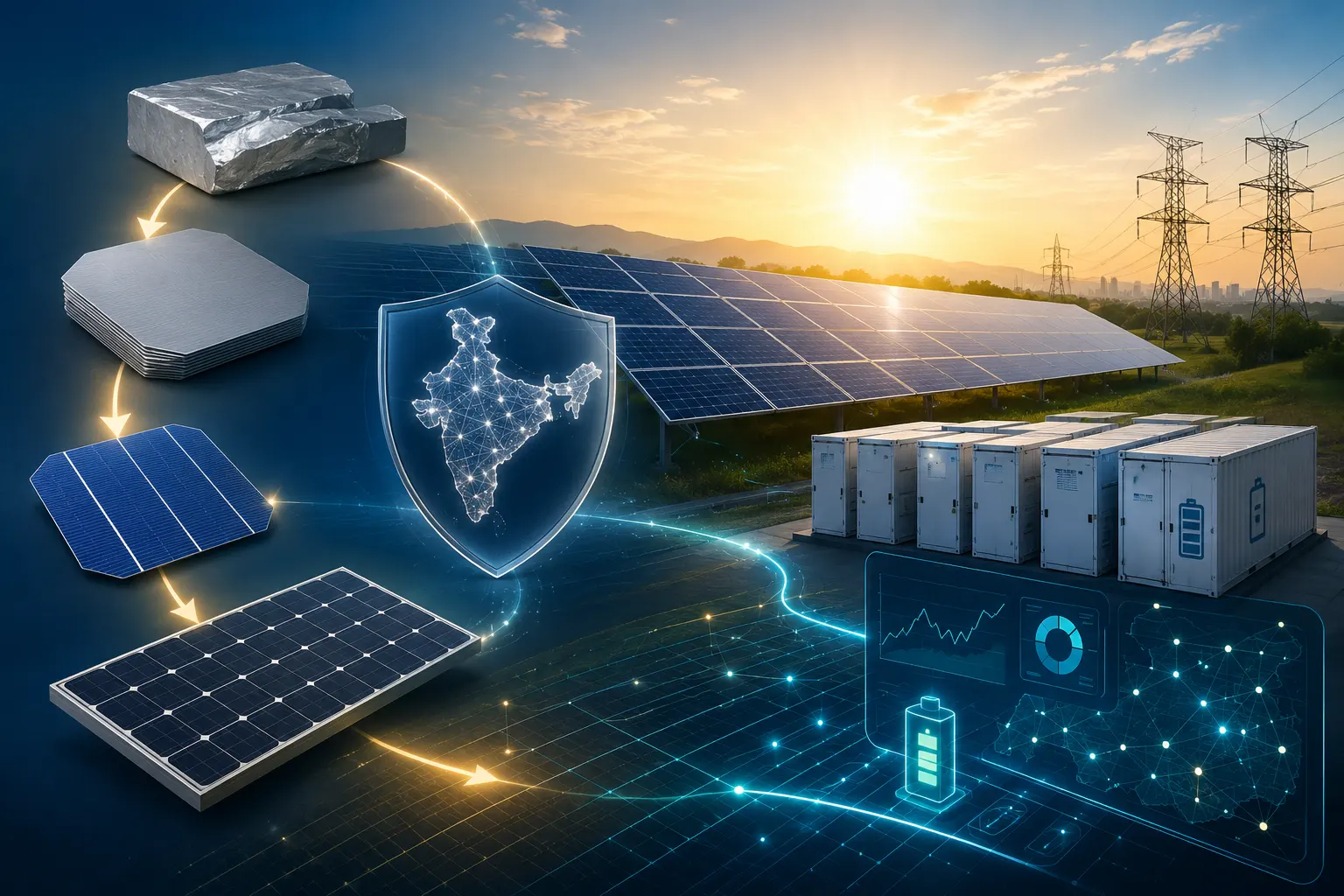
Government policies have played a pivotal role in scaling solar adoption. But the next phase is focused on deepening the ecosystem:
- Push toward backward integration (ingot → wafer → cell → module)
- Emphasis on domestic supply chain resilience
- Increasing focus on grid modernization and storage solutions
This transition is essential because solar, unlike conventional energy, requires advanced forecasting, grid flexibility, and storage integration to ensure reliability.
TREND WATCH: What’s Redefining Solar in 2026
1. From Cost Saving to Cost Control

Solar is no longer just about reducing electricity bills. Industries are adopting it to stabilize long-term energy costs, making it a strategic operational asset rather than a tactical investment.
2. Quality Over Price
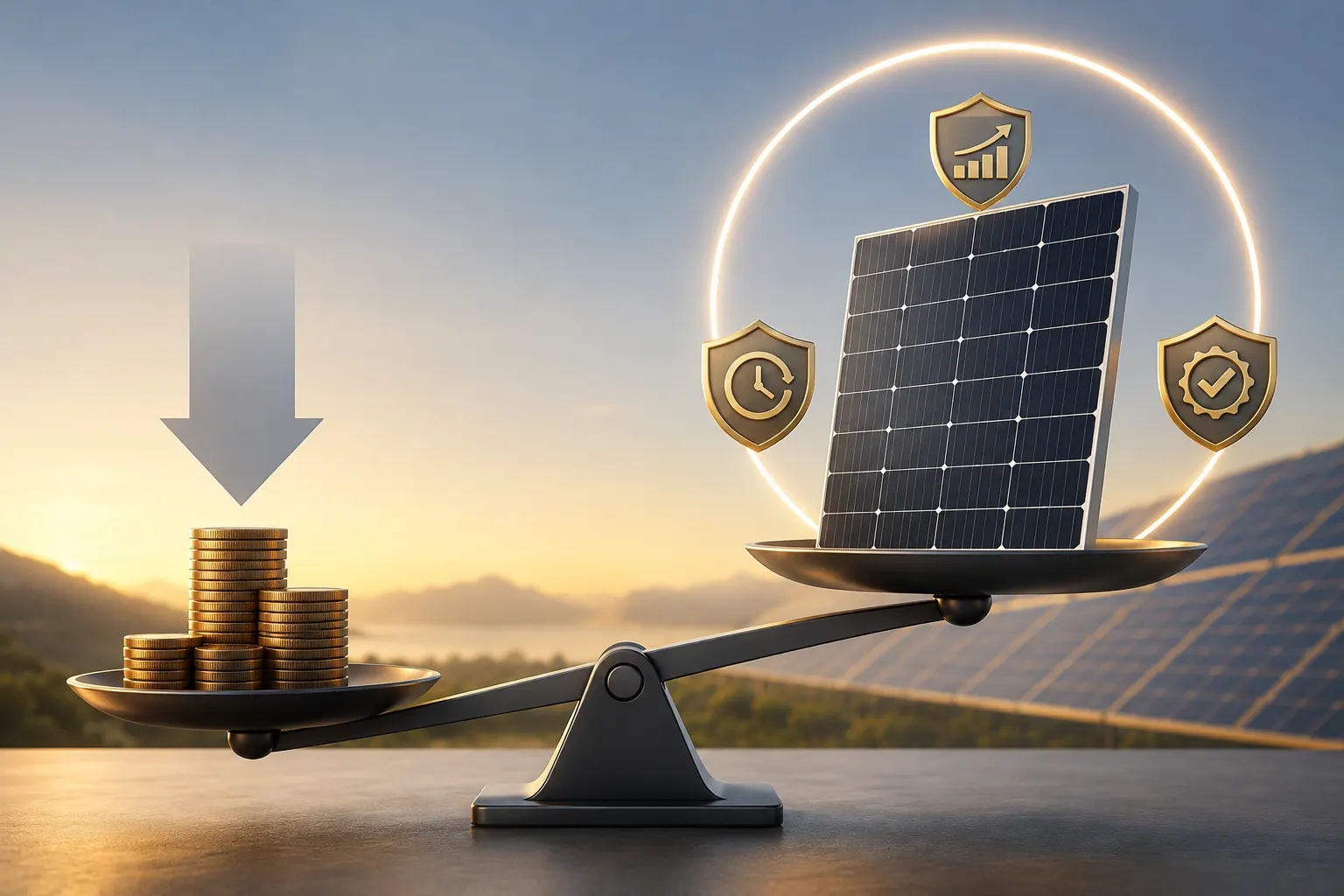
The market is moving away from price-driven decisions. Buyers are prioritizing:
- Low degradation rates
- Consistent performance
- Proven manufacturing standards
3. Engineering-Led Performance
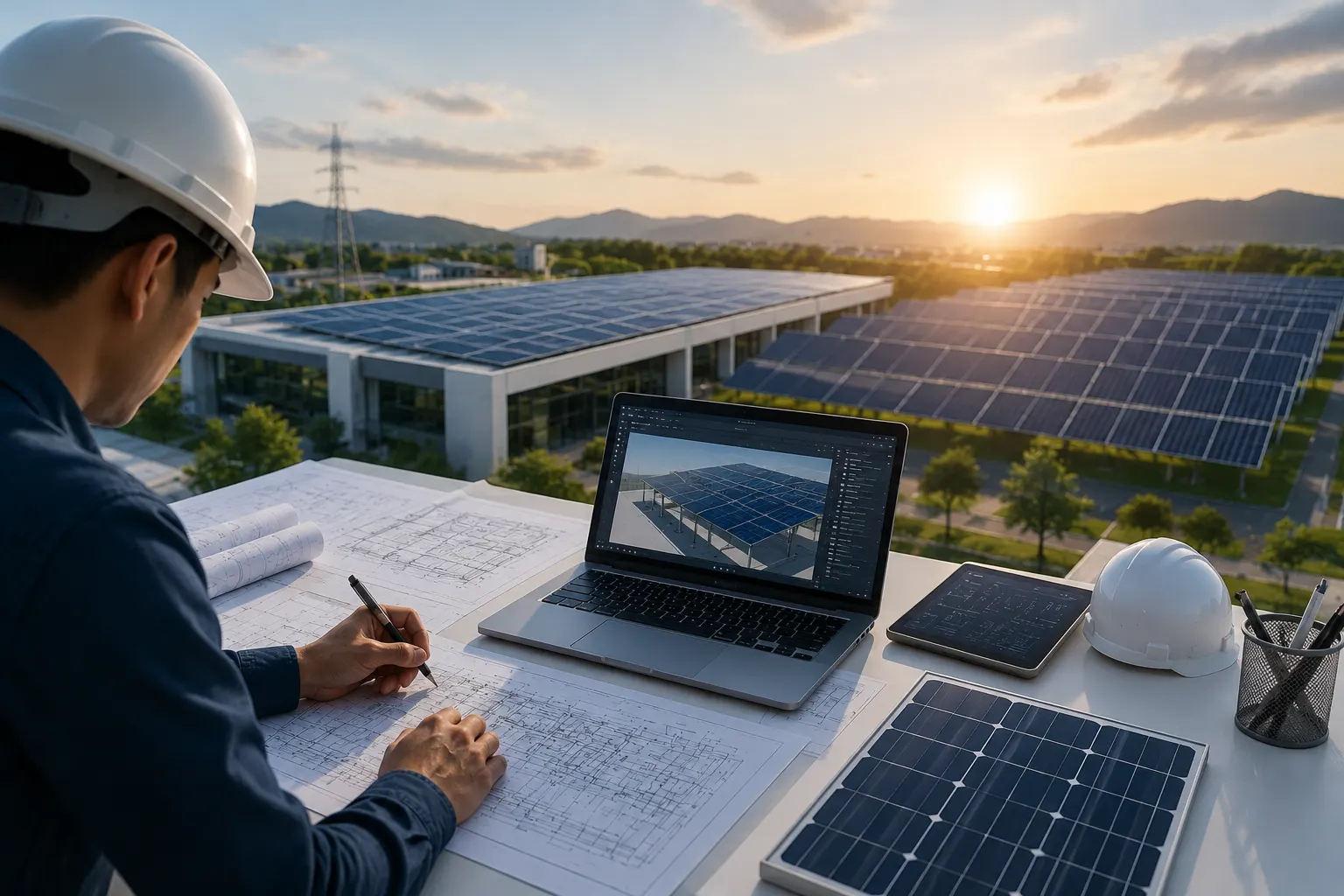
System efficiency today depends as much on design and engineering as on module quality—right sizing, shading analysis, and system integration are becoming critica.
4. Rise of Advanced Technologies
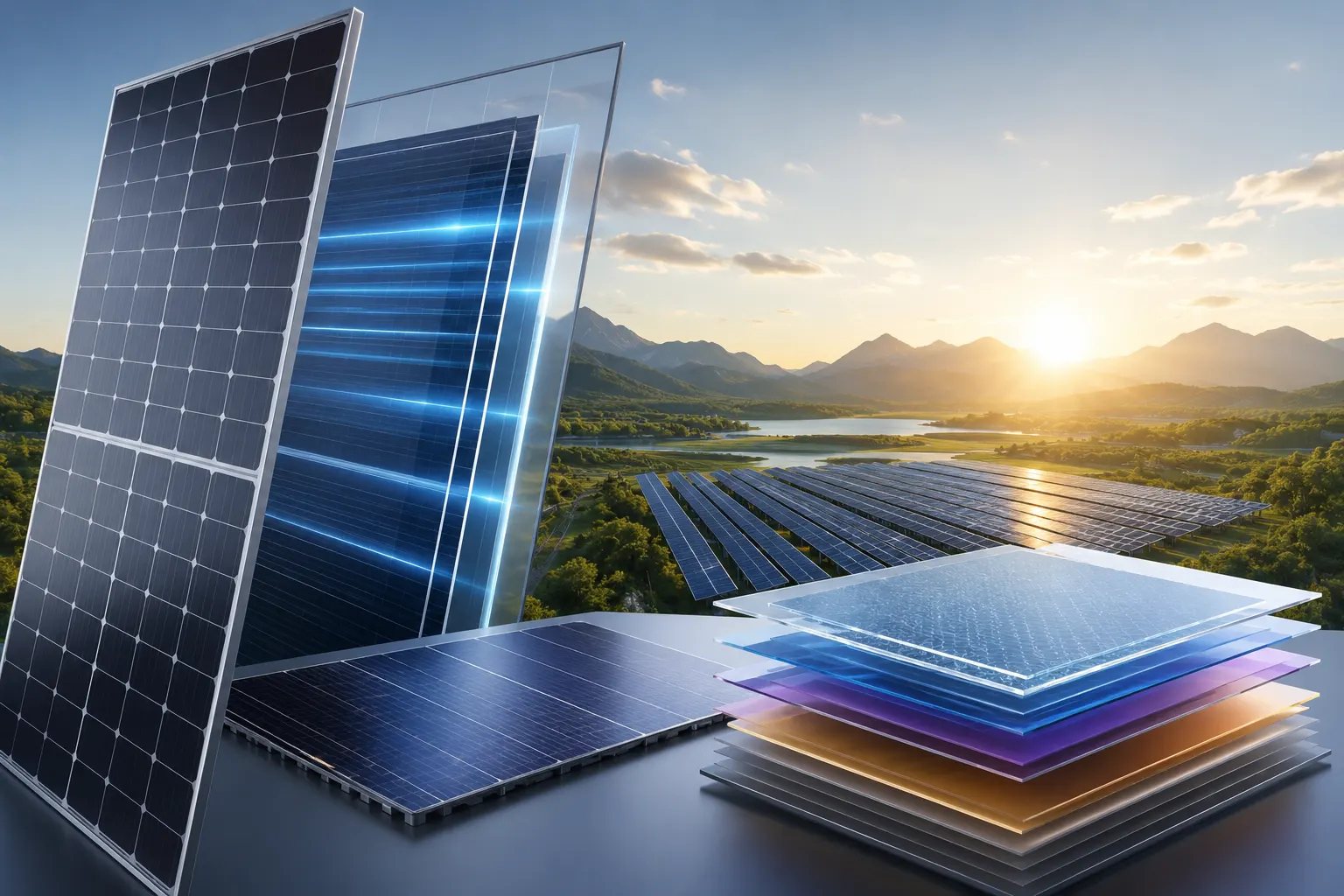
Technologies such as:
- TOPCon and bifacial modules
- High-efficiency cell architectures
- Emerging tandem and thin-film innovations
We are pushing efficiency benchmarks higher while improving lifecycle returns.
SOLAR MANUFACTURING 101: What Really Matters
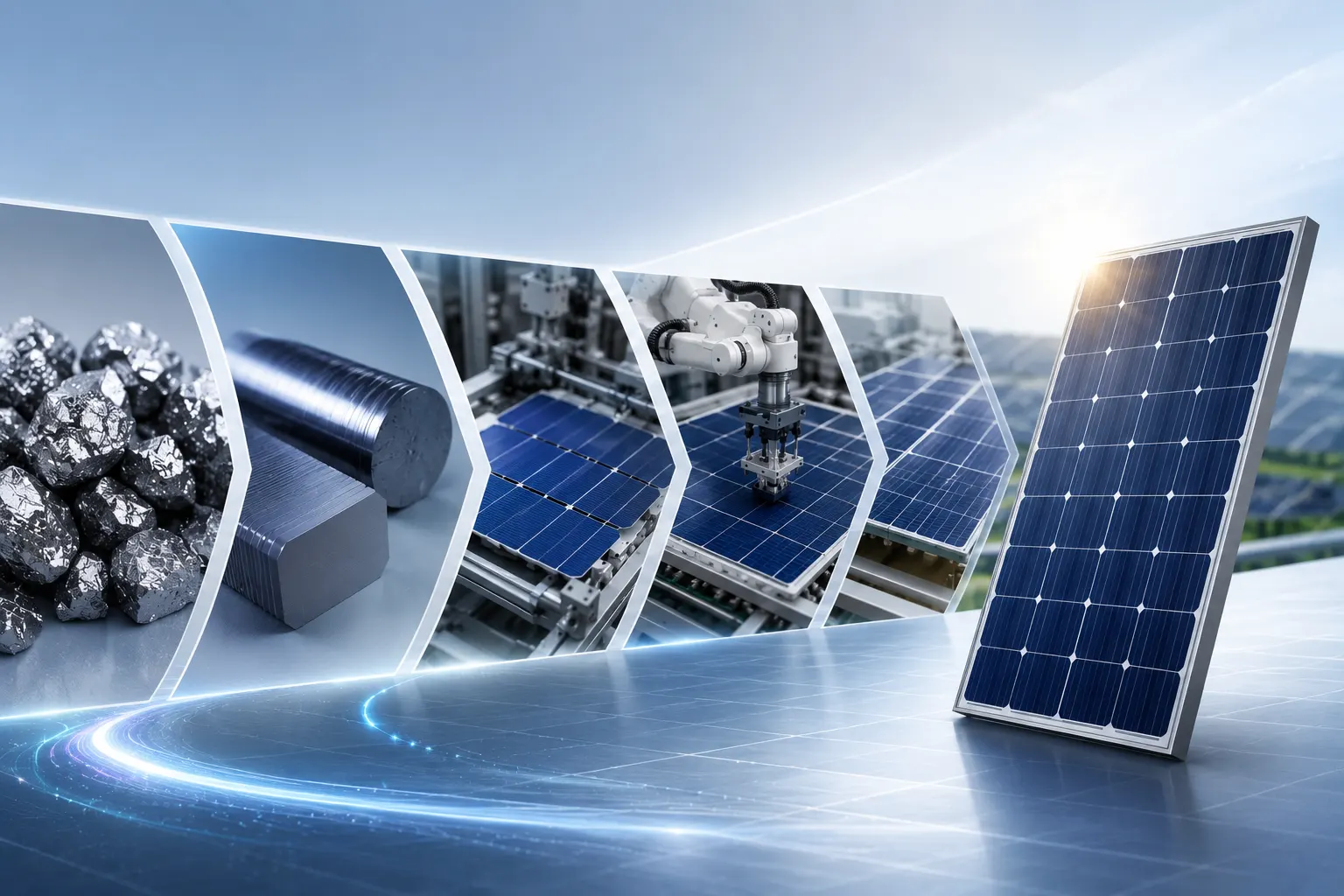
Understanding solar manufacturing goes beyond knowing panels.
A typical solar module is the result of a multi-stage, precision-driven process:
- 1. Polysilicon Production – The base raw material
- 2. Ingot & Wafer Formation – Structuring silicon into usable formats
- 3. Cell Manufacturing – Converting light into electricity
- 4. Module Assembly – Integrating cells into durable, field-ready panels
The real differentiator lies in:
- Process control consistency
- Material quality
- Technology adoption (cell architecture & efficiency)
This is why globally, the industry is shifting from capacity expansion to manufacturing
excellence.
QUICK INSIGHT: The Oversupply Paradox
While demand is growing, manufacturing capacity is expanding even faster.
This creates a paradox:
- Lower module prices benefit developers
- But margins tighten for manufacturers
- Only technologically advanced and vertically integrated players remain competitive
In simple terms:
The market is rewarding reliability, not just scale.
LOOKING AHEAD: The Next Phase of Solar
The future of solar manufacturing will be shaped by three key forces:
- Integration
- Innovation
- Sustainability
Solar is no longer just an energy solution—it is becoming a precision-engineered industry where performance, predictability, and trust define success.
PIXON PERSPECTIVE
“Long-term performance will always outperform short-term price.”
At Pixon Solar, we believe the industry is moving toward a simple but powerful principle.
As solar adoption scales, the focus must shift from installing more panels to building better-performing systems that last longer, deliver consistently, and create real value over time.
Stay connected with Pixon Solar for more insights, innovations, and industry updates