Solar Connect October

Welcome to Solar Connect!
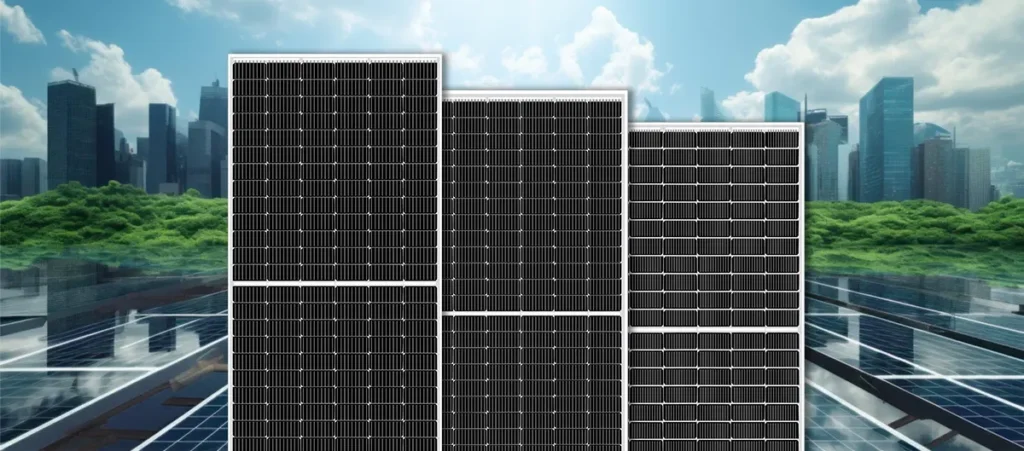
Solar panels now have an increased lifespan of 30 years.

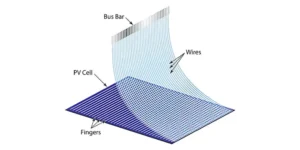
Solar panels, known for their eco-friendliness and cost-effectiveness, typically come with a 25-year warranty. However, by utilizing advanced technology like Multibusbar design and proper maintenance, the lifespan is increased to 30 years. Despite some gradual efficiency declines due to issues like microcracks, electrical connections weakening, and discoloration, solar panels can still serve as a reliable source of energy.

Factors Affecting Solar Panel Performance

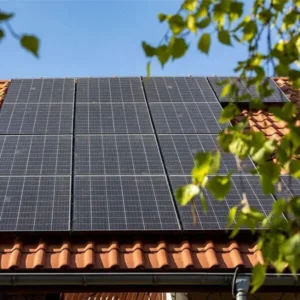
Roof Orientation: Positioning solar panels facing south at a 30-40 degree tilt captures the most sunlight, especially in the Northern Hemisphere.

Solar Irradiation: Solar panels rely on sunlight, not heat, for energy production, so more sunlight means more electricity.

Temperature: Excessive heat can hinder performance, so consider climate and airflow when installing panels.

Maintaining Solar Panel Efficiency

To ensure your solar panels remain efficient for many years, keep them clean and free from dust and debris. Regular maintenance and monitoring by a reputable solar company can help maximize their performance.

Outstanding October

From celebrating Navratri and Dussehra to showcasing our presence at the REI Expo 2023, a feature in a prominent magazine interview with our Director, and hosting college students for an industrial visit, it’s been an eventful month for PIXON!

Dancing to the Rhythms of Unity

We kicked off the month with vibrant celebrations of Navratri. The PIXON family came together to honor this festival of nine nights with enthusiasm and joy. Our team members participated in traditional Garba and Dandiya Raas dances, bringing the spirit of unity and togetherness to our workplace.

Embracing the Triumph of Clean Energy

As the Navratri festivities concluded, we continued the festive spirit by celebrating Dussehra with great fervor. The burning of the effigy of Ravana symbolized the triumph of good over evil, reminding us of the importance of sustainability and clean energy in today’s world.

PIXON’s Innovations on Display

PIXON made a significant presence at the Renewable Energy India Expo 2023 held in Greater Noida from 4-6 Oct, 2023. We showcased our latest innovations in solar technology, including our advanced solar panels and energy storage solutions. Our team engaged with industry experts and visitors to discuss the future of renewable energy and our commitment to sustainable solutions.

Director’s Insights

We are delighted to announce that this month our Directors, Mr. Punit Mehta & Mr. Sumit Mehta, were featured in a prominent industry magazines like Solar Quarter, EPC World & Industrial Outlook. The interview highlights our journey, mission, and vision for the future of solar energy. You can read the full interview [insert link] and gain insights into our leadership’s perspective.

Nurturing Future Solar Leaders
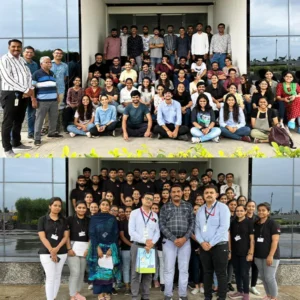
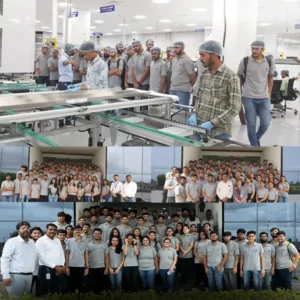
PIXON hosted a group of enthusiastic college students for an industrial visit to our facilities. It was a great opportunity to inspire and educate the next generation about the potential of solar energy. Our experts conducted interactive sessions, plant tours, and hands-on activities to provide students with a holistic understanding of solar technology.

As we look back on this month’s achievements and celebrations, we are reminded of our commitment to advancing solar energy solutions for a sustainable future. We thank you for your continued support and look forward to sharing more exciting updates in the coming months.

Stay connected with PIXON for the latest developments in the world of solar energy. Follow us on social media, visit our website, and subscribe to our newsletter to stay updated on all things solar.

Wishing you a bright and sustainable October!
 

solar-connect-september

Welcome to Solar Connect!

Solar and Storage: A Simple Power Pair

Solar energy and storage, like batteries, are a great team. Think of them as best friends that help each other out. Solar energy uses the sun to make power, and storage keeps that power safe for when we need it later, like at night.

In the past, big countries with lots of oil or gas had a lot of power. They could decide who gets energy and who doesn’t. This sometimes caused problems or even fights between countries. But with solar energy, every place can make its own power because the sun shines everywhere. And with storage, they can keep that power for a rainy day. This means all countries can have their own energy without depending on others.

Traditional power systems can have problems. Big storms or other things can stop them from working. But with solar panels and batteries in many places, even if one place has a problem, others can still work.

Batteries have gotten much better and cheaper recently. This means we can store energy from the sun when it’s very sunny and use it when it’s not. This makes solar energy even better.

Also, using solar energy is good for our planet. It doesn’t harm the environment like some other ways of making power. As we face problems with our climate, using solar energy can help reduce these problems.

To conclude, solar energy and storage are like a energy-building team. They help us have power all the time, are good for our planet, and make sure all places can have their own energy. Together, they promise a better and brighter future for everyone.

Highlight of the Month:

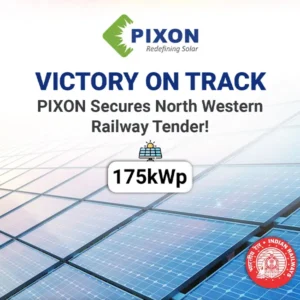
Tender Win!

We are thrilled to announce that PIXON has been awarded a tender for a 175kw project with the North Western Railway. This is a significant milestone for us, and we’re excited to contribute to the sustainable future of our railways. Our team is gearing up to deliver excellence and ensure a seamless integration of our renewable solutions for the railway network.

Cultural Celebrations at PIXON

Ganpati Celebrations

This month, we welcomed Lord Ganesha with great fervor and joy. The PIXON family came together to celebrate Ganesh Chaturthi, with beautiful decorations, delightful music, and delicious sweets. We are grateful for the blessings and positive vibes that filled our workspace.

Janmashtami Festival

The spirit of Janmashtami was alive at PIXON! The festive mood, traditional attire, and the shared joy made it a memorable day for all of us.

In Conclusion

September has been a month of achievements, learning, and celebrations. As we move forward, we remain committed to our vision of a sustainable future and cherish the moments of togetherness and joy. Here’s to many more milestones and memories!

Tandem Solar Cells: Harnessing the Power of Multi-Junction Technology

Tandem Solar Cells: Harnessing the Power of Multi-Junction Technology

Welcome to Solar Progress, your source for the latest developments in the world of technology! In this issue, we’ll delve into the exciting realm of tandem solar cells, a cutting-edge photovoltaic technology that promises to revolutionize the solar energy industry. Let’s explore the fascinating world of tandem solar cells and their potential to transform the way we generate electricity.

Introduction to Tandem Solar Cells:

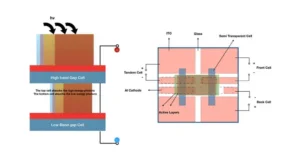
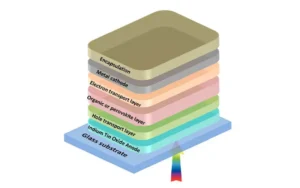
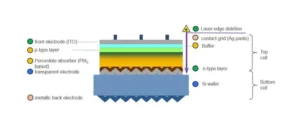
Traditional single-junction solar cells have served us well in harnessing sunlight and converting it into electricity, but they have limitations. To overcome these limitations and boost solar efficiency, researchers have turned to tandem solar cells. Tandem solar cells are constructed using multiple layers of semiconductors, each with its unique bandgap to capture different wavelengths of light. This multi-junction approach allows them to harvest a broader range of the solar spectrum, significantly increasing energy conversion efficiency.

Efficiency Breakthroughs:

One of the primary advantages of tandem solar cells is their unprecedented efficiency gains. By stacking different semiconductor materials with varying bandgaps on top of each other, these cells can achieve efficiencies beyond the limits of single-junction cells. Tandem solar cells have already surpassed an efficiency mark in research laboratories, making them an appealing option for commercial and residential solar applications.

Perovskite-Silicon Tandem Solar Cells:

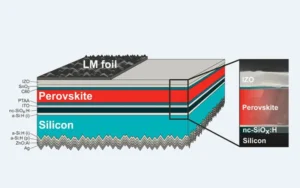
Perovskite solar cells have attracted significant attention due to their low-cost manufacturing and remarkable light-absorption capabilities. Combining perovskite with traditional silicon solar cells has emerged as a promising approach. Silicon captures the red and infrared light, while perovskite captures the blue and green light, creating a complementary effect. The resulting tandem cell demonstrates impressive efficiency improvements, showing great potential for large-scale deployment.

Tandem Solar Cells in Space Technology:

The unique ability of tandem solar cells to capture a wide range of light wavelengths makes them ideal for space applications. Solar cells used on satellites and spacecraft often face a challenging environment with varying light conditions. Tandem solar cells can provide a more stable and consistent power output, ensuring the reliable operation of space missions and reducing the size and weight of solar panels.

Manufacturing Challenges and Progress:

Mass production of tandem solar cells presents several technical challenges. Manufacturing processes must be optimized to ensure precise layering and minimize defects in the stacked semiconductor materials. Additionally, issues like material compatibility, durability, and cost-effectiveness must be addressed. However, researchers and industry leaders have made significant progress in scaling up production and improving the stability of tandem solar cells, paving the way for commercial adoption.

Advancements in Tandem Cell Materials:

Efforts to enhance the performance of tandem solar cells continue through the discovery and implementation of novel materials. New semiconductor materials and perovskite compositions are constantly being explored to push the efficiency boundaries further. These advancements hold great promise for even higher conversion efficiencies and wider practical applications of tandem solar cells.

Implications for Renewable Energy:

The rise of tandem solar cells marks a significant step forward in the renewable energy sector. With their superior efficiency, this technology can enable the production of more electricity with fewer solar panels, reducing the overall cost of solar energy systems. As we transition towards a sustainable and green future, tandem solar cells could play a pivotal role in meeting the world’s growing energy demands.

Tandem solar cells are a beacon of hope for the solar energy industry, promising unparalleled efficiency and advancements in renewable energy generation. With continuous research and innovation, these multi-junction wonders have the potential to transform our world, making solar power more accessible and sustainable than ever before.

solar-connect-august

Welcome to Solar Connect!

Triumph of Chandrayaan-3: The Unsung Heroes – Solar Panels in Lunar Exploration

In the realm of space investigation, significant progress has graced the passage of time, with each mission making strides beyond the boundaries of human understanding. Within this panorama, the Indian lunar exploration venture, Chandrayaan-3 , emerges as a symbol of the nation’s resolute commitment to unraveling the enigmas of the universe. Amidst the amalgam of elements contributing to the victory of such ambitious missions, there exists an uncelebrated protagonist: solar panels . This composition delves into the profound significance of solar panels in facilitating the victorious odyssey of Chandrayaan-3.

Solar Panels in Space Exploration

In the emptiness of space, where regular power sources are restricted, a creative remedy was necessary to support the energy-hungry functions of spacecraft. This is where solar panels step in. Unlike the ones we use on Earth, solar panels designed for space are built to trap sunlight and change it into electricity. This creates a dependable power supply that keeps the spacecraft functioning and alive.

Solar Energy and Gentle Touchdown of Chandrayaan-3

According to the Indian Space Research Organisation (ISRO), they have strategically scheduled the gentle landing of Chandrayaan-3 to coincide with periods of sunlight. This choice stems from the installation of solar panels on the lander itself. S Somanath, the head of ISRO, elaborated that these additional solar panels have been incorporated to ensure a continuous power supply for the lander, regardless of its landing orientation.

The significance of sunlight in this endeavor cannot be overstated. Hence, the decision to time the landing with daylight hours. This timing is crucial to allow the solar panels to recharge effectively, thereby enabling the rover to carry out its explorations without interruption.

The Enduring Link Between Solar Power and Chandrayaan-3

The connection between solar power and Chandrayaan-3 goes even deeper. The spacecraft began its 42-day journey on July 14th at 2:35 pm, with the landing date chosen based on the moon’s sunrise time.

Now that Chandrayaan-3 has successfully landed, there is excitement about how the solar panels will contribute to understanding more about our Sun’s companion, the moon. These panels have been strategically positioned to capture the ample solar energy present in space. This energy has the potential to supply power to the spacecraft’s various systems and instruments. This continuous energy source will not only maintain the spacecraft’s functions but also support its scientific investigations.

As Chandrayaan-3 sets off on its space adventure, we should remember the unsung champions that make its journey possible: the solar panels the solar panels. These humble tools symbolize the blend of advanced technology and human dreams. They give energy to the spacecraft, run its functions, and help us get closer to uncovering the Moon’s secrets. In a time when space exploration is reaching new frontiers, solar panels stand as a symbol of creativity, guiding the way to Chandrayaan-3’s triumph and the upcoming missions that will trail behind.

Welcome to the August edition of the PIXON- Solar Connect newsletter. As summer heats up, so does the excitement at PIXON! From important partnerships to celebrations and remarkable installations, we’ve got a lot to share with you this month.

Industrial Excursion at PIXON

We were delighted to welcome a group of bright minds from Marwadi University to our PIXON Factory. The students had the unique opportunity to witness the journey of solar panels from raw materials to the final product. It was an insightful experience that sparked curiosity and enthusiasm for sustainable energy solutions.

A Powerful Partnership

We’re thrilled to announce our collaboration with Munich RE as our official warranty partner for solar modules. This strategic alliance ensures enhanced warranty protection for our customers, providing added peace of mind and reinforcing our commitment to quality and durability.

Celebrating the Spirit of Nation

At PIXON, we believe in celebrating not just technological advancements but also the spirit of our nation. This 15th August, our team came together to honor India’s independence with a flag hoisting ceremony and inspirational speeches. It’s a reminder that our journey towards a sustainable future is also a tribute to the progress we’ve made as a nation.

Showcasing Excellence

We take immense pride in our recent installation of a breathtaking solar setup at a villa that exemplifies luxury and sustainability. With a capacity of 31.68 kW, this installation is a testament to PIXON’s dedication to transforming spaces into eco-friendly powerhouses.

Gear Up for the Festivities

As we approach the festive season, we’re gearing up to celebrate Ganesh Chaturthi with fervor. Stay tuned for updates on how PIXON plans to integrate solar energy into the festivities, making it an occasion that shines bright both spiritually and environmentally.

Stay connected with us as we continue to light up lives with solar energy. Together, we’re shaping a greener and more sustainable future.

Solar Panel Key Components: Exploring the Building Blocks of Solar Energy

Solar Panel Key Components: Exploring the Building Blocks of Solar Energy

Solar Inverters: Empowering Solar Energy Conversion for Homes and Businesses

Welcome to our latest technical newsletter- Solar Progress! In this edition, we will delve into the fascinating world of solar modules and explore the materials and components that make up these essential components of solar energy systems. So, let’s uncover the secrets behind solar module construction!

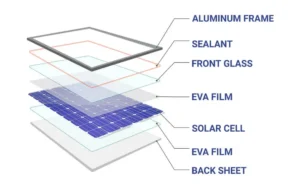
Solar modules, also known as solar panels, are devices that convert sunlight into electricity through the photovoltaic effect. They are a key component of solar power systems and play a vital role in harnessing renewable energy. Understanding their composition will help us appreciate the engineering marvel behind solar energy generation.

Photovoltaic (PV) Cells:

At the heart of every solar module lies the photovoltaic cell, which is responsible for converting sunlight into electricity. PV cells are typically made of semiconductor materials, most commonly crystalline silicon. Silicon is abundant and possesses the necessary electrical properties to enable efficient energy conversion. Within the PV cell, the silicon is doped with impurities to create a positive and negative charge imbalance, facilitating the movement of electrons when sunlight interacts with the cell.

Highly Transparent Tempered Front Glass:

The front surface of a solar module is covered with a durable and transparent material, often tempered glass. This glass protects the PV cells from external elements, such as moisture and physical damage, while allowing sunlight to pass through

Encapsulant EVA Film and Insulating Backsheet:

To safeguard the delicate PV cells from environmental factors, a layer of encapsulant material is applied. Ethylene-vinyl acetate (EVA) is commonly used as an encapsulant due to its excellent light transmittance, adhesion properties, and resistance to ultraviolet (UV) radiation. The encapsulant also helps in providing electrical insulation.

The backsheet, located on the rear side of the module, acts as a barrier against moisture and provides electrical insulation. It is typically made of a polymer-based material, such as polyvinyl fluoride (PVF) or polyester.

Frame and Junction Box:

To support and protect the solar module, a frame is constructed around the edges. The frame is typically made of aluminum due to its lightweight nature, corrosion resistance, and structural strength.

The junction box, usually located on the rear side of the module, contains electrical components such as bypass diodes and wiring connections. It plays a crucial role in facilitating the interconnection of multiple solar modules to form an array and enables the efficient flow of electricity.

Interconnecting Wires:

Inside the module, interconnecting wires establish electrical connections between individual PV cells. These wires are designed to withstand environmental conditions and electrical currents generated by the cells.

By combining these components in a precise manner, solar module manufacturers create robust and efficient devices capable of harnessing sunlight to produce electricity.

It is worth noting that there are variations in solar module design and materials used across different technologies, such as monocrystalline silicon, polycrystalline silicon, and thin-film solar modules. Each technology has its own advantages and considerations when it comes to material composition and manufacturing processes.

Solar modules continue to evolve as researchers explore innovative materials and engineering techniques to enhance efficiency, durability, and cost-effectiveness. The ongoing advancements in the field promise a bright future for solar energy as a clean and sustainable power source.

We hope this newsletter has provided you with valuable insights into the composition of solar modules. As always, we encourage you to stay curious and keep exploring the ever-evolving world of renewable energy.

Solar Connect July

Welcome to Solar Connect!

In the quest for sustainable and renewable energy sources, solar power stands out as a leading contender. Harnessing the abundant energy from the sun has become a significant global endeavor. However, not all solar installations are created equal, and the presence of trees around solar panels can have a substantial impact on their energy production. We’ll delve into the relationship between trees and solar production, exploring both the benefits and challenges they present.

The Solar-Trees Dynamic

While both solar panels and trees rely on sunlight to function, they have conflicting needs. Solar panels require unobstructed access to direct sunlight to operate efficiently, while trees compete for sunlight in their quest to grow and thrive. As such, the presence of trees near solar panels introduces a delicate balancing act between clean energy generation and maintaining the ecological benefits of trees.

Benefits of Trees on Solar Production

Shade and Cooling

Trees can provide essential shading for solar panels, helping to mitigate temperature fluctuations and reducing the risk of overheating. In some cases, this can even improve the efficiency and lifespan of the panels.

Biodiversity and Ecosystem Services

Solar farms can transform into environmentally friendly spaces when combined with tree planting initiatives. Trees promote biodiversity, foster natural habitats for wildlife, and provide valuable ecosystem services like carbon sequestration and air purification.

Aesthetic Appeal

Solar installations integrated with well-planned landscaping featuring trees can blend more harmoniously into the surrounding environment, gaining support and acceptance from local communities.

Challenges Trees Pose to Solar Production

Shading Impact

While providing shade can be beneficial, excessive shading from overgrown trees can significantly reduce solar output, potentially offsetting the gains made from their environmental advantages.

Leaf Debris and Maintenance

Trees shed leaves and branches, which can accumulate on solar panels, obstructing sunlight and necessitating frequent cleaning and maintenance efforts.

Root Intrusion

Tree roots can extend and potentially damage the infrastructure supporting solar panels, leading to safety and maintenance concerns.

In the pursuit of a sustainable future, solar energy plays a crucial role. Understanding the intricate relationship between trees and solar production allows us to optimize clean energy generation while preserving the invaluable contributions of trees to our environment. By implementing thoughtful strategies, we can strike the right balance, harnessing the power of both solar panels and trees to create a greener and more sustainable world.

News Flash

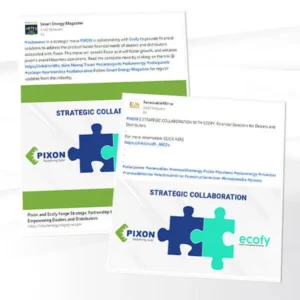
  • Smart Energy, a prominent magazine, recently featured an article about PIXON’s collaboration with Ecofy. The partnership aims to offer financial solutions tailored to address the specific product-based financial requirements of dealers and distributors associated with Pixon. To access the full news, kindly click on the provided link: https://www.linkedin.com/feed/update/urn:li:activity:7086692266836160512/
  • In yet another prominent renewable mirror magazine, the collaboration between PIXON and Ecofy has been featured. Together, they are set to revolutionize the financial landscape, offering innovative solutions that will empower businesses like never before. To access the full news, kindly click on the provided link: https://www.linkedin.com/feed/update/urn:li:activity:7085924394430005248/

An Insightful Visit

MSB Educational Institute, Rajkot students venture into the world of innovation and technology during their enlightening Industrial Visit to PIXON factory. Witnessing cutting-edge manufacturing processes and meeting industry experts, they gain invaluable insights into the art of precision engineering and the future of industrial automation.

Solar Progress Solar Inverter

Solar Progress- Solar Inverter

Solar Inverters: Empowering Solar Energy Conversion for Homes and Businesses

Solar energy has emerged as a promising renewable resource, offering a clean and sustainable alternative to traditional power sources. To harness the full potential of solar energy, photovoltaic (PV) panels are used to convert sunlight into direct current (DC) electricity. However, since most homes and businesses operate on alternating current (AC), solar inverters play a pivotal role in bridging the gap by converting DC power into usable AC power. In this article, we delve into the importance of solar inverters and explore different types of inverters.

The Importance of Solar Inverters

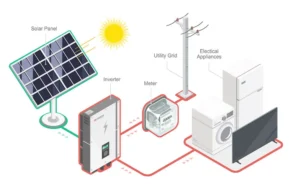
Solar inverters serve as the essential link between solar panels and the electrical grid. They perform two critical functions: converting DC power to AC power and managing the flow of electricity. Here are a few reasons why solar inverters are of utmost importance in solar energy systems:

AC Power Conversion : Solar panels generate DC electricity, which is unsuitable for most appliances and equipment. Solar inverters transform this DC power into the AC power required by homes and businesses, enabling seamless integration with the existing electrical infrastructure.

Grid Connection : Solar inverters facilitate the connection of solar energy systems to the electrical grid. By feeding excess energy into the grid, solar owners can earn credits through net metering or even receive compensation for the surplus electricity they generate.

Safety and Monitoring : Inverters ensure the safety of solar systems by monitoring performance, detecting faults, and disconnecting from the grid during power outages. This feature protects both the grid and the maintenance personnel from potential electrical hazards.

Types of Solar Inverters

Solar inverters come in various types, each with its own characteristics and applications. Let’s explore three common types: string inverters, microinverters, and power optimizers.

String Inverters

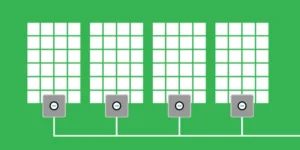
String inverters are the most common and cost-effective type of inverters. They are connected to multiple solar panels, typically arranged in a series or “string.” The DC electricity generated by the entire string of panels is channeled into the inverter, which converts it into AC power. String inverters are easy to install and maintain, making them popular for residential and small-scale commercial installations.

Microinverters

Microinverters are a distributed inverter solution where each solar panel is equipped with its own dedicated inverter. This design allows each panel to operate independently, ensuring that shading or malfunctions in one panel do not impact the overall system’s performance. Microinverters offer increased energy harvest and system monitoring capabilities, making them suitable for installations with complex shading conditions or panels with varying orientations.

Power Optimizers

Power optimizers are devices that optimize the performance of each solar panel by individually tracking and adjusting its maximum power point (MPP). Like microinverters, they are installed at the panel level, working in conjunction with a central string inverter. Power optimizers mitigate losses caused by shading or mismatched panels, improving overall system efficiency. They also offer enhanced monitoring capabilities, allowing owners to track the performance of each panel.

Solar inverters play a crucial role in converting the DC power generated by solar panels into usable AC power for homes and businesses. They enable the integration of solar energy systems with the electrical grid, facilitating energy independence, cost savings, and environmental benefits. Different types of inverters, such as string inverters, microinverters, and power optimizers, cater to diverse installation requirements, ensuring optimal performance and increased energy harvest. As solar energy continues to gain prominence, the evolution of solar inverters remains integral to harnessing its full potential and transitioning towards a sustainable future.

Solar Connect June

Welcome to Solar Connect!

Jovial June!

In India, the agricultural sector plays a crucial role in the country’s GDP. The storage and processing of harvested crops are of utmost importance, particularly when it comes to cooling fruits and vegetables to maintain their freshness and prevent rapid deterioration before transportation.

However, India faces a shortfall of over 10 million tons in cold storage facilities for agricultural produce, and energy expenses account for a significant 28% of costs in these cold storages.

A report commissioned by the Planning Commission of India, which aimed to understand the causes of post-harvest losses in key agricultural states like Uttar Pradesh and Bihar, identified the lack of reliable power supply in these regions. The report also highlighted that existing large-scale cold storage facilities located in urban centers primarily cater to potato storage. Additionally, the distance between rural producers and markets increases the risk of post-harvest deterioration.

Therefore, there is a pressing need to establish self-reliant and sustainable cold storage facilities in close proximity to agricultural fields. By doing so, transportation costs can be reduced, which would encourage more farmers to avail themselves of this facility.

The potential for renewable energy in India is significant, with an estimated capacity of over 245 GW, including more than 100 GW from solar energy alone. This vast potential encompasses various forms of renewable energy. By embracing renewable energy sources, sectors like food storage/cold chain can enhance their energy security. The technological and economic advancements in renewable energy have made it a viable alternative to grid power, allowing its deployment even in remote areas at a competitive price and on a large scale.

A Story of a Solar-Powered Village

We are excited to share the success story of Odhuntatrai village, a shining example of harnessing solar energy for sustainable development. With the installation of a solar power plant, this rural community has become self-sufficient in meeting its energy needs. The solar panels not only power the village’s homes and businesses but also contribute to reducing carbon emissions. Odhuntatrai village serves as an inspiring model for other communities looking to embrace clean and renewable energy sources.

Embracing a Sustainable Future

In celebration of World Environment Day, we joined hands with global citizens to raise awareness about the importance of protecting our planet. Our aim is to inspire individuals and communities to take action towards building a sustainable future. Together, we can make a positive impact on the environment and combat climate change.

Media Affair!

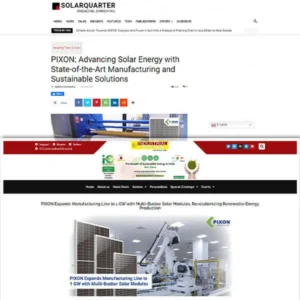
We are delighted to announce that our efforts in the solar industry have been recognized by leading publications. PIXON has been featured in both Industry Outlook and Solar Quarter magazines. These platforms have highlighted our innovative projects, commitment to renewable energy, and contributions towards a greener world. We are grateful for the recognition and remain dedicated to pushing the boundaries of solar technology.

Empowering Solar Dealers with Financial Solutions

PIXON is proud to announce its partnership with Ecofy, a renowned financial provider in the renewable energy sector. This collaboration aims to support and empower solar dealers by offering tailored financial solutions. By working together, we can facilitate easier access to funding, streamline operations, and accelerate the adoption of solar energy solutions. We are excited about the opportunities this collaboration brings for the solar industry as a whole.

Finding Balance between Inner Peace and Well-being

In honor of International Yoga Day, PIXON organized a special event to promote the harmonious connection of holistic well-being. We conducted yoga sessions at our Parent Company- MSFL encouraging participants to embrace a healthy and sustainable lifestyle. We aimed to inspire individuals to lead balanced lives while nurturing the environment.

Pushing Boundaries in Solar Technology

We are thrilled to announce the successful completion of a remarkable solar power project at ORB Greentech Pvt Ltd. Our team collaborated with ORB Greentech to install a state-of-the-art 1.2 MW Poly Non-DCR solar power plant. This venture showcases our commitment to delivering cutting-edge solutions and expanding India’s solar capacity. The power plant will generate clean electricity, reducing the company’s carbon footprint and contributing to a sustainable future.

All about Solar EVA Film

All about Solar EVA Film

Encapsulating the Future of Solar Energy

Solar EVA (Ethylene Vinyl Acetate) film is a type of polymer film that is widely used in the solar energy industry. This film is used as a bonding agent between the solar cells and the backsheet or glass of the solar panel. It is a critical component of solar panels, and without it, the solar panels would not be able to function effectively.

In this article, we will explore what Solar EVA film is, how it works, its advantages, and its applications in solar energy.

What is Solar EVA Film?

Solar EVA film is a high-quality, durable, and transparent polymer that is used in the construction of solar panels. It is a combination of ethylene and vinyl acetate. The film is manufactured in a variety of thicknesses, ranging from 0.3 to 0.8 mm, and its transparency allows for maximum sunlight absorption by the solar cells.

How Does Solar EVA Film Work?

The primary function of Solar EVA film is to encapsulate the solar cells within the panel. It acts as a protective layer against environmental factors such as moisture, dust, and UV radiation. The film is also responsible for providing insulation and preventing electrical discharge between the cells.

When sunlight falls on a solar panel, it passes through the Solar EVA film and reaches the solar cells. These cells convert the sunlight into electricity, which is then used to power various devices or stored in batteries. The Solar EVA film helps to maintain the efficiency of the solar cells by preventing any damage or loss of electrical output due to environmental factors.

Advantages of Solar EVA Film

The following are some of the advantages of Solar EVA film:

High Durability

Solar EVA film is highly durable and can withstand extreme weather conditions, such as hailstorms, high winds, and heavy rains.

Reduces Cell to module losses

Its high transparency reduces the CTM losses.

Long-lasting

The film helps solar panels to be lost for 30 years by preventing energy

loss due to environmental factors such as moisture, dust, and UV radiation.

Low Cost

Solar EVA film is a cost-effective solution for encapsulating solar cells, making it an affordable option for solar panel manufacturers.

Easy to Install

The film is easy to install and can be customized to fit the specific requirements of the solar panel.

Versatility

Solar EVA film can be manufactured in a variety of thicknesses, colors, and sizes, making it a versatile material for solar panel manufacturers.

Applications of Solar EVA Film

Solar EVA film is widely used in the solar energy industry to manufacture solar panels. It is also used in the manufacturing of laminated glass for building construction, automotive, and aerospace industries.

In the construction industry, Solar EVA film is used as an interlayer in laminated glass to provide insulation and reduce solar heat gain. It also helps to improve the safety and security of the building by preventing glass breakage and reducing the risk of injury.

In the automotive industry, Solar EVA film is used as a safety interlayer in laminated windshields, providing improved visibility and protection against UV radiation. It also helps to reduce the risk of injury during accidents by preventing glass breakage.

In the aerospace industry, Solar EVA film is used as an insulation material in spacecraft to protect against extreme temperature variations and radiation.

Conclusion

Solar EVA film is a crucial component in the manufacturing of solar panels. Its ability to protect and encapsulate solar cells is vital for the efficiency and durability of the panels. It is a cost-effective and versatile material that has applications in various industries. With the increasing demand for renewable energy, Solar EVA film will continue to play a significant role in the development of solar technology.

Solar Connect May

Bringing you the latest updates in the world of solar energy

Do you know which regions or countries have implemented agrivoltaic farming practices?

For instance, in South Korea, researchers have successfully cultivated broccoli beneath photovoltaic panels. These panels are strategically placed at a height of 2-3 meters above the ground, inclined at a 30-degree angle. This arrangement not only provides shade but also shields the crops from inclement weather conditions.

According to a study conducted by researchers at Chonnam National University, the quality and taste of broccoli grown in agrivoltaic systems were found to be comparable to those cultivated through traditional farming methods. Furthermore, the researchers observed that the broccoli grown under the photovoltaic panels exhibited a richer and more vibrant shade of green, which enhanced its visual appeal for consumers. In other regions, such as East Africa, the implementation of agrivoltaic systems has enabled farmers to optimize previously considered unproductive land, thereby maximizing its agricultural potential.

In Kenya, an innovative agrivoltaic farming initiative has been established, employing solar panels elevated at a considerable height above the ground and spaced apart to allow gaps in between. The strategic positioning of the panels provides valuable shade, shielding the vegetables from heat stress and minimizing water loss.

As a result, rural farmers have been empowered to cultivate a broader selection of crops with enhanced value. The project effectively harnesses the sun’s energy twice, according to the researchers, benefiting both the agricultural and renewable energy sectors simultaneously.

Agrivoltaics offers a solution to address the challenge of increasing the world’s solar energy capacity and ensuring sustainability, especially considering the projected global population growth of approximately 2 billion people over the next three decades and the scarcity of land. This approach allows us to maximize land utilization by simultaneously producing more food and expanding renewable energy sources on the same area of land.

Source: World Economic Forum

Uniting IPL Fandom and Renewable Energy Enthusiasm:

As we dive into the excitement of the IPL season, we want to engage with our audience through our social media channels. Stay tuned for captivating content related to solar energy intertwined with the spirit of cricket. Join the conversation and support your favorite team while learning about the immense potential of solar power.

Embracing Mother Earth:

In the month of May, we celebrated Mother’s Day and expressed our gratitude to all the amazing mothers out there. We also highlighted the importance of sustainable living and how solar energy can contribute to a greener future for generations to come. Let’s continue to honor and support our Mother Earth.

Connecting Solar Energy to Our Roots:

On the occasion of Gujarat Day, we paid tribute to the rich culture and heritage of Gujarat while emphasizing the state’s remarkable achievements in solar energy. Gujarat has emerged as a leader in renewable energy, and we explored the initiatives taken to harness the power of the sun in this progressive state.

Currency Withdrawal:

In recent news, the government announced the withdrawal of the 2000 rupee note from circulation. This decision aims to streamline currency operations and foster digital transactions. As an organization dedicated to innovation and progress.

A Sustainable Collaboration:

We are excited to share that LG Haria School has recently installed a solar power plant in collaboration with PIXON. This initiative will enable the school to reduce its carbon footprint and generate clean energy for its operations. We applaud LG Haria School for taking this eco-friendly step towards a brighter future.

Powering 1100+ Homes with Solar

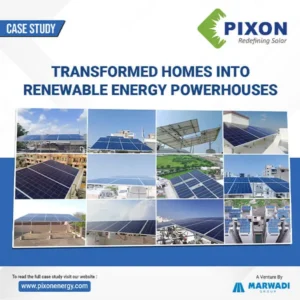
In this edition, we showcase a remarkable residential case study where solar energy has transformed the lives of over 1100 homes. Learn about the installation process, the benefits experienced by the residents, and the positive impact on the environment. This inspiring success story demonstrates the immense potential of solar power in meeting our energy needs sustainably.

A Strategic Collaboration for our Dealers & Distributors!
PIXON is delighted to announce a groundbreaking collaboration with Ecofy, a renowned financial services platform. The collaboration aims to address the financial product-based needs of dealers and distributors associated with PIXON, providing them with an all-in-one platform to enhance their financial capabilities.

Paving our way to Western Region!

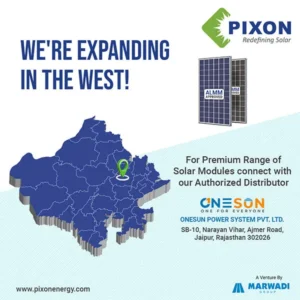
We are delighted to announce that One Sun has joined us as a distributor in Rajasthan. With their extensive network and commitment to renewable energy, One Sun will play a crucial role in making our solar solutions more accessible to customers across the region. We look forward to a fruitful partnership that will further advance the solar revolution.

Stay tuned for more exciting updates, innovative technologies, and inspiring stories in the next edition of Solar Connect!