Welcome to our technical newsletter- Solar Progress.

Welcome to our technical newsletter- Solar Progress.

Solar EPC (Engineering, Procurement, and Construction) Solutions. In this newsletter, we will explore the latest trends and developments in the solar EPC industry and discuss some of the challenges and solutions.

First, let’s define what we mean by Solar EPC. EPC stands for Engineering, Procurement, and Construction. In the context of solar, EPC refers to a turnkey solution that includes the design, procurement, and construction of a solar power plant. The EPC contractor is responsible for all aspects of the project, from site selection to commissioning.

As the demand for solar energy grows, so does the need for efficient and reliable solar EPC solutions. EPC companies are responsible for designing, building, and commissioning solar power plants, ensuring that they operate at maximum efficiency and generate the expected output. In this regard, EPC companies play a critical role in the solar energy value chain, and their services are in high demand.

Types of Solar EPC Solutions:

Ground-Mounted Solar Plants

These are large solar power plants that are typically installed on open land. Ground-mounted solar plants are more efficient than rooftop solar systems because they can be designed to optimize the orientation and angle of the solar panels.

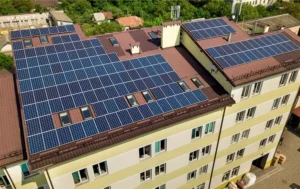
Rooftop Solar Systems

These are solar panels installed on the roof of a building. Rooftop solar systems are ideal for commercial and industrial buildings that have large, flat roofs. They can also be installed on residential buildings.

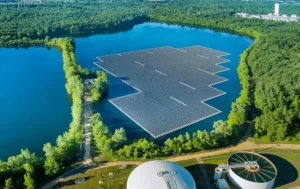
Floating Solar Plants

These are solar panels installed on water bodies, such as lakes or reservoirs. Floating solar plants are gaining popularity because they can help to reduce evaporation from water bodies and provide shade to aquatic life.

Challenges:

One of the biggest challenges faced by EPC companies is the need to reduce costs while maintaining quality and efficiency. To address this challenge, many EPC companies are turning to advanced technologies such as automation, artificial intelligence (AI), and machine learning. These technologies can help EPC companies optimize their processes, reduce costs, and improve project outcomes.

Another challenge is ensuring the durability and reliability of solar panels and components. Extreme weather conditions, such as high winds and heavy rainfall, can damage solar panels and affect their performance. To address this issue, EPC companies are investing in high-quality materials and components and implementing robust quality control processes to ensure the durability and reliability of their solar projects.

Solar EPC (Engineering, Procurement, and Construction) solutions have seen significant advancements in recent years, driven by the increasing demand for clean and renewable energy.

Some of the key advances in solar EPC solutions include:

Improved solar panel technology:

Solar panel technology has seen tremendous improvements in recent years, with higher efficiency, greater durability, and lower costs. These improvements have made solar energy more accessible and affordable, which has led to a wider adoption of solar EPC solutions.

Energy storage solutions:

With the increasing popularity of solar energy, there is a growing need for energy storage solutions to address the intermittent nature of solar power. Advances in battery technology have led to the development of high-capacity and low-cost energy storage solutions that can store excess solar energy during the day and release it when needed.

Smart solar monitoring systems:

Advances in sensor technology and data analytics have led to the development of smart solar monitoring systems that can detect and diagnose issues in real-time. This helps to optimize system performance and reduce downtime.

Digital design and modeling tools:

Advances in digital design and modeling tools have made it easier to plan, design, and optimize solar EPC solutions. These tools use data analytics and machine learning to simulate different scenarios and optimize system performance.

Collaborative platforms:

Collaborative platforms that allow different stakeholders to work together more efficiently and effectively have also emerged. These platforms provide a centralized hub for communication, collaboration, and project management, which can help to streamline the EPC process and reduce costs.

Overall, the advances in solar EPC solutions have made solar energy more accessible, affordable, and reliable. As the demand for clean and renewable energy continues to grow, we can expect to see further advancements in solar EPC solutions in the coming years.

Solar EPC industry is evolving rapidly, driven by the growing demand for clean and renewable energy. EPC companies are facing various challenges but are leveraging advanced technologies, high-quality materials, and sustainable practices to overcome them. We hope you found this newsletter informative and look forward to bringing you more updates on the latest developments in the solar EPC industry.

In conclusion, solar EPC solutions are an excellent way to harness the power of the sun to generate clean energy. With advances in solar technology, these solutions are becoming more efficient and cost-effective. Whether it’s a ground-mounted solar plant, rooftop solar system, or floating solar plant, solar EPC solutions offer a sustainable energy solution for the future.

solar-connect-apr

April has been an exciting month for us at PIXON, with a lot of events and collaborations that we would like to share with you.

Cricket Fever!

As you all know, IPL fever is at an all-time high and we at PIXON have been glued to our screens cheering on our favorite teams. It has been an amazing experience for us as we have been working on some exciting creatives behind the scenes related to Cricket.

Marking a Sustainable Collaboration!

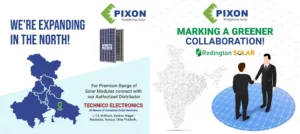
We are thrilled to announce our collaboration with Redington Solar and Technico Electronics. This partnership will help us expand our reach and provide better service to our customers. We believe that the partnership will be mutually beneficial and help us achieve our goal of providing high-quality solar products to everyone.

PIXON Takes Home Victory!

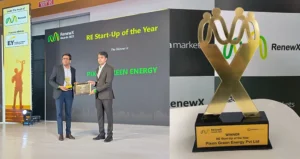
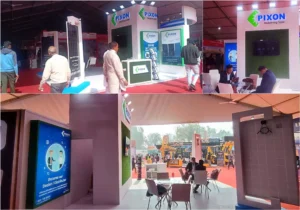
PIXON, was awarded the prestigious title of “RE Startup of the Year” at the RenewX 2023 event held in Hyderabad. This recognition was given to PIXON in acknowledgment of their innovative and sustainable approach towards addressing the energy needs of the future. PIXON’s pioneering efforts in renewable energy have been duly recognized and celebrated at RenewX 2023.

Work-Life Balanced!

As you know, at PIXON we believe in having a good work-life balance, and that’s why we organize fun activities for our team. This past month, we had a Saturday Fun Game Activity where the team got together to play some board games and have a good time. It was a great way to unwind after a busy week and get to know each other better.

Stay tuned for more updates in the coming months.

As the financial year comes to a close, PIXON, has made significant progress in its journey. The company has shown resilience and adaptability in the face of challenges posed by the global pandemic and has continued to expand its operations.

With a focus on innovation and sustainability, PIXON has successfully developed and launched new and advanced 1 GW manufacturing capacity for Multi-Busbar Modules .The company has also made efforts to enhance its supply chain and reduce its carbon footprint. Overall, PIXON’s journey so far has been marked by determination, progress, and a commitment to creating a brighter future for all.

Solar Progress Mar

What is Solar Cell?

A solar cell, also known as a photovoltaic cell, is an electronic device that converts light energy directly into electrical energy by the photovoltaic effect.

Solar cells are commonly used in solar panels, which are arrays of solar cells that work together to produce more power. They are used to generate electricity in a variety of applications, including residential and commercial buildings, remote power systems, and spacecraft.

What is Solar Cell Technology?

Solar cell technology, also known as photovoltaic technology, is a rapidly advancing field of research and development aimed at harnessing the power of the sun to generate electricity. This technology has the potential to revolutionize the way we produce and consume energy, as it is a clean and renewable source of power that can be harnessed in virtually any location.

Solar cells convert sunlight into electricity through a process called the photovoltaic effect, which involves the interaction of photons with semiconductor materials such as silicon. The increasing efficiency and decreasing costs of solar cells have made them a viable alternative to traditional fossil fuels, and they are now being deployed on a large scale in many parts of the world.
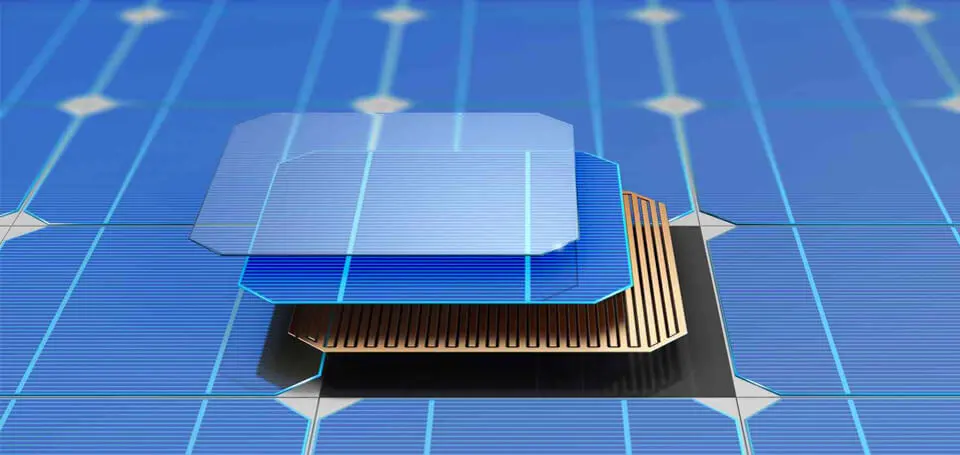
In this context, it is important to understand the basic principles behind solar cell technology, its various applications, and its potential to transform our energy landscape. Each type of solar cell technology has its own unique set of advantages and disadvantages, and the choice of which one to use will depend on various factors such as cost, efficiency, and application.

There are several types of solar cell technologies, each with its own unique features, advantages, and disadvantages. Here are some of the most common types:

What is PERC solar cell technology?

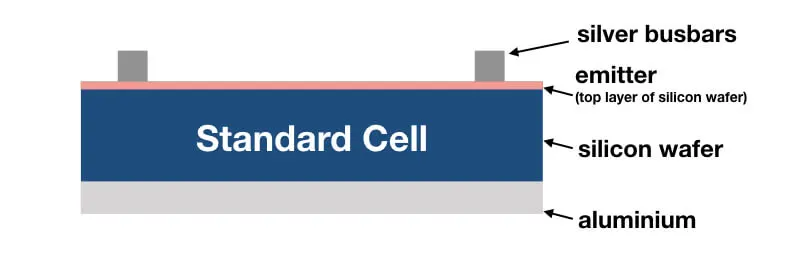
There are many kinds of solar panel technologies for customers to choose from. “Passivated Emitter and Rear Contact” solar cells, known as PERC solar cells, are becoming more common today as an option for making solar panels. PERC solar cells are modified conventional cells that enable the cells to produce 6 to 12 percent more energy than conventional solar panels. PERC solar cells have an extra layer within the back side of the cell. This allows some of the sun’s rays to reflect back into the solar cell, giving them another opportunity to be turned into energy.

Since PERC solar cells are a modification of conventional cells, they can be manufactured using the same equipment. This makes it easy for manufacturers to change and produce the higher efficient cells. With the higher efficient cells, it will take fewer panels to produce the same amount of electricity when compared to a conventional panel.
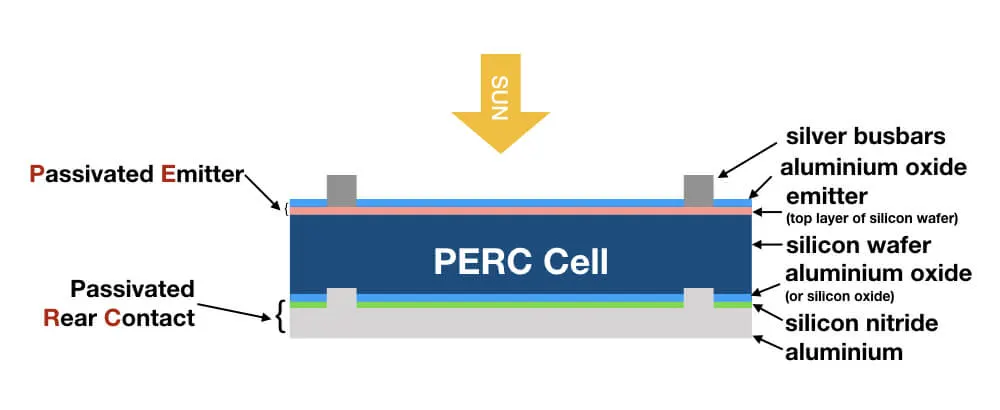
However, this modification creates a vulnerability within the technology. Most PERC solar panels have metal strips or ribbons running through them. If these strips crack or disconnect, they are more likely to lose the ability to generate electricity. PERC panels, in Performance can generate 35% more energy over 25 years in the same space compared to other PERC panels.*

Reducing electron recombination

– electron recombination blocks the free flow of electrons through the cell, reducing efficiency. The extra passivation layer makes the flow of electrons more steady and consistent thereby producing additional electric current.

Reflecting specific wavelengths that normally generate heat out of the solar cells

– certain wavelengths are absorbed by the rear layer of the solar cell accumulating heat and reducing efficiency. The additional passivation layer reflects these wavelengths out of the solar cell maintaining the temperature of the solar cell.

What Is Heterojunction Solar?

Heterojunction technology (HJT) is a solar panel production method that has been on the rise since last decade. It is currently the solar industry’s most effective process for increasing efficiency and power output to the highest levels. It even surpasses the performance of PERC, the solar industry’s current go-to technology.

Today, HJT modules can reach efficiencies of up to 25%.
How does HJT work?

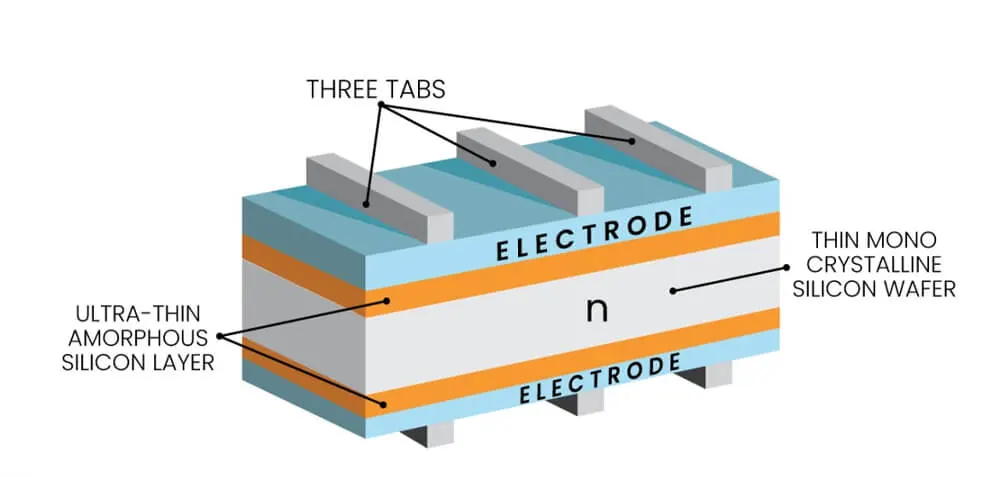
Heterojunction solar panels are composed of three layers of photovoltaic material. HJT cells combine two different technologies into one: crystalline silicon and amorphous “thin-film” silicon.

The top layer of amorphous silicon catches sunlight before it hits the crystalline layer, as well as light that reflects off the below layers. However, monocrystalline silicon, the middle layer, is responsible for turning most of the sunlight into electricity. Lastly, behind the crystalline silicon is another amorphous thin-film silicon layer. This final layer captures the remaining photons that surpass the first two layers.

Using these technologies together allows more energy to be harvested as opposed to using them individually, reaching efficiencies of 25% or higher.

Advantages of Heterojunction Solar Cells

Here are a few key advantages of using HJT solar cells for your building:

Higher efficiency

– Most HJT panels that are currently on the market have efficiencies ranging from 19.9%–21.7%. This is a massive improvement compared to other conventional monocrystalline cells.

Resilience and adaptability

– This technology was developed for excellent production capabilities, even in extreme weather conditions. HJT panels have lower temperature coefficient than conventional solar panels, ensuring high performance at elevated external temperatures.

Cost savings

– The amorphous silicon used in HJT panels is a cost-effective photovoltaic technology. This thin-film solar requires shorter manufacturing compared to other technologies. Because of its simplified manufacturing process, HJT has the potential to be more affordable than alternative solutions.

Life expectancy

– On average, thin-film photovoltaic modules have a life expectancy of up to 25 years, while HJT solar cells can remain fully functioning well over 30 years.

The Future of HJT Solar

Given the several advantages of HJT solutions, it is likely that more companies will continue to adopt this technology in the near future. Because the HJT manufacturing process requires four fewer steps than PERC technology, there is potential for significant cost savings. While PERC has been a popular option in the industry for many years, its complex manufacturing process cannot compete with HJT. In addition, PERC does not offer HJT’s high temperature performance benefit.

According to the ITRPV 2019 report, HJT cells are expected to gain a market share of 12% by 2026 and 15% in 2029.

What is a TOPCON solar cell?

TOPCON (also known as passivated contact) solar cell, is touted as the next generation of solar cell technology after PERC. This novel architecture is introduced by researchers at Fraunhofer Institute for Solar Energy Systems in Germany in 2013.

Compared to the other potential new technologies, such as HJT and IBC, TOPCON can be upgraded from the current PERC or PERT line. As a result, lower capital investment is needed for existing PERC or PERT manufacturers who are looking to upgrade their existing production lines. Moreover, a good gain in solar cell efficiency can also be achieved. This is ~1% in absolute value as reported in TOPCON is the acronym for “Tunnel Oxide Passivated Contact”. Figure 1 show this cell architecture as compared to a n-PERT solar cell.
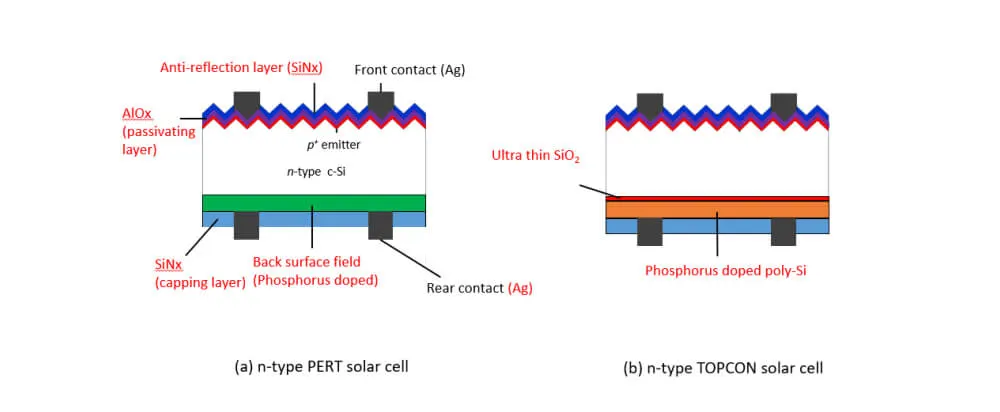
Figure 1. n-PERT compared to n-TOPCON solar cell architectures

As shown in the figure, n-PERT and n-TOPCON are quite similar. Typically, to upgrade an n-PERT solar cell to a n-TOPCON solar cell, only an additional ultra thin SiO2 layer and a doped poly-Si layer are required. The ultrathin SiO2 acts as surface passivation layer between the rear Si surface and the rear “contact” – the poly-Si layer. In addition, it also needs to be thin enough so that current can tunnel through it quantum mechanically.

The poly-Si layer is highly doped to produce a high conductivity layer. This high conductivity layer will then acts as a contact for current collection. Additionally, in a n-type TOPCON, the poly-Si layer is typically doped with phosphorus to provide field passivation (back surface field). This is similar to the phosphorus doped rear surface of n-PERT as shown in figure 1(a).

With the addition of the tunnel oxide layer, the original authors at Fraunhofer Institute for Solar Energy Systems reported an increase of ~1% in absolute solar cell efficiency [1] [2].

There are many different types of solar cell technologies on the market today. Three of the most popular are PERC, Hetrojunction HJT and TopCon. Each has its own unique benefits. Here is a look at each one:

  • PERC cells are made with a Passivated Emitter Rear Cell design. This means that the rear surface of the cell is covered with a thin layer of silicon nitride which improves light absorption and reduces reflection losses. This results in higher efficiency levels than traditional cells.
  • Hetrojunction HJT cells are made with two different types of silicon, creating a heterojunction between them. This increases energy production by preventing charge recombination – meaning more electricity is produced from each photon absorbed.
  • TopCon cells use transparent conductive oxides (TCOs) to create a top contact layer on the cell surface. This allows more sunlight to be absorbed, increasing efficiency levels over traditional cells.

Aiming at the mainstream technical routes of PERC, TOPCon and Heterojunction HJT, comparisons are made from the perspectives of efficiency, cost, and craftsmanship:

1) From the perspective of efficiency:

The theoretical limit efficiency of TOPCon Cell reaches 28.7%, which is higher than 27.5% of Heterojunction HT and 24.5% of PERC. Judging from the current mass production efficiency, PERC has reached around 23%, TOPCon and HT have exceeded 24%, but there is still a certain gap from the limit efficiency, and there is more room for efficiency improvement.

2) From a process point of view:

PERC is currently the most mature, TOPCon needs to add diffusion, etching and deposition equipment to the PERC production line, and the cost increase is small; while the HJT Solar Cell process is the simplest and the least steps (the core process is only 4 steps), But basically completely replaced the PERC production line. The IBC Solar Cell process is the most difficult and complex. The need is to use ion implantation to provide the production technology threshold.

3) From a cost point of view:

PERC industrialization is the fastest and low cost, and TOPCon Solar Cell has the highest compatibility. It can be upgraded from PERC/PERT production line, followed by IBC. HJT Solar Cell is completely incompatible with existing equipment, and a new production line is required. GW investment is 250 million yuan higher than PERC and nearly 200 million yuan higher than TOPCon. There is still room for decline.

TOPCon: Extend the life cycle of PERC production line, the first choice for cost performance in the next 2-3 years.In the past two years, PERC’s newly-built production lines have reserved space for TOPCon transformation, and the current expansion plans have also shifted to the construction of N-type technology production lines. Facing the huge PERC cell production capacity at present, TOPCon and PERC cell technology and production line equipment are highly compatible.

The existing equipment of the PERC production line is mainly modified, and the main new equipment is the LPCVD/PECVD equipment and coating of amorphous silicon deposition. Equipment link.

Heterojunction HJT: There is a lot of room for localization to reduce costs, and it is expected to become the next-generation mainstream technology.

1) Double-sided power generation improves efficiency. Heterojunction HT double-sided symmetrical structure, the power generation exceeds the single-sided Solar Cell by 10%+, and the current double-sided rate has reached 95%, which has obvious advantages in power generation gains compared with other process routes

2) Low licht attenuation + low temperature coefficient, strong stability. The Heterojunction HJT Solar Cell reduces the interface recombination and improves the TCO layer and Ag contact performance through a good coating process. The degradation of HT Solar Cells is less than 3% in 10 years, and only 8% in 25 years. And the Solar Cell temperature coefficient is small, which can reduce the heat loss caused by sunlight/

3) The process flow is more simplified, and there is more room for efficiency improvement and cost reduction. Compared with PERC’s 8 processes and TOPCon’s 10 processes, Heterojunction HT can be completed in only 4 processes. It can be prepared under a low temperature environment of <250°C. Compared with traditional PN junctions prepared at a high temperature of 900°C, it is conducive to slicing and Reduce thermal damage to reduce the cost of silicon wafers, which has more advantages and room for improvement in terms of production efficiency and product vield.

4) The current production cost of Heterojunction HT Solar Cells is below 0.9 yuan/W, which is higher than the cost of PERC at 0.7 yuan/W, it is expected that in 2022, the cost of silicon and non-silicon of Heterojunction HJT Solar Cells will be reduced by 40%+ compared with the current price, which is compared with the cost-effectiveness of monocrystalline PERC Solar Cells. The advantages are expected to gradually emerge.

At present, the industry mainly starts from three aspects: silver paste, silicon wafer and equipment:

1. Silver paste cost

localization of low-temperature silver paste + silver-clad copper technology + SMBB technology, judged to jointly promote a cost reduction of more than 60%.

2. Silicon wafer cost

HJT wafers are expected to be thinner, lower costs, and improve efficiency, and the cost is expected to drop by more than 40%. Thinning is conducive to reducing the cost of silicon wafers. Heterojunction HJT cells have a symmetrical structure, which is easy to thin and does not affect efficiency. The current PERC thickness is 170um, and we expect it to drop below 130 m by 2022, which will increase Voc and further improve efficiency and reduce costs. We expect that the cost of silicon wafers will drop from 0.48 yuan/W in 2020 to 0.27 yuan/W in 2022, a reduction of over 40%:

3. Cost reduction in equipment

The current cost per GW is less than 400 million yuan, and there is still room for 40% cost reduction in the future. The Heterojunction HJT production process has ben greatly simplified. The four steps of texturing cleaning, amorphous silicon film deposition, TCO film deposition, and electrode metallization correspond to the four process equipment of texturing cleaning, PECVD, PVD/RPD, and silk screen/electroplating respectively.

In conclusion, solar cell technology has made significant strides in recent years, and it continues to be one of the most promising sources of renewable energy. Solar cells are becoming more efficient, cost-effective, and widely available, making them an attractive option for homeowners, businesses, and utilities. With continued investment and research, it is likely that solar cells will become even more efficient and accessible, helping to reduce our dependence on fossil fuels and mitigate the effects of climate change. As a clean, sustainable source of energy, solar cells offer a bright future for our planet and our society.

Solar Connect Mar

“The March Madness”

March proved to be an exceptional month for PIXON, as there were several noteworthy events and exhibitions, received prestigious awards, garnered significant media coverage, and achieved other notable milestones. Here are some of the noteworthy highlights from the previous month:

As we bid farewell to March, we take a moment to reflect on the events that took place this month. From celebrating Women’s Day to participating in Earth Hour, it has been a busy month indeed. Here’s a roundup of the events that made headlines in March.

Women’s Day

March 8th marked International Women’s Day, a day to celebrate the achievements of women around the world and raise awareness about gender equality. PIXON took this opportunity to highlight the contributions of women in our organization and reaffirm our commitment to creating a gender-inclusive workplace.
Tender Win

We are thrilled to announce that our company has won a major tender this month- from South Western Railways (320 kW). This win is a testament to the hard work and dedication of our team, and we look forward to delivering high-quality services to our new client.

Earth Hour

On March 27th, our company participated in Earth Hour, a global event that encourages individuals and organizations to turn off their lights for one hour to raise awareness about climate change. We are proud to have joined millions of people around the world in taking a small step towards a sustainable future.

National Safety Week

From March 4th to March 10th, we observed National Safety Week, a time to raise awareness about safety in the workplace and promote safe practices. We conducted various activities and training sessions for our employees to educate them on the importance of workplace safety and the measures they can take to ensure a safe working environment.

Glory Of The Financial Year:

We are thrilled to share with you our financial year success that was achieved through the hard work and dedication of our team and partners. We are grateful for the support of our dealer distributors, who played a significant role in helping us achieve our goals. Over the past year, we successfully secured several full-year tenders, which helped us strengthen our position in the market. These tenders were a testament to our commitment to quality and customer satisfaction, and we are proud to have been selected as a preferred supplier by our clients.

Moreover, we are proud to announce that we have taken steps towards environmental sustainability by saving trees. As a responsible organization, we believe it is our duty to protect the environment, and we have actively worked towards reducing our carbon footprint. Through our efforts, we have saved a significant number of trees, which is a step towards a greener and more sustainable future.

Finally, we would like to acknowledge the efforts of our team members, who worked tirelessly to ensure that we achieve our goals. Each of our team members played a critical role in our success, and we are grateful for their hard work and dedication.

In conclusion, we are proud of the success we have achieved in the past financial year, and we look forward to continued growth and success in the future. Thank you for your support, and we look forward to sharing more exciting news with you in the future.

Solar Progress Feb

Introduction

The Solar Progress

Welcome to Solar Progress!

Solar Progress – Discover Energy is a monthly newsletter by PIXON.

With Solar Progress, we are dedicated to bring you the latest updates and insights on the exciting world of solar technology. From photovoltaic panels and solar cell technology, smart grids and also innovative financing models, we cover it all. Our team of experts will keep you informed on the latest research, industry trends, and policy developments, helping you stay up-to-date on this rapidly evolving field. Whether you are a solar industry professional, a renewable energy enthusiast, or simply interested in learning more about how solar power can shape the future, we have something for you.
So join us, and let’s explore the limitless potential of solar energy together.

India

The Growth in Solar Energy Sector

India has made a significant progress in the solar energy sector in recent years. The country’s vision is to achieve Net Zero Emissions by 2070, to achieve it the missions include target to Increase the renewables capacity to 500 GW with Meeting 50% of energy requirements from renewables by Year 2030.

As of today, India is the world’s third largest producer of renewable energy.

The Indian government has implemented a number of initiatives to promote the growth of the solar energy sector, including the National Solar Mission and the Jawaharlal Nehru National Solar Mission. These initiatives have helped to make solar power more affordable and accessible, and have attracted significant investment in the sector.

In addition to government initiatives, the growth of the solar energy sector in India has also been driven by the increasing cost competitiveness of solar power compared to other forms of energy. The falling costs of solar technology have made it an increasingly attractive option for both businesses and households.

Solar Modules

The Growth and opportunity across the globe

The solar panel manufacturing industry in India has been growing in recent years, with a number of companies entering the market and expanding their production capabilities. The increasing demand for solar panels in India and around the world has fueled this growth.

India is home to a number of large solar panel manufacturers. These companies have state-of-the-art manufacturing facilities and produce a range of solar panels, including monocrystalline, polycrystalline, and thin-film panels.

In addition to traditional solar panels, there are also a number of innovative solar panel technologies being developed in India. For example, researchers at the Indian Institute of Technology Bombay have developed a new type of solar panel that is more efficient at converting sunlight into electricity. Other researchers are working on developing flexible and transparent solar panels that could be used in a variety of applications.

Overall, the solar panel manufacturing industry in India is vibrant and growing, and there are many exciting advancements and innovations on the horizon.

Solar Module Technology

Current technology and upcoming industry trends

Solar Module Technology is growing in a very fast pace.

There are several advancements and innovations in solar panel technology that are currently in development or are expected to be introduced in the near future. Some of the most promising developments includes but not limited to;

Higher efficiency Solar Modules

Researchers are working on developing solar panels that are more efficient at converting sunlight into electricity. This could lead to smaller, more compact panels that produce more power.

Higher efficiency solar panels are panels that are able to convert a higher percentage of the sunlight that they receive into electricity. There are several ways in which researchers are attempting to increase the efficiency of solar panels, including:

  • Improved materials: Scientists are working on developing new materials that can be used in solar panels to increase their efficiency. For example, researchers have developed a new type of solar cell made from perovskite, a material that is able to absorb more sunlight than traditional silicon cells.
  • Multi-junction cells: These cells are made up of multiple layers of materials, each of which is optimized to absorb a specific range of wavelengths of sunlight. By using multiple layers, these cells are able to capture more of the energy in sunlight and convert it into electricity.
  • Concentrating photovoltaics (CPV): CPV systems use lenses or mirrors to concentrate sunlight onto a small area of high-efficiency solar cells. This allows the cells to produce more power, as they are receiving more concentrated sunlight.
  • Tandem cells: These cells are made up of two or more layers of materials, each of which is optimized to absorb a different range of wavelengths of sunlight. By using multiple layers, these cells are able to capture more of the energy in sunlight and convert it into electricity.

Overall, the goal of higher efficiency solar panels is to increase the amount of electricity that can be produced from a given area of solar panels, which could lead to smaller, more compact panels that are more cost-effective to install and maintain.

Flexible and transparent panels

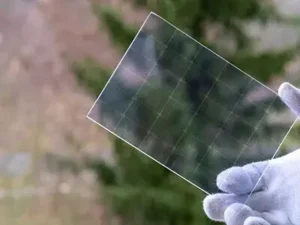
There is ongoing research into developing flexible and transparent solar panels that could be used in a variety of applications, such as on windows or on portable devices.

  • On windows: Flexible and transparent solar panels could be used on windows to generate electricity from sunlight. This could allow buildings to generate their own power and reduce their reliance on the grid.
  • On portable devices: Flexible solar panels could be used to power portable electronic devices, such as smartphones or laptops. This could allow these devices to be charged using sunlight, eliminating the need for a separate power source.
  • On vehicles: Transparent solar panels could be used on the roofs or windows of vehicles to generate electricity while the vehicle is in motion. This could help to reduce the need for traditional fuel sources.
  • In other applications: Flexible and transparent solar panels could also be used in a variety of other applications, such as on tent roofs or as part of portable solar chargers.

There are several materials that are being researched for use in flexible and transparent solar panels, including organic materials, perovskite, and graphene. These materials have the potential to be used to create solar panels that are both flexible and transparent, or that have one of these properties.

Solar panel coatings

Researchers are also working on developing coatings for solar panels that could increase their efficiency by reducing the amount of sunlight that is reflected away.

Solar panel coatings are thin layers of material that are applied to the surface of solar panels to improve their performance. There are several ways in which solar panel coatings can be used to improve the efficiency of solar panels, including:

  • Anti-reflective coatings: These coatings are designed to reduce the amount of sunlight that is reflected away from the surface of the solar panel. By allowing more sunlight to be absorbed by the panel, these coatings can increase the amount of electricity that is produced.
  • Self-cleaning coatings: These coatings are designed to keep the surface of the solar panel free of dirt, dust, and other contaminants that can reduce its efficiency. By keeping the panel clean, these coatings can help to ensure that it is operating at maximum efficiency.
  • Heat-resistant coatings: These coatings are designed to protect the solar panel from the effects of high temperatures. By preventing the panel from overheating, these coatings can help to increase its lifespan and maintain its efficiency.
  • UV-resistant coatings: These coatings are designed to protect the solar panel from the damaging effects of ultraviolet (UV) radiation. By protecting the panel from UV radiation, these coatings can help to increase its lifespan and maintain its efficiency.

Overall, solar panel coatings can be an effective way to improve the performance of solar panels and increase their efficiency.

Three-dimensional solar panels

Some researchers are experimenting with the use of three-dimensional structures to improve the efficiency of solar panels. These structures could potentially capture more sunlight and convert it into electricity.

Three-dimensional (3D) solar panels are solar panels that are designed to capture more sunlight by using three-dimensional structures. These structures can be used to increase the surface area of the solar panel, allowing it to capture more sunlight and produce more electricity.

There are several ways in which 3D solar panels can be designed, including:

  • Using mirrors or lenses to focus sunlight onto a small area: By using mirrors or lenses to concentrate sunlight onto a small area, 3D solar panels can capture more of the energy in sunlight and convert it into electricity.
  • Using three-dimensional structures to capture more sunlight: These structures can be used to capture sunlight from different angles, allowing the solar panel to produce more electricity.
  • Using concentrators to increase the intensity of sunlight: These concentrators use lenses or mirrors to increase the intensity of sunlight on the solar panel, which can increase the amount of electricity that is produced.

Overall, 3D solar panels have the potential to be more efficient than traditional flat solar panels, as they are able to capture more sunlight and convert it into electricity. However, they can be more complex and expensive to manufacture, and further research is needed to determine their long-term performance and reliability.

Solar panel recycling

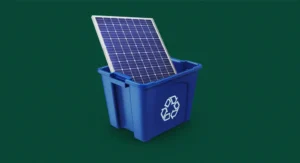
As the use of solar panels increases, there is a growing need for effective recycling methods to ensure that used panels can be repurposed or disposed of in an environmentally-friendly manner. Researchers are working on developing recycling technologies that can recover valuable materials from used solar panels.

Solar panel recycling is the process of recovering materials from used solar panels in order to reuse them in the production of new panels or other products. This is important because it can help to reduce the environmental impact of solar panels, as well as recover valuable materials that can be used again.

There are several ways in which solar panels can be recycled, including:

  • Mechanical recycling: This involves breaking the solar panel down into its component parts and separating the different materials. These materials can then be recovered and used to produce new products.
  • Chemical recycling: This involves using chemicals to break down the materials in the solar panel into their constituent parts. These parts can then be recovered and used to produce new products.
  • Thermal recycling: This involves heating the solar panel to a high temperature in order to recover the materials it is made from.

Overall, solar panel recycling is an important part of the solar industry, as it helps to reduce the environmental impact of solar panels and recover valuable materials that can be used again. As the use of solar panels continues to grow, it will be important to ensure that effective recycling methods are in place to ensure that used panels can be repurposed or disposed of in an environmentally-friendly manner.

Conclusion

Solar Module Technology

The solar industry has made significant strides in recent years in terms of improving the efficiency and performance of solar modules. From the development of multi-junction cells and advanced materials, to the use of tracking systems and concentrating photovoltaics, there are many exciting technological developments that are helping to drive the growth of solar energy. As the demand for clean, renewable energy continues to increase, it is likely that we will see even more innovative advancements in the field of solar modules in the coming years. With the help of these technologies, it is possible to reduce our reliance on fossil fuels and make the transition to a more sustainable energy future.

solar-connect-feb

Fanatical February!

With a slew of events and exhibitions, awards, media highlights, and more, February was a remarkable month for PIXON. Here are a few highlights from the previous month:

The Magnificent Showcase!

PIXON was glad to be a part of the Krishi Darshan Expo 2023 in Hisar, Haryana. The expo offered PIXON with an exceptional opportunity to network with luminaries in the solar and renewable energy industries while also discussing the future possibilities of the solar industry.

Green Energy in Limelight!

The Union Budget 2023 has recommended numerous initiatives to encourage renewable energy in India, one of which is consistency in the development of the renewable energy transition.

A Sunny Hit!

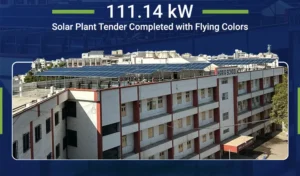
PIXON successfully installed 111.14 kW solar power plant at L.G. Haria School, Jamnagar.

Hands-on-experience at PIXON!

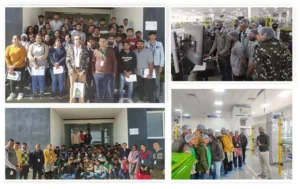
It was a joy to welcome a group of 9th-grade students from Government College, Padhadhri and Marwadi University, B.Com Students to our factory premises, where they attentively reviewed the solar manufacturing process of solar modules and pledged to contribute their bit to the future potential in the sustainable energy sector.

Rang Barse!

May the splash of colors bring joys to you and your family. Have a happy Holi 2023!

Solar Panel Recycling

As the world’s dependence on renewable energy sources increases, so does the use of solar panels. These panels are designed to capture energy from the sun and convert it into electricity, making them an essential component in the fight against climate change. However, like any other electronic device, solar panels have a lifespan and eventually need to be replaced. When this happens, it is crucial to recycle them properly to minimize their environmental impact. We will explore the importance of solar panel recycling and how it can be done efficiently.

Why Recycle Solar Panels?

Solar panels are made up of valuable materials such as silicon, aluminum, and glass, which can be extracted and repurposed for new panels. However, if not recycled correctly, these materials can have a significant environmental impact. For example, if solar panels end up in a landfill, the toxic chemicals they contain can leak into the soil and water, polluting the environment. Additionally, the manufacturing process of solar panels is energy-intensive and produces greenhouse gas emissions. By recycling solar panels, we can reduce the need for new panel production, which, in turn, reduces emissions.

The Solar Panel Recycling Process

The recycling process for solar panels involves several steps. First, the panels are collected and transported to a recycling facility. The panels are then broken down into their component parts. The glass is separated from the frame and the solar cells are removed. These cells contain valuable materials such as silicon, copper, and silver, which can be reused to make new panels. The remaining materials, such as the frame and wires, are recycled or disposed of in an environmentally friendly way.

Challenges in Solar Panel Recycling

One of the biggest challenges in solar panel recycling is the lack of standardization in panel design. Each manufacturer designs their panels differently, which makes it difficult to develop a streamlined recycling process. Additionally, the cost of recycling can be high, making it difficult for recycling facilities to turn a profit. However, as the demand for solar panel recycling increases, more efficient and cost-effective methods are being developed.

Another challenge is the lack of awareness about solar panel recycling. Many people do not realize that solar panels can be recycled and may dispose of them improperly. Educating consumers about the importance of recycling and providing them with easy ways to recycle their panels can help to overcome this challenge.

Conclusion

Solar panel recycling is crucial for reducing the environmental impact of renewable energy production. By recycling solar panels, we can minimize the amount of waste sent to landfills, reduce the need for new panel production, and conserve valuable resources. As the demand for renewable energy continues to grow, it is essential that we develop efficient and cost-effective recycling methods. By doing so, we can ensure that the benefits of solar energy are felt for generations to come.

solar-connect-jan

This newsletter summarises the significant highlights of PIXON in the preceding months as well as forecasts of future advancements and technology.

Looking ahead, PIXON has an ambitious agenda for the coming months. The company plans to continue expanding its partnerships and product offerings, with a focus on bringing solar energy to underserved communities. PIXON is also working on developing new technologies and innovations to make solar power even more efficient and cost-effective.

Overall, Solar Connect is a valuable resource for anyone interested in staying up-to-date on the latest developments in the solar energy field with PIXON. Whether you are a solar energy professional, a renewable energy enthusiast, or simply someone looking to learn more about solar technology, We have something to offer you.

A month of glitters and jitters!

January was a memorable month for PIXON, with a host of events and exhibitions, awards, media spotlights, and more. Here are just a few highlights from the past month:

“Chatt mein aisa kya hai khaas”:

In the month of January, our team created a short film called “Chatt mein aisa kya hai khaas” to educate people about the importance of solar energy and the benefits of installing it.

The quality speaks for itself:

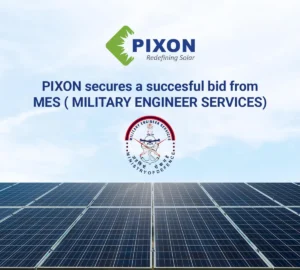
In January, PIXON was awarded a major tender to supply a 100 kW Solar power EPC project at Military Engineer Services (MES). This was a significant milestone for the company, solidifying its position as a trusted manufacturer.

Media Spotlights:

PIXON garnered significant media attention in the month of December, with feature articles in top publications and appearances in magazines. The company was also featured on several programs, highlighting its cutting-edge products and technologies.

Sports Fiesta:

PIXON’s Sports Event on account of Republic Day was a highlight of the month, with employees coming together to showoff their sports and fitness regimes. The fiesta included a range of games that includes Cricket, Basketball, Badminton, Table Tennis and many more. The winning team was rewarded in respective games, as well as there was also a special gala dinner for all employees.

Stride forward in southern & northern region:

PIXON expanded its distributor network across Southern & Northern region to stride the network base around the world. This expansion helped the company reach new markets and further solidify its position as a global leader in the solar industry.

Overall, January month was a successful and exciting month for PIXON, with numerous achievements and milestones. As the company looks to the future, it is well-positioned for continued success and growth.

What unfolds in the year 2023?

PIXON is a leading company in the solar energy industry, known for its innovative and high-quality photovoltaic products. In the coming years, PIXON is expected to make significant advancements in several areas that will revolutionize the way solar energy is generated and used.

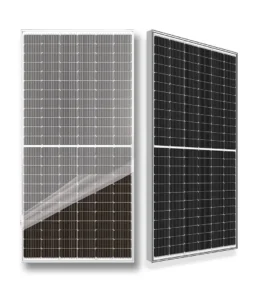
One of the most exciting developments in PIXON’s pipeline is the introduction of multibusbar modules and Polyolefin Elastomer (POE) films. These modules are designed to increase the efficieny and power output of solar panels by using advanced electrical conductors to transmit electricity more efficiently. The EVA/POE films also allow for easy integration with networking systems, enabling remote monitoring and control of the solar panels.

Another major advancement from PIXON is the development of Bifacial solar modules. These modules are capable of capturing sunlight from both sides of the panel, increasing the overall power output by up to 30%. This is a particularly useful technology for installations where the panels are mounted at a high angle or in a location with limited direct sunlight.

In addition to these innovations, PIXON is also planning to launch a 1 GW manufacturing line in the early 2023. This facility will be equipped with state-of-the-art equipment and will be capable of manufacturing high volumes of solar panels with consistent quality.

Overall, PIXON’s upcoming advancements in multibusbar modules, POE films, bifacial modules are set to significantly impact the solar energy industry and help drive the adoption of clean, renewable energy sources. These developments demonstrate PIXON’s commitment to driving innovation and excellence in the field of photovoltaics, and we can’t wait to see what they have in store for the future.

Trending Solar Innovations in the market:

Solar energy products have come a long way in recent years, with new and innovative designs being introduced to the market all the time. Here are a few of the latest solar energy products and industry news that you might be interested in:

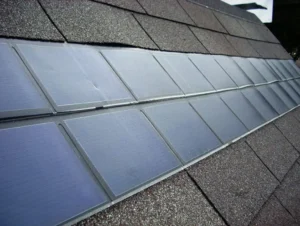
Solar panel shingles:

These are solar panels that are designed to look like traditional asphalt shingles, making them a more aesthetically pleasing option for homeowners who want to incorporate solar energy into their homes.

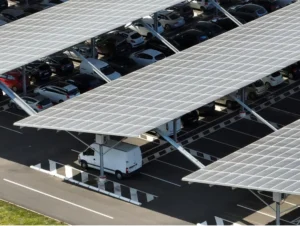
Solar-powered carports:

These are covered parking spaces that are equipped with solar panels on the roof. They not only provide protection for cars, but also generate clean energy for the home or business.

Solar-powered portable generators:

These generators are powered by solar panels, making them a clean and renewable energy source for those who need portable power in off-grid locations.

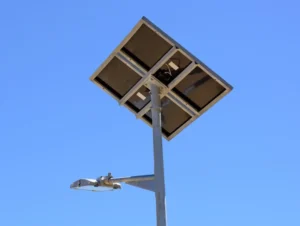
Solar-powered outdoor lighting:

There are now a variety of solar-powered outdoor lighting options available, including streetlights, security lights, and decorative lights. These products are an environmentally friendly alternative to traditional lighting options.

In terms of industry news, one of the biggest developments in the solar energy sector is the falling cost of solar panels. In recent years, the price of solar panels has dropped significantly, making them more affordable for consumers and businesses. This has led to a surge in the adoption of solar energy, with many people and organizations turning to solar as a clean and renewable energy source.

Overall, the solar energy industry is making great strides in terms of technology and affordability, making it an increasingly attractive option for those looking to reduce their carbon footprint and make the switch to renewable energy.