5 Trends Every Solar Business Should Watch in the Second Half of 2026
India’s solar story in 2026 has been one of scale. The country has continued to add capacity at a record pace, moving closer to its 500 GW non-fossil energy target for 2030, and industry analysts expect India to become the world’s second-largest annual solar market this year. But growth on this scale brings its own set of questions. Grids, supply chains, and business models are all being tested by the sheer speed of expansion. As the second half of 2026 unfolds, five trends stand out as worth watching closely for developers, EPCs, distributors, C&I businesses, and investors alike. Understanding them isn’t just useful context; it’s becoming essential to planning in a market that is maturing quickly.
Trend 1: Grid Infrastructure Becoming More Important
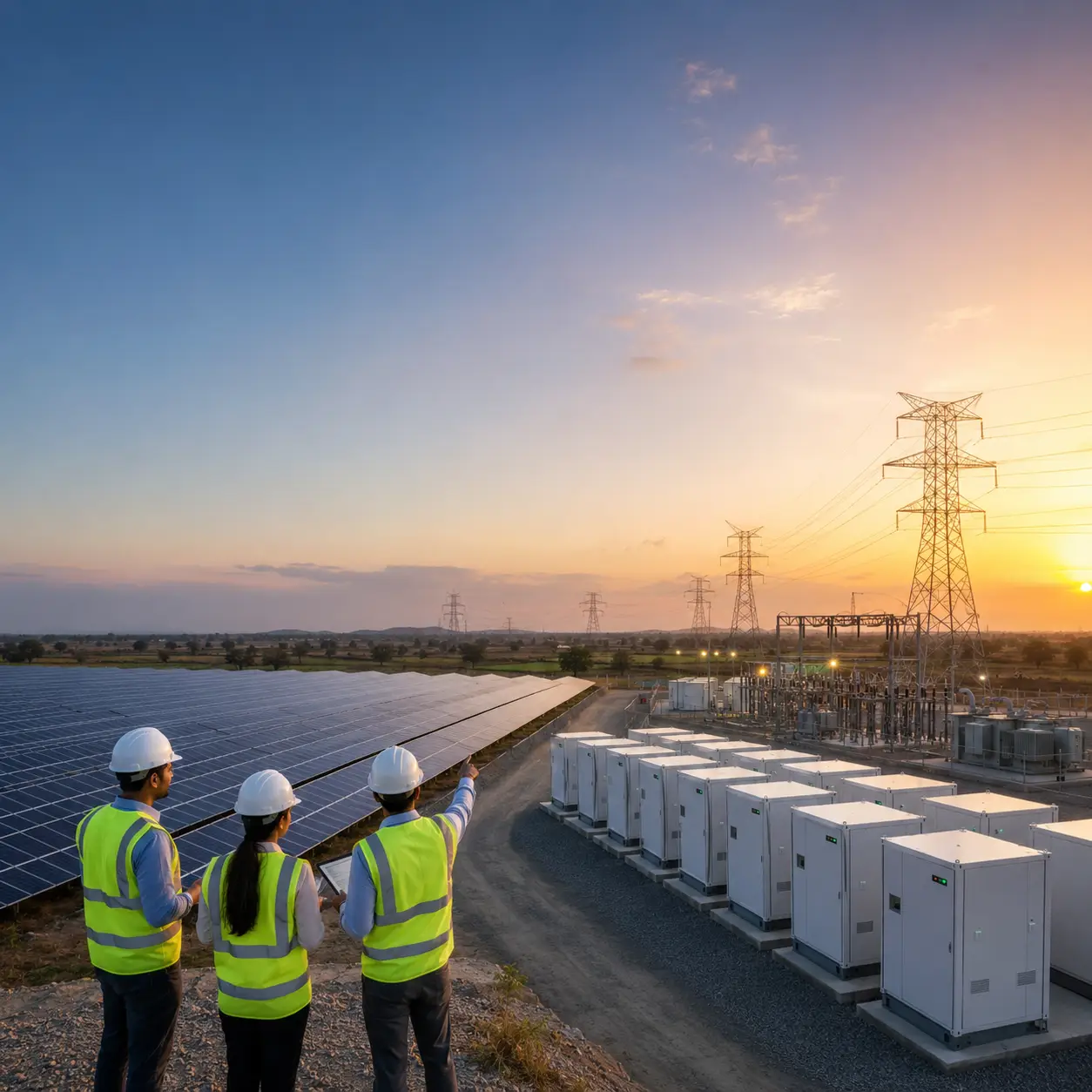
For years, the conversation around Indian solar was almost entirely about capacity addition. That conversation is shifting. As generation has outpaced the transmission network needed to carry it, curtailment has become a real and growing concern. Industry analysis has pointed to hundreds of gigawatt-hours of renewable power going unused in early 2026 due to evacuation constraints, particularly in states like Rajasthan. The core issue is timing: solar and wind projects can be built in a year or two, while transmission corridors typically take several years to plan. The Central Electricity Authority has responded with an ambitious build-out plan, but the near-term gap remains real.
For developers and EPC companies, this changes what due diligence should look like:
- Treat grid connectivity and evacuation feasibility with the same scrutiny as land and financing, not as a formality
- Favour project sites in well-connected corridors over cheaper land in constrained zones
- Consider pairing generation with storage to manage evacuation timing and reduce curtailment exposure
Projects that build this thinking in early are likely to see fewer delays and better long-term returns than those that treat grid access as an afterthought.
Trend 2: Energy Storage Becoming Essential
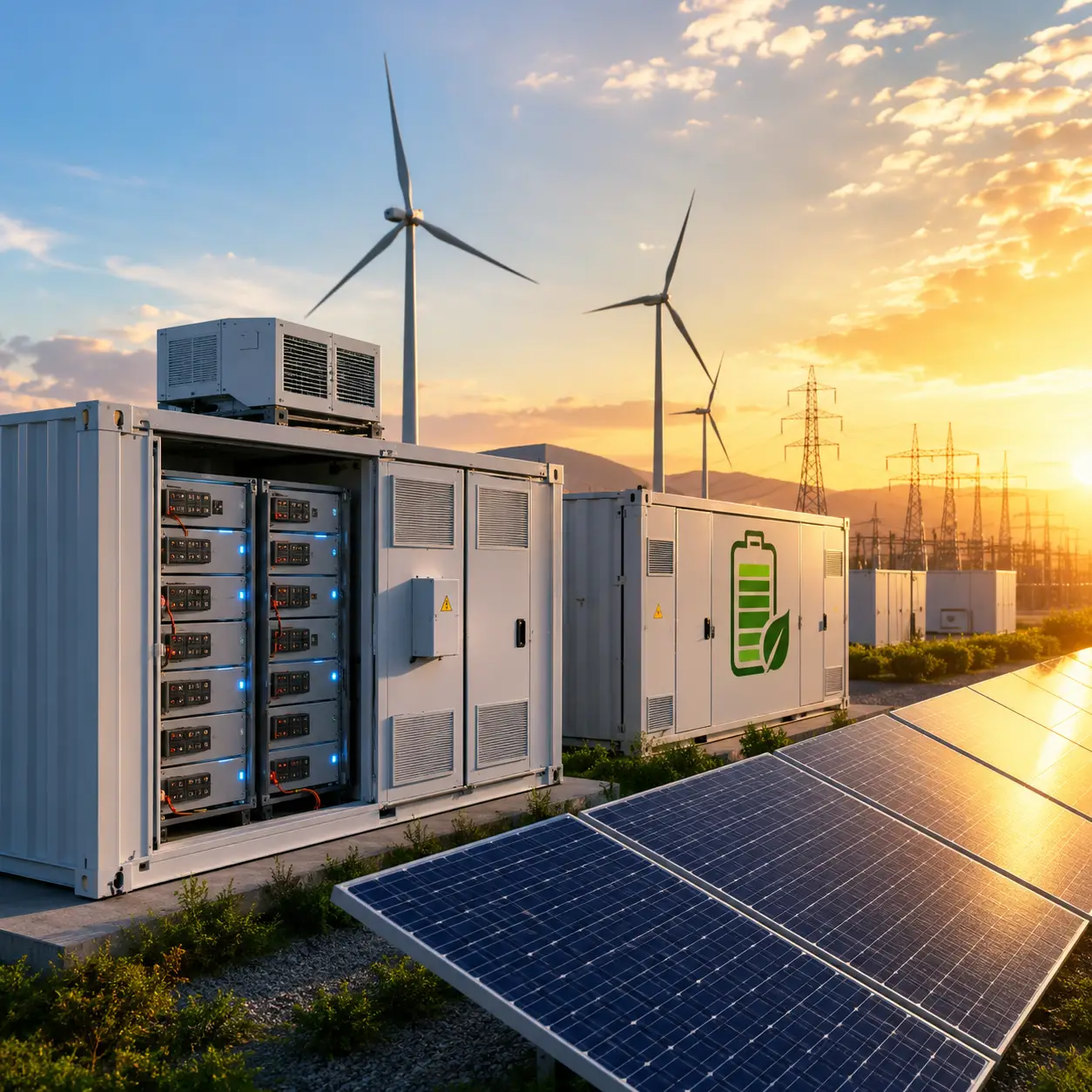
Battery Energy Storage Systems are moving from pilot projects to mainstream infrastructure. Utility-scale tenders from bodies like SECI, NTPC, and state discoms have grown sharply over the past year, and government planning now treats storage capacity as inseparable from renewable capacity targets. This shift is being driven by simple grid math: as solar’s share of the power mix rises, the need to shift that energy to match demand, especially in the evening, grows alongside it.
For commercial and utility-scale project developers, storage is increasingly a way to unlock better tariffs, reduce curtailment risk, and participate in a wider set of tenders that now favour hybrid, storage-backed bids. Looking ahead, expect solar-plus-storage to become a standard project configuration rather than a specialised one, particularly as battery costs continue to decline.
Trend 3: Stronger Focus on Domestic Manufacturing
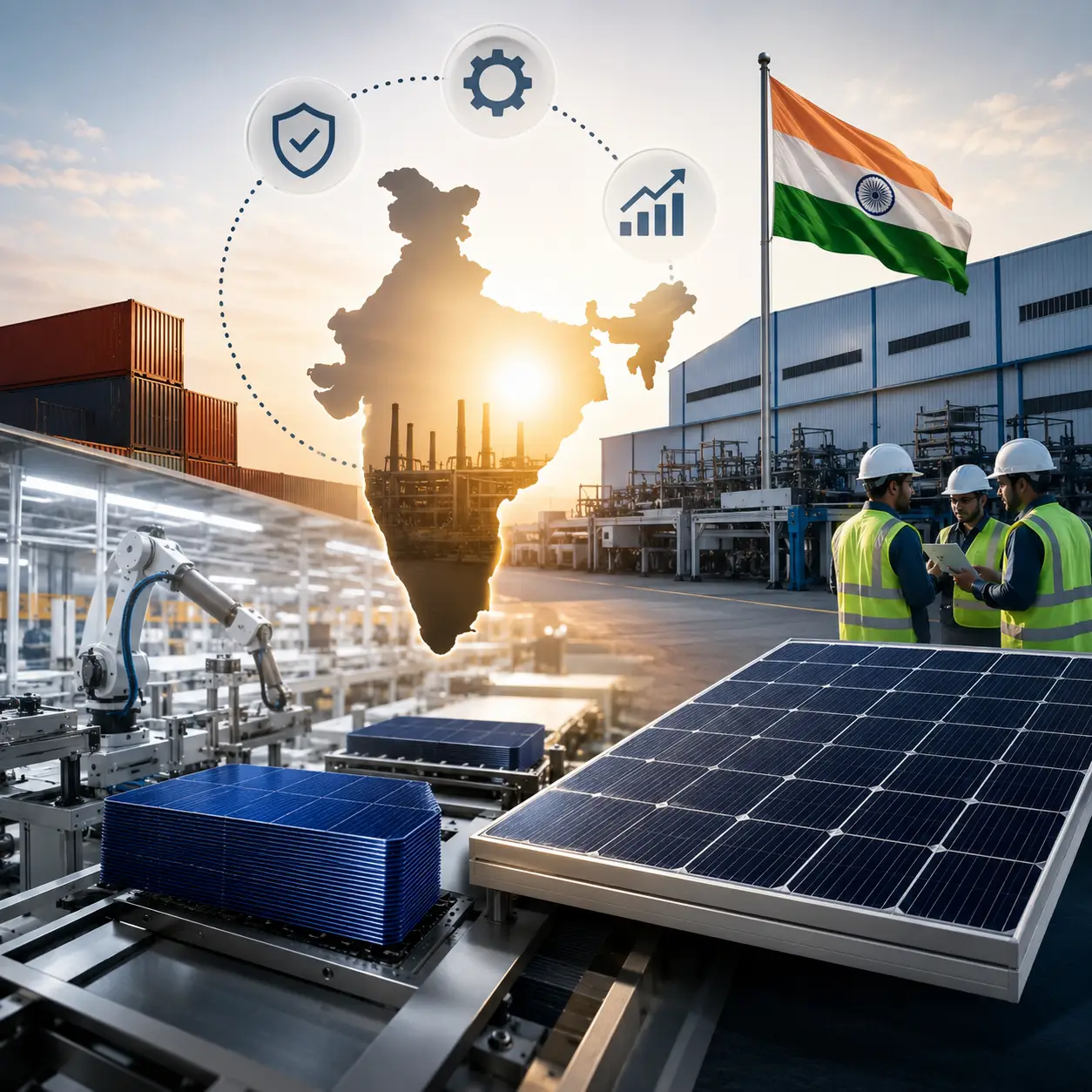
India’s push for a self-reliant solar supply chain has entered a more demanding phase, shaped by a few converging factors:
- Module manufacturing capacity has scaled rapidly, supported by import barriers and production-linked incentives
- New domestic sourcing rules now require locally made solar cells for government-linked and open-access projects
- Domestic cell manufacturing capacity still lags well behind module capacity, creating real near-term supply adjustments across the industry
For buyers and EPCs, this reinforces the value of working with manufacturers who have genuine backward integration and a credible roadmap for cell supply, not just module assembly. As sourcing requirements tighten, quality, traceability, and manufacturing depth are becoming meaningful differentiators rather than back-office details, shaping who wins large-scale contracts over the next few years.
Trend 4: Industry Consolidation and Strategic Investments

Deal activity in India’s renewable sector has picked up noticeably in 2026. Several large portfolios have changed hands or attracted competitive bidding from global infrastructure investors and strategic players, and industry commentary increasingly points to solar assets long seen as too fragmented for large-scale consolidation as the next major focus for power-sector M&A. Established developers are also entering joint ventures to strengthen their India platforms and pipelines.
This has practical implications for smaller and mid-sized players, as the market consolidates around better-capitalised, vertically integrated companies:
- Execution track record and financial stability carry more weight in partner and vendor selection
- Long-term relationships and delivery reliability matter more than one-off pricing
- Innovation and scale are becoming prerequisites for competing on major tenders, not differentiators
For customers, this generally means a smaller pool of larger, better-resourced partners to choose from but with stronger delivery guarantees.
Trend 5: Solar Becoming a Core Business Strategy
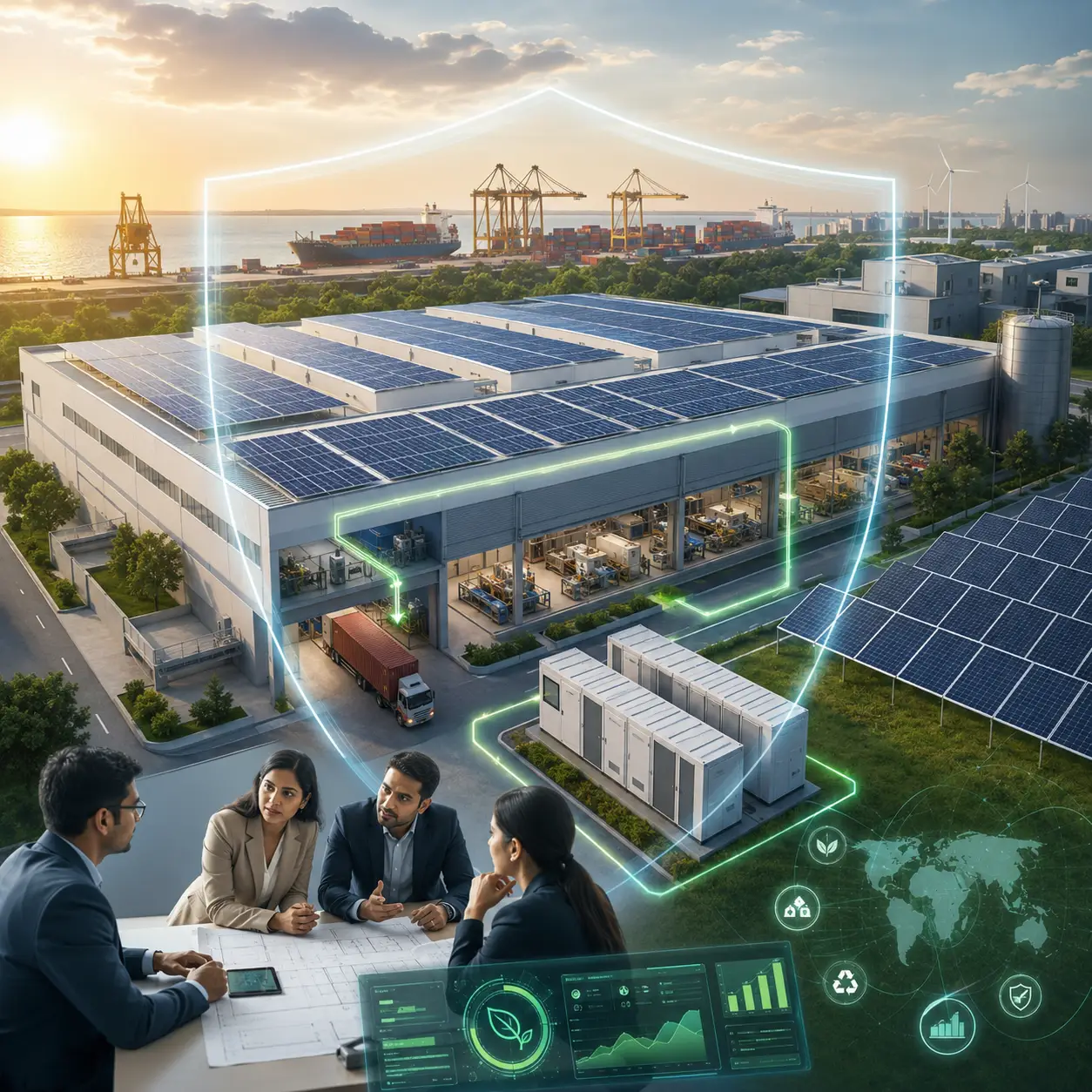
Perhaps the clearest shift this year is in why businesses are adopting solar. Open access and captive solar adoption among commercial and industrial consumers has grown steadily, driven less by environmental messaging and more by practical concerns: rising discom tariffs, energy security, and increasingly, compliance pressure from global supply chains and frameworks tied to carbon reporting. For many companies, particularly exporters, renewable procurement is now tied directly to commercial competitiveness.
This marks a genuine change in framing. Solar is no longer a side sustainability initiative for a growing number of Indian businesses; it is becoming core energy infrastructure and a long-term hedge against cost and supply uncertainty.
Conclusion
Grid readiness, storage adoption, domestic manufacturing depth, industry consolidation, and solar’s shift toward core business strategy together, these five trends capture where India’s solar sector is heading in the second half of 2026. None of them are simple headlines; each reflects a market that is maturing past its early growth phase into one that rewards preparation, quality, and long-term thinking. Businesses that stay informed and adapt early will be the ones best positioned as this next phase unfolds. At Pixon Green Energy, we see this evolution not as a challenge to manage, but as a natural part of building an energy transition that lasts one built on quality manufacturing, dependable partnerships, and a genuine commitment to India’s clean energy future.