Open Access Solar: A Smarter Way for Factories to Use Clean Energy
For many industries today, managing electricity costs has become as important as managing production itself. Along with rising energy costs, factories are facing growing pressure to reduce carbon emissions and adopt sustainable practices. While many businesses want to switch to solar energy, not every factory has enough rooftop space to install large solar systems. This is where open access solar is becoming an important solution. It allows industries to use solar power from an off-site solar plant without installing panels on their own premises, making clean energy more accessible, scalable, and cost-effective.
What Is Open Access Solar?
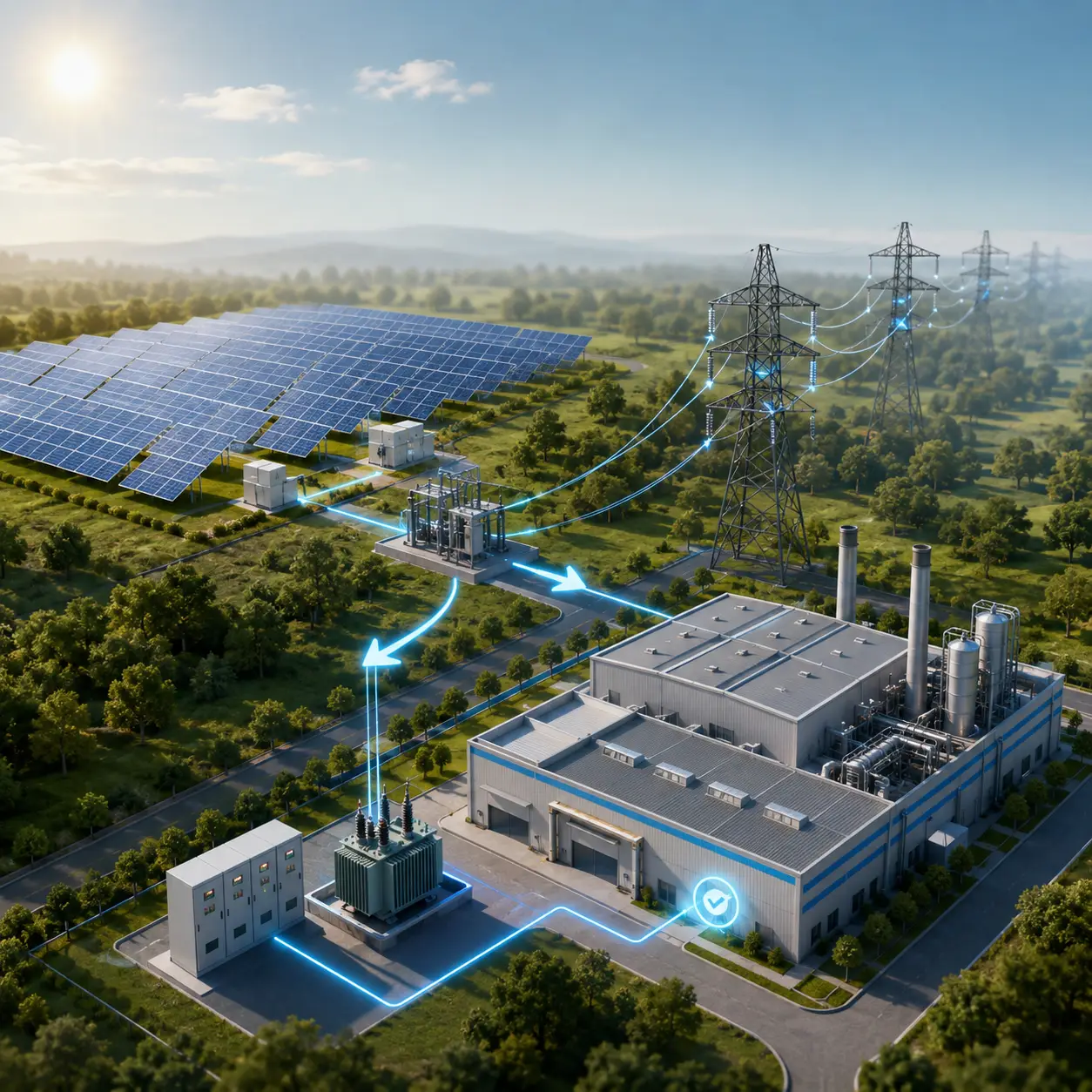
Open-access solar is a model in which businesses purchase electricity directly from a solar power developer. Instead of generating solar power on the factory roof, the electricity comes from a large solar plant elsewhere, usually in areas with abundant sunlight.
The generated power is then supplied to the factory through the existing state electricity grid. In simple terms, industries can use solar energy without owning or installing a solar plant on-site.
This model is becoming increasingly popular because it gives factories access to renewable energy on a much larger scale.
Why Industries Are Moving Towards Open Access Solar
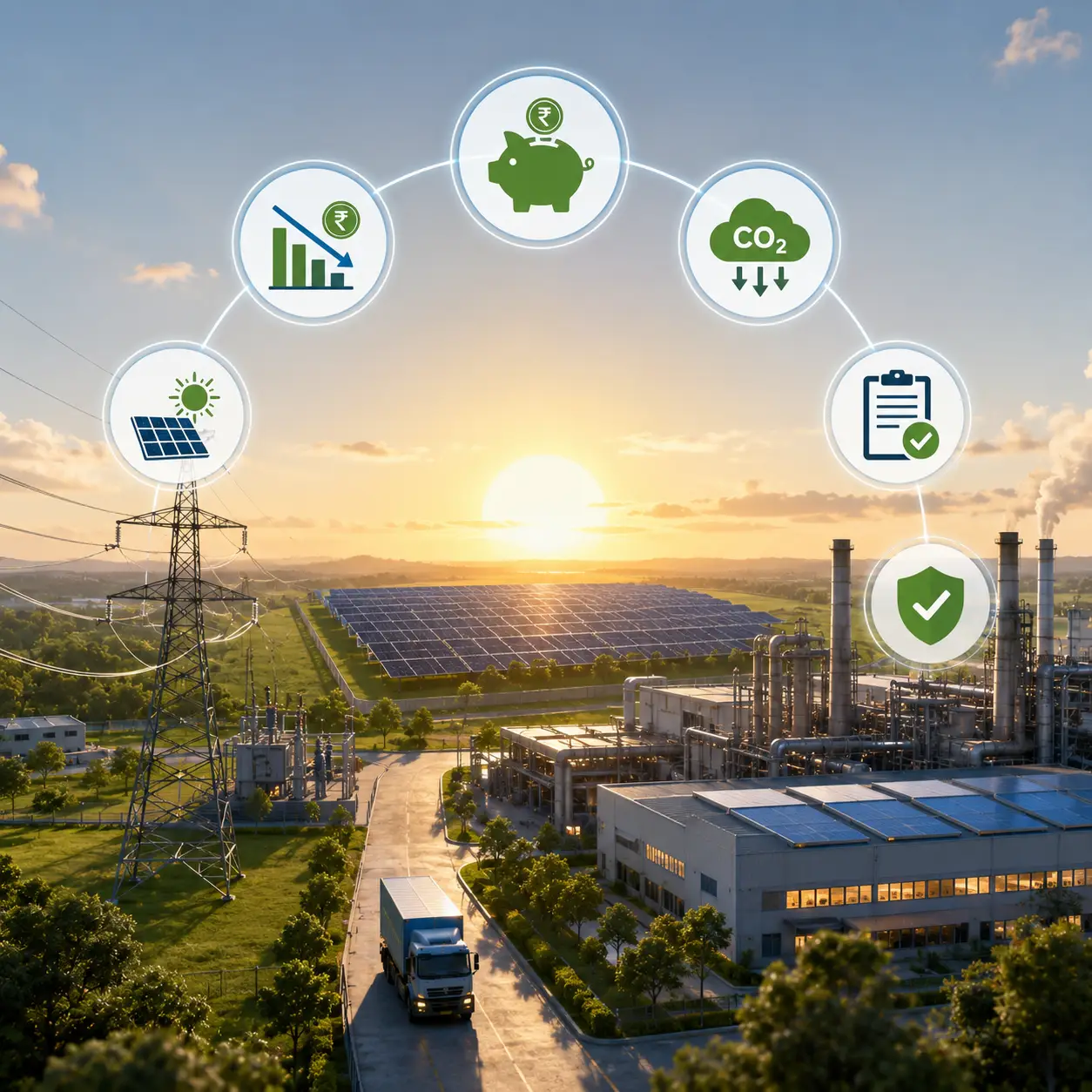
Lower Electricity Costs
One of the biggest reasons industries choose open access solar is cost savings. Industrial electricity tariffs are often high and continue to rise. Open access solar offers businesses more stable and predictable energy costs through long-term agreements.
For factories with high power consumption, even a small reduction in electricity cost can lead to significant savings in the long run.
No Rooftop Space Limitations
Many factories:
- have limited rooftop space,
- use roofs for machinery and infrastructure,
- cannot install large rooftop systems.
Open access solar removes this limitation completely. Since the solar plant is located elsewhere, industries can access larger amounts of clean energy without worrying about available space.
Supports Sustainability Goals
Today, sustainability is becoming an important part of industrial operations. Many companies are working towards:
- reducing carbon emissions,
- improving ESG performance,
- adopting green manufacturing practices.
Using solar energy helps businesses move closer to these goals while also improving their environmental image.
This is especially important for:
- exporters,
- large manufacturers,
- Companies working with international clients.
Better Energy Planning
Traditional electricity supply can sometimes be unpredictable due to tariff changes and grid-related issues. Open access solar gives industries better control over long-term energy planning.
With fixed agreements and stable pricing, businesses can:
- manage operational expenses more efficiently,
- reduce uncertainty,
- plan future expansion with greater confidence.
How Open Access Solar Works
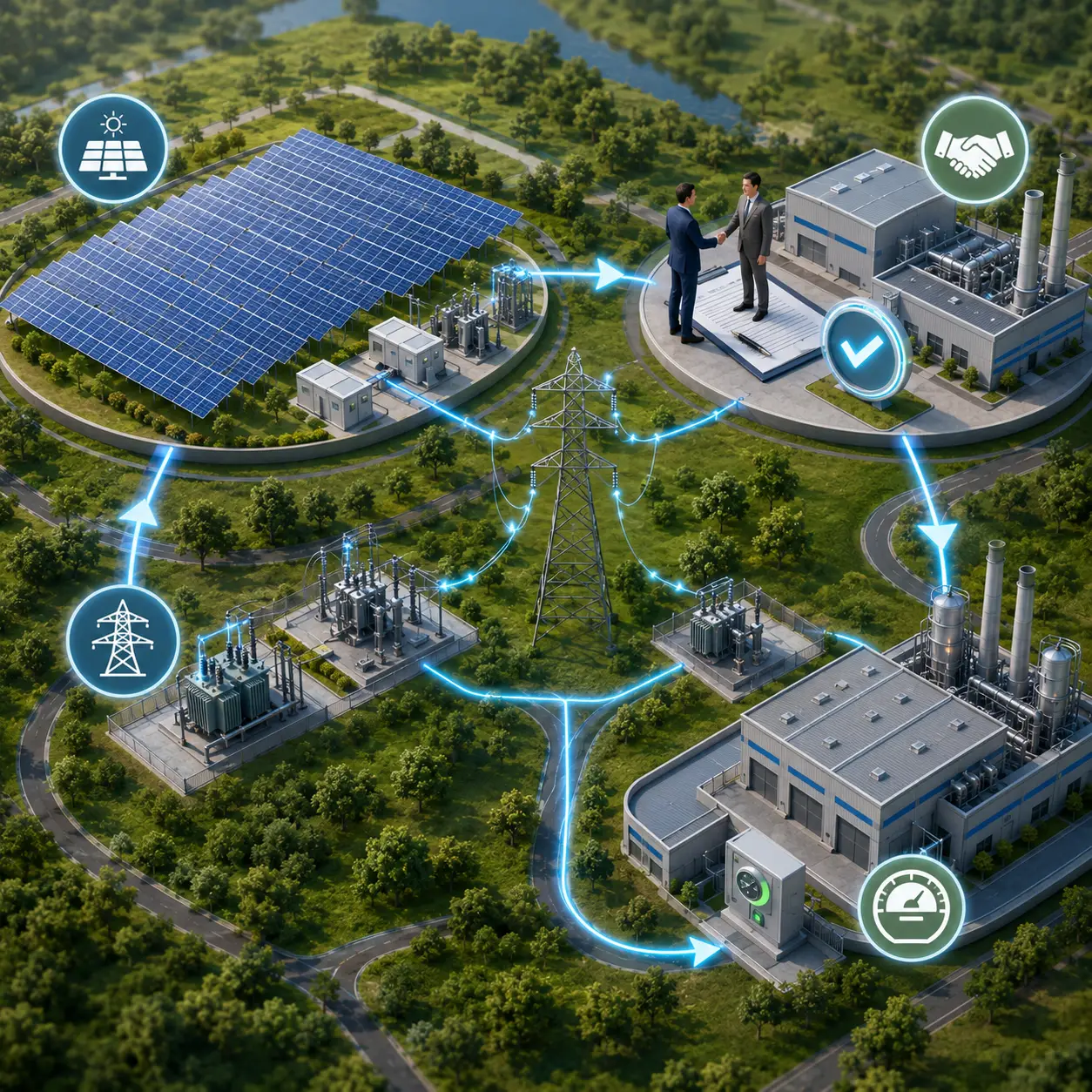
The process is relatively simple.
Step 1:
A solar developer builds and operates a large solar power plant.
Step 2:
An industrial consumer signs an agreement to purchase electricity from that plant.
Step 3:
The electricity is supplied through the state electricity grid.
Step 4:
The power consumed by the factory is adjusted through regulatory settlement mechanisms.
Although the technical process may sound complex, the idea is simple: factories can access renewable energy without installing solar systems at their own location.
Government Support Is Driving Growth
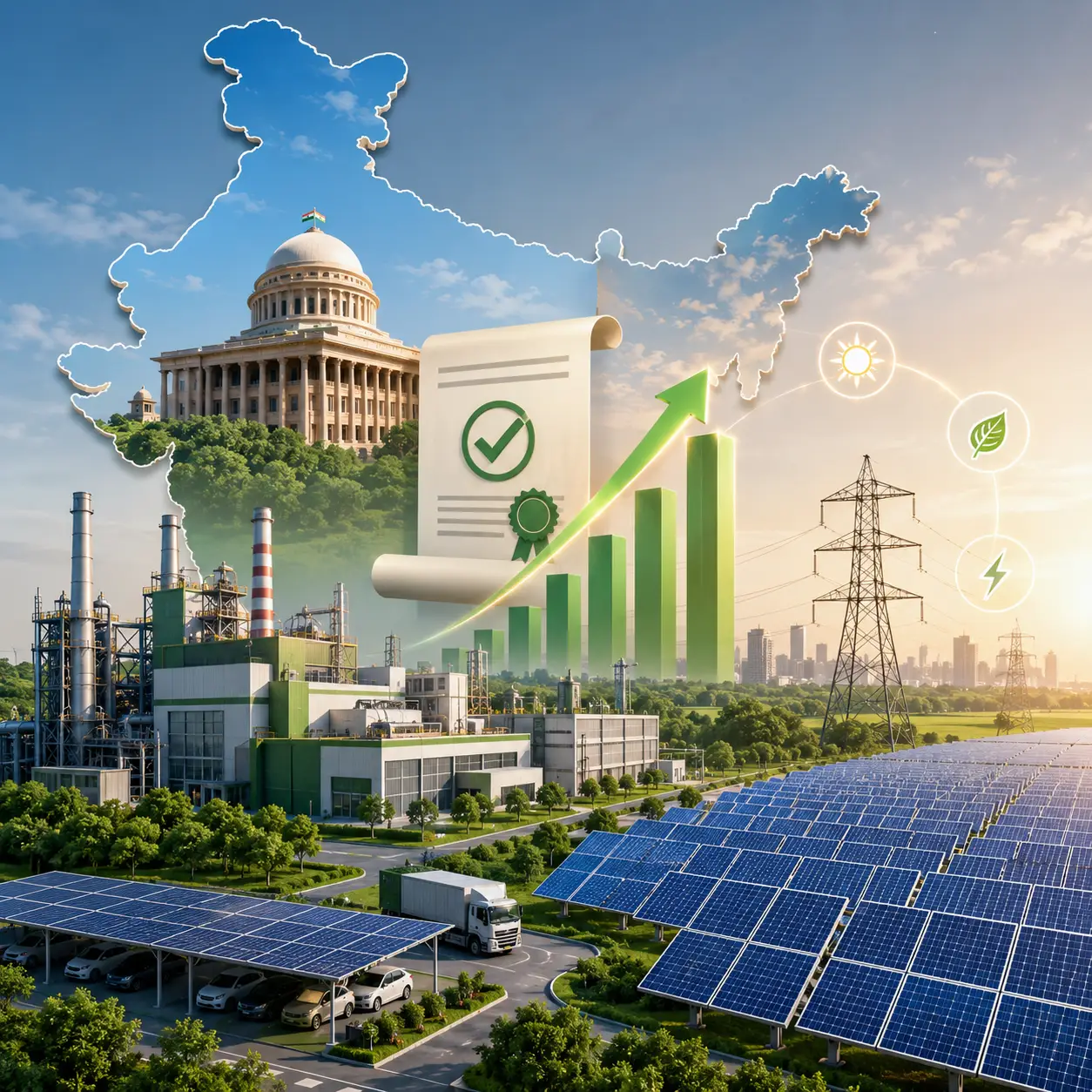
India is actively promoting renewable energy adoption across industries. Policies related to green open access are helping simplify approvals and encourage businesses to adopt clean energy solutions.
Some key factors driving growth include:
- renewable energy targets,
- green open access reforms,
- growing industrial demand for clean power,
- increasing focus on sustainable manufacturing.
As policies continue to evolve, open access solar is expected to become more accessible for commercial and industrial consumers across different states.
Challenges Businesses Should Consider
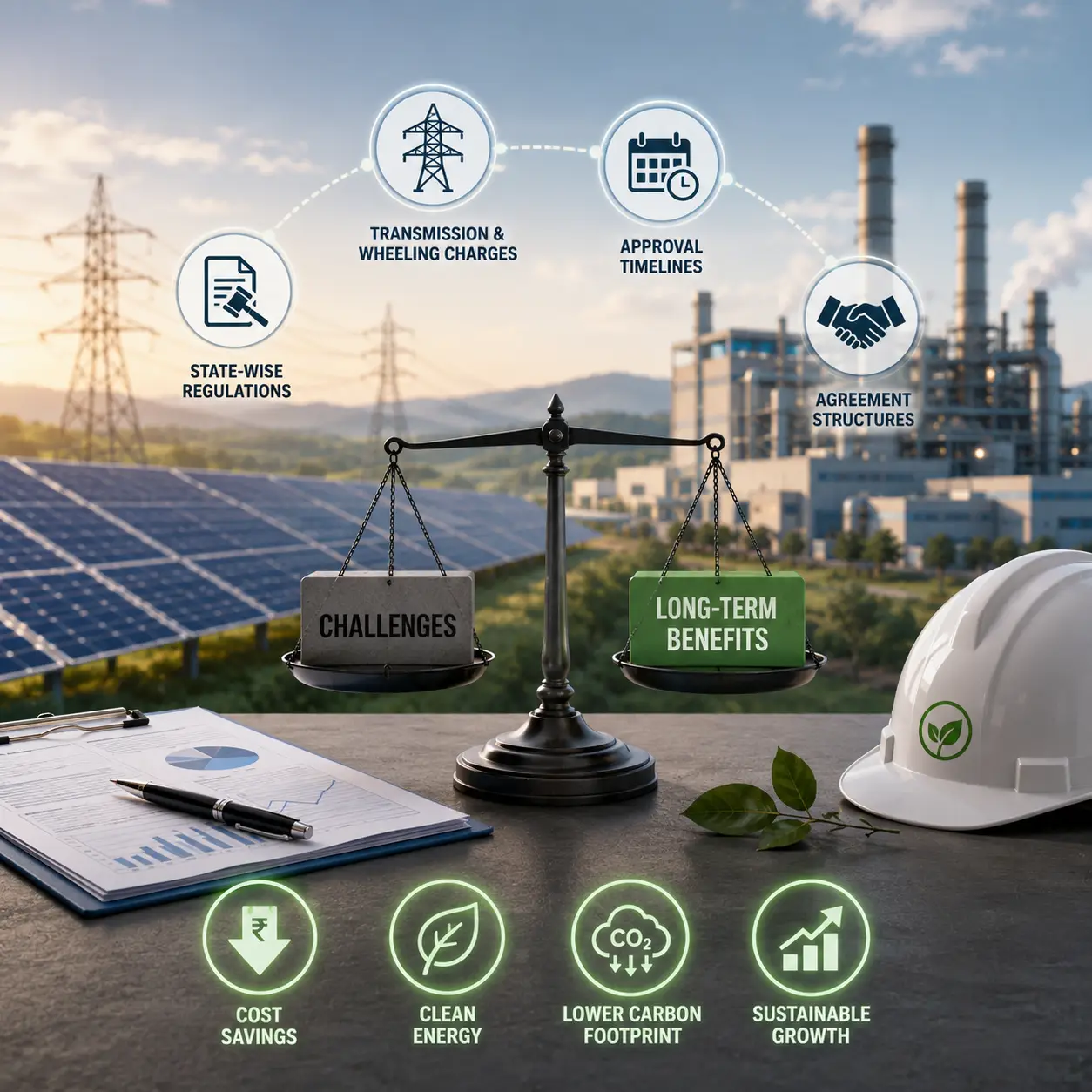
Like any energy model, open access solar also comes with certain challenges.
Businesses may need to understand:
- state-wise regulations,
- transmission and wheeling charges,
- approval timelines,
- agreement structures.
However, despite these challenges, the long-term financial and sustainability benefits are encouraging more industries to adopt this model.
The Future of Industrial Energy
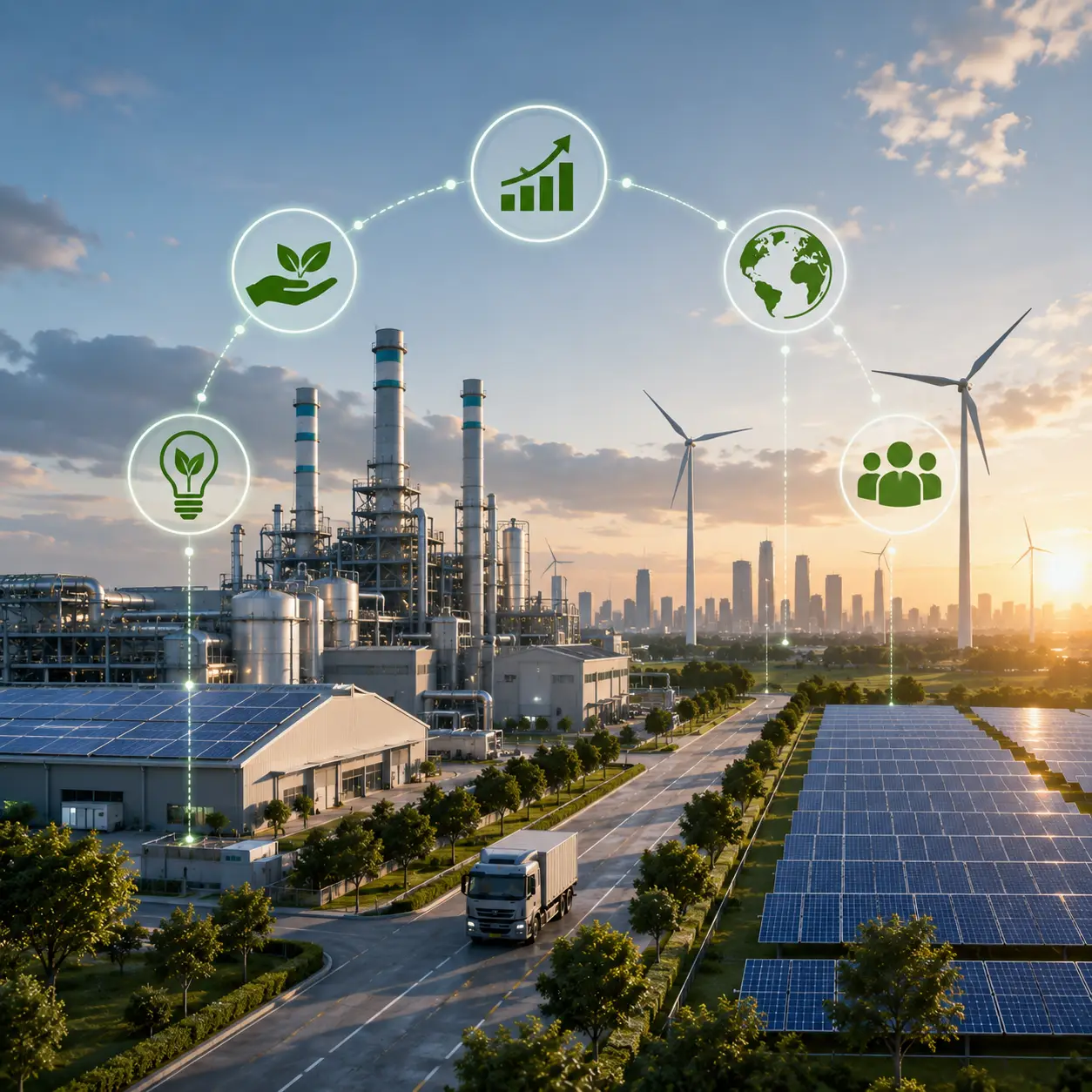
Open access solar is changing the way industries think about electricity. Earlier, energy was simply viewed as an operational necessity. Today, it is becoming a strategic business decision connected to cost savings, sustainability, and long-term growth.
As electricity demand increases and sustainability goals become more important, open access solar is likely to play a major role in India’s industrial future.
For factories seeking a cleaner, smarter, and more scalable energy solution, open-access solar is quickly becoming the preferred choice.