Solar Spark: PIXON’s Summer Edition

Solar Spark: PIXON’s Summer Edition

Dear PIXON Family,

We are thrilled to bring you the latest edition of the PIXON Solar Connect Newsletter, covering the months of April, May, and June. This newsletter is your go-to source for all our company’s exciting developments, achievements, and events. From impactful ad campaigns and significant installations to new partnerships and educational factory visits, we have a lot to share with you. We also take this opportunity to recognize the hard work of our dedicated employees and our commitment to environmental sustainability. Dive in to read more about how PIXON continues to shine brightly in the solar energy industry!

Pixon Se Roshan: Lighting Up with Solar Awareness

We are happy to share that we have launched our new YouTube ad campaign, “Pixon Se Roshan.” This initiative aims to raise awareness about the benefits of solar energy and provide detailed information about the PM Suryodaya Yojana. Our ad highlights how adopting solar energy can lead to significant savings and environmental benefits. The PM Suryodaya Yojana offers substantial incentives for switching to solar, making it an excellent opportunity for both residential and commercial users. Let’s share this ad widely to spread the word about the advantages of solar energy!

To see the full video click on the below link- https://youtu.be/BbDEtaZKkys

Shining Success
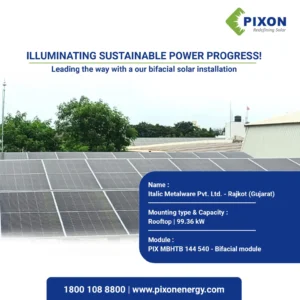
We are proud to highlight a significant installation at Italic Metalware Pvt. Ltd. in Rajkot. Our team successfully installed a 99.36 kW Bifacial Module, showcasing our commitment to providing top-tier solar solutions. This installation not only supports Italic Metalware’s energy needs but also demonstrates the efficiency and reliability of our bifacial modules.
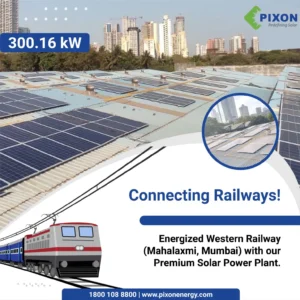
We are excited to announce the completion of a major solar project at Mahalaxmi, Mumbai for Western Railway. This project features a 300.16 kW capacity installation utilizing Poly 335 Wp modules. This successful installation reflects our dedication to providing effective solar solutions and supports Western Railway’s commitment to sustainable energy. Kudos to our team for their outstanding effort and dedication in bringing this project to fruition

Expanding Horizons: New Distributors
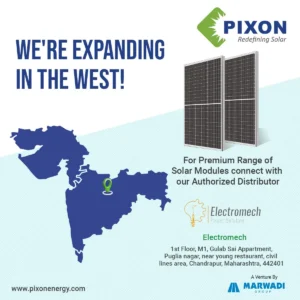
In an exciting development, we have expanded our distribution network in the Western Region with the addition of Electromech Power Solutions. This partnership marks a significant step in our growth strategy, ensuring that our solar products are more accessible to customers in this region. Electromech’s expertise and reach will help us better serve our clients and meet the increasing demand for solar energy solutions.

We are thrilled to announce the expansion of our distribution network in the Western Region of Maharashtra with our new distributor- Tejas Agencies. This collaboration is a significant milestone in our growth strategy, enhancing the accessibility of our solar products in the area. With the expertise and extensive reach of Tejas Agencies, we are better positioned to serve our clients and meet the rising demand.

Inspiring Visits: Educational Tours at PIXON

We were delighted to host several educational institutions at our PIXON factory, providing students with a firsthand look at our operations and the technology behind solar energy.

Podar International School

We were delighted to host several educational institutions at our PIXON factory, providing students with a firsthand look at our operations and the technology behind solar energy.

Marwadi University (ICT)
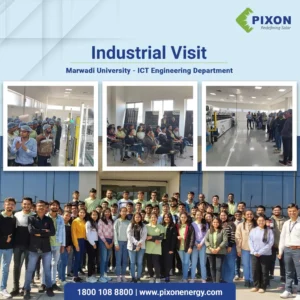
The visit from Marwadi University’s ICT department was a great success. The students showed keen interest in our innovative technologies and sustainable practices.

Government Polytechnic College:

Students from the Government Polytechnic College were given an in-depth tour of our facilities, enhancing their understanding of solar energy applications and our commitment to sustainability.

These visits are part of our ongoing efforts to educate and inspire the next generation about the potential of solar energy.

Victory Secured: Tender Win with Northern Railway

We are thrilled to announce that PIXON has won a significant tender for the installation of a 419 kWp solar system at the Northern Railway’s Moradabad Division in Uttar Pradesh. This project is a testament to our expertise and capability in handling large-scale installations. It is a proud moment for us, reflecting our dedication to contributing to India’s renewable energy goals.

Celebrating Excellence: Employee Appreciation Awards


Our employees are the backbone of PIXON, and we are pleased to recognize their hard work and dedication through our quarterly Employee Appreciation program. Certificates of appreciation have been awarded to outstanding employees across all departments. Your contributions are invaluable, and we thank you for your continued efforts to drive our company forward

Green Initiative: Tree Plantation on Environment Day

In celebration of Environment Day, our employees participated in a tree plantation drive at the PIXON factory premises. This initiative is part of our ongoing commitment to environmental sustainability. By planting seeds, we are not only enhancing the green cover of our factory but also contributing to a healthier environment. Thank you to everyone who participated in this meaningful activity.

We hope you enjoyed reading this edition of the PIXON Solar Connect Newsletter. Stay tuned for more updates and continue to shine with solar energy!
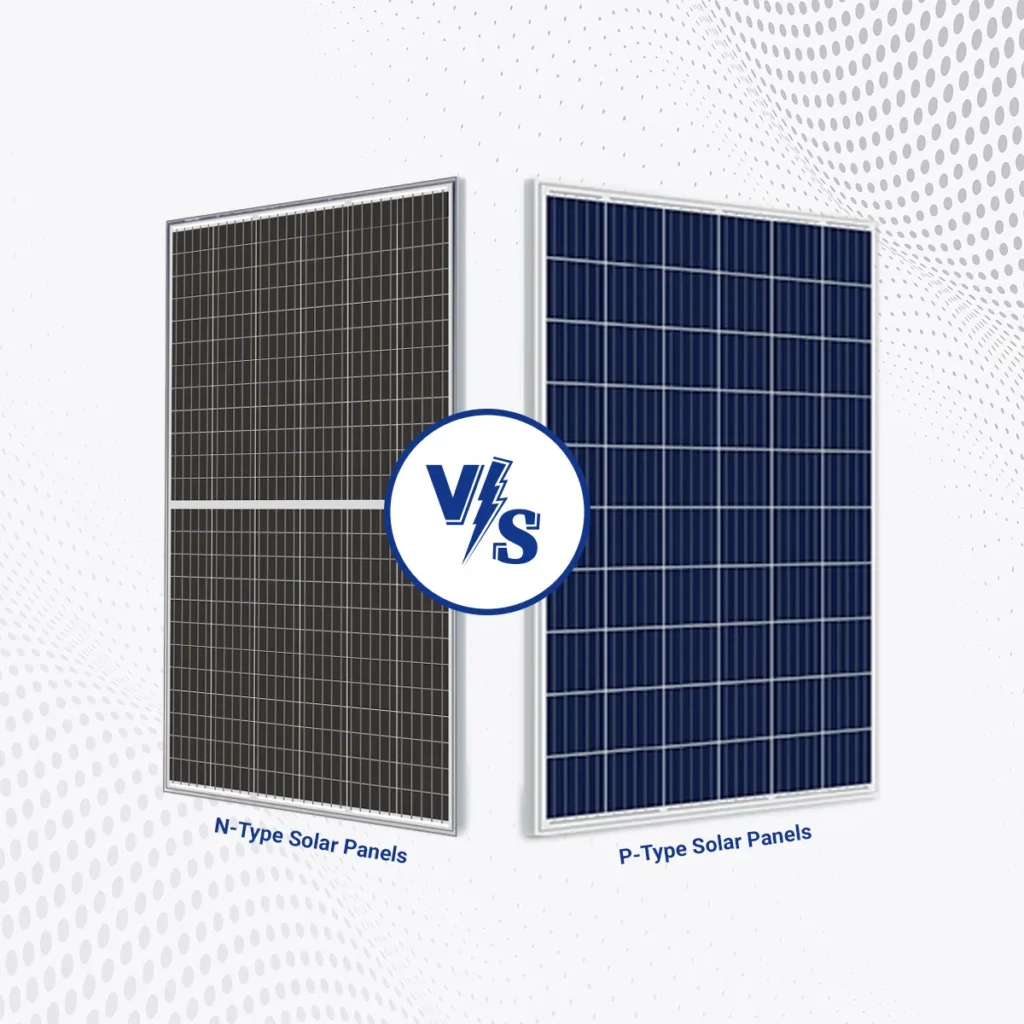
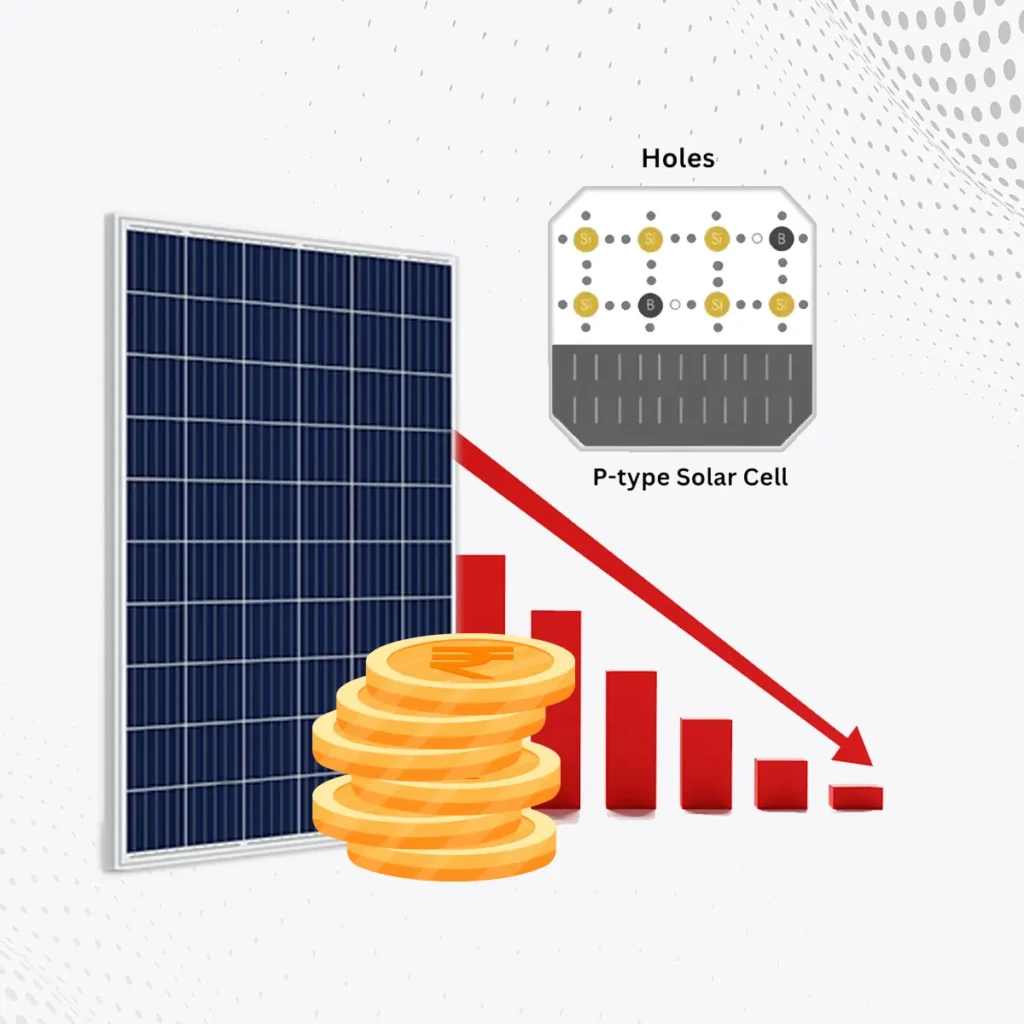
N-Type vs. P-Type Solar Panels: Understanding the Difference and Choosing the Best for Your Needs

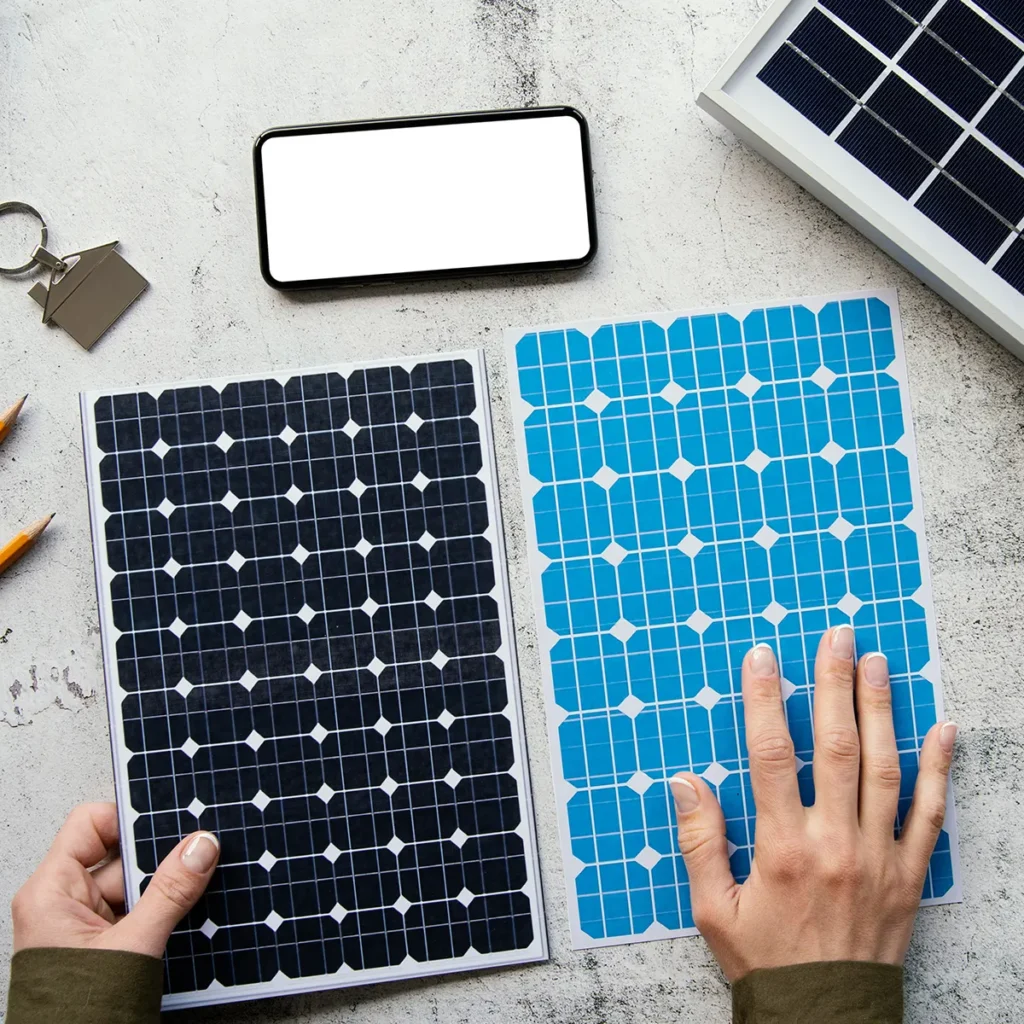
The quest for renewable energy sources has never been more critical than it is today, with solar energy at the forefront of this movement. Solar panels, or photovoltaic (PV) modules, are pivotal in harnessing the sun’s power, transforming it into clean, sustainable electricity for a variety of applications. However, not all solar panels are created equal. Within the vast array of solar PV modules available on the market, N-type and P-type solar panels emerge as significant categories, each with distinct characteristics, advantages, and applications. This comprehensive guide delves into the differences between N-type and P-type solar panels, aiming to arm you with the knowledge to make an informed decision.

Introduction to Solar PV Modules

Before diving into the specifics of N-type and P-type solar panels, it’s crucial to understand the basics of solar PV modules. At their core, solar panels consist of multiple solar cells connected together, which convert sunlight into electricity. This process, known as the photovoltaic effect, is what makes solar energy a key player in the renewable energy landscape. Over the years, solar technology has evolved, leading to enhanced efficiency, durability, and affordability, thereby increasing the accessibility of solar energy across the globe.


P-Type Solar Panels: The Traditional Choice

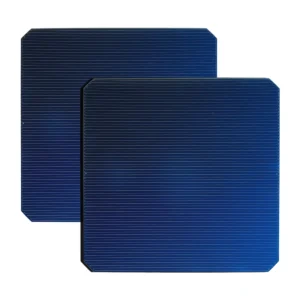
P-type solar panels have dominated the market for decades, thanks to their reliability and cost-effectiveness. The “P” in P-type stands for Positive, referring to the positive charge of the boron-doped silicon used in these solar cells. This traditional solar cell technology leverages a silicon base where the majority of carriers are positive holes.

Advantages of P-Type Solar Panels

Cost-Effectiveness: P-type cells are generally less expensive to produce than their N-type counterparts, making them a popular choice for both residential and commercial applications.

Proven Reliability: With a longer track record in the market, P-type solar panels have established a reputation for reliability and durability over the years.

Wide Availability: Given their longstanding presence, P-type panels are widely available from numerous solar module manufacturers worldwide.

Limitations

Lower Efficiency: P-type cells typically exhibit slightly lower efficiency rates compared to N-type cells, due to a higher susceptibility to light-induced degradation (LID).

Degradation Issues: P-type solar panels are more prone to boron-oxygen-related degradation, which can impact their long-term performance.

N-Type Solar Panels: The Efficiency Front-Runners

N-type solar panels represent a more recent advancement in solar technology. The “N” stands for Negative, indicating the use of phosphorus-doped silicon, which imparts a negative charge to the solar cells. This type of solar panel is known for its higher efficiency and superior performance in converting sunlight into electricity.

Advantages of N-Type Solar Panels

Higher Efficiency: N-type solar cells typically offer higher efficiency rates, due to their lower rate of light-induced degradation and better performance under high temperatures.

Less Degradation: These panels are less susceptible to the types of degradation that affect P-type panels, making them more durable over time.

Improved Performance: N-type solar panels perform better in low-light conditions and maintain their efficiency for a longer period.

Limitations

Higher Cost: The advanced manufacturing processes of N-type solar cells result in higher costs compared to P-type cells.

Lesser Track Record: Although rapidly gaining in popularity, N-type solar panels have a shorter market history than P-type panels, which might concern some buyers about long-term reliability.

Choosing Between N-Type and P-Type Solar Panels

Characteristics N-Type Solar Panel P-Type Solar Panel
Light-Induced Degradation (LID) Absence of LID related to manufacturing flaws LID causing up to 10% efficiency loss due to boron-oxygen defects
Efficiency of Solar Panel 25.7% efficiency rate 23.6% efficiency rate
Costs of Manufacturing Marginally elevated compared to P-type Conventional production costs
Warranty for the Product Guaranteed for 20 years Guaranteed for 12 years
Warranty Against Power Degradation Guaranteed for 30 years Guaranteed for 25 years

Utilization and Future Directions

Residential and Business Applications

Both N-Type and P-Type solar panels are utilized in settings ranging from homes to businesses. The longstanding presence and affordability of P-Type panels have cemented their status in these sectors. Yet, the quest for superior efficiency and enhanced power output has catalyzed a shift towards N-Type panel integration, especially in scenarios where quality and performance outweigh the concern for upfront expenditures.

Large-Scale and Utility Projects

In the realm of expansive solar endeavors and utility-scale projects, N-Type panels are becoming increasingly favored. Their superior efficiency and the promise for heightened energy production render them an appealing choice for those aiming to maximize electrical output and achieve better investment returns in extensive solar infrastructure.


Advances in Technology and Exploration

The push for augmented efficiency in N-Type solar panels continues, spurred by research and innovation. Technologies like passivated emitter and rear cell (PERC) designs, bifacial N-Type cells, and tandem solar cells that incorporate N-Type technology are at the forefront of promising efficiency enhancements. Collaborative efforts among academia, production entities, and the broader solar sector are pivotal in driving the evolution of N-Type solar panel technology, aiming to realize its utmost potential.

Spotlight on Solar PV Module Manufacturers in India

India has emerged as a hub for solar energy, with numerous solar PV module manufacturers contributing to the global and domestic solar markets. Indian manufacturers are at the forefront of solar technology, offering a wide range of solar modules, including both N-type and P-type panels, tailored to meet diverse energy needs. PIXON is leading the charge, providing innovative solar solutions that cater to the growing demand for renewable energy sources in India and beyond.


Wrapping Up

The journey towards a sustainable energy future is paved with innovations like N-type and P-type solar panels. Understanding the differences between these two types of solar PV modules is crucial for making informed decisions that align with your energy goals. Whether you’re leaning towards the efficiency and longevity of N-type panels or the cost-effectiveness and reliability of P-type panels, it’s clear that solar energy holds the key to a cleaner, greener planet. As the solar industry continues to evolve, the role of solar panel manufacturers and solar module manufacturers, especially those in India, will be instrumental in shaping the future of renewable energy worldwide.

Solar Power Purchase Agreements: A Comprehensive Guide

The saga of solar panel technology has been a remarkable journey of evolution since the 1950s. Initially, silicon-based solar panels were cumbersome and costly, limiting their use to specific applications like satellite power. However, advancements in material science have led to significant strides by solar module manufacturers, including those specializing in solar PV modules in India, transforming their utility and efficiency.

What is PPA?

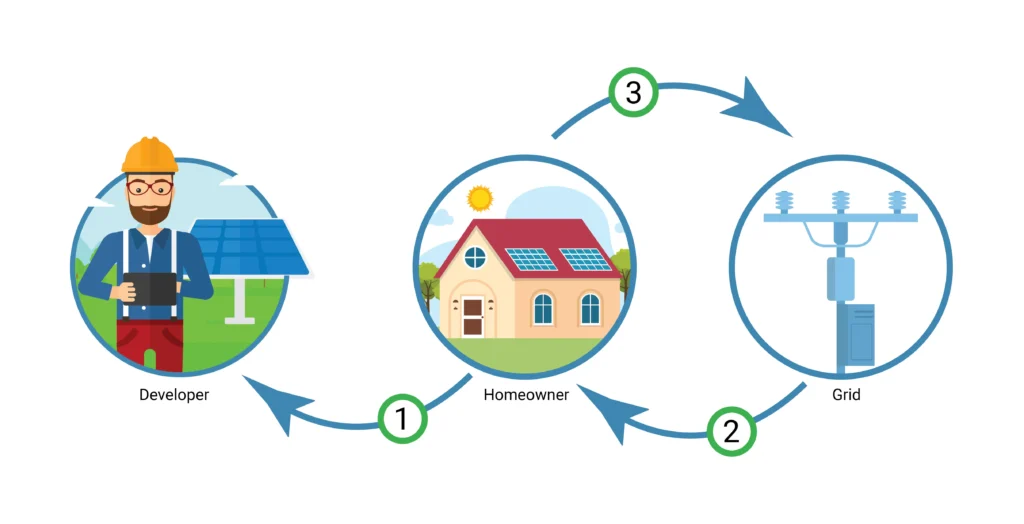
A Power Purchase Agreement (PPA) is a long-term contract for buying clean energy at a set price from a specific source, established between a renewable energy developer and a consumer—typically a business with high electricity needs—or between a developer and a supplier who then redistributes the energy. Entering into a PPA signifies the transaction of a project along with its environmental benefits (such as Guarantees of Origin).


Understanding Solar Power Purchase Agreements (PPAs)

A Solar Power Purchase Agreement (PPA) is a financial arrangement that enables the deployment of solar energy with minimal barriers. Under a PPA, a renewable developer is responsible for the design, permitting, financing, and installation of a solar energy system on a customer’s property at little to no upfront cost. The power generated by this system is then sold to the host customer at a fixed rate, typically lower than the prevailing retail rates offered by local utilities. This arrangement not only facilitates immediate savings on electricity costs for the customer but also offers a revenue stream and potential tax benefits for the developer.


The Benefits of Solar PPAs

Solar PPAs offer numerous advantages to solar customers:

No or Low Upfront Capital Costs: The developer absorbs the initial investment required for the solar system, enabling customers to adopt solar energy without significant upfront expenses.

Reduced Energy Costs: Customers benefit from a fixed, predictable electricity cost over the term of the PPA, which is often structured to be competitive against rising utility prices.

Limited Risk: Operational and performance risks are shouldered by the developer, providing peace of mind to the customer.

Tax Credits Leverage: Developers can utilize tax credits more effectively than entities without taxable income, reducing overall system costs.

Potential Property Value Increase: Solar installations can enhance property values, with PPAs allowing for this investment at minimal cost.

Steps to Secure a Power Purchase Agreement (PPA)

Securing a Power Purchase Agreement (PPA) is essential for the success of an MW-scale power plant. Here’s a guide on how to obtain a PPA:

Scouting for Locations : First, assess potential sites for photovoltaic (PV) installation, considering the amount of shade and available space. Both rooftop and ground locations are viable, with a rule of thumb being 5–10 watts (W) per square foot for solar projects.

Understanding Solar Policies : Since solar policies vary by region, identifying the specific policies applicable to your chosen location is crucial. The goal is to select a policy under which the PPA offers favorable financial returns.

Negotiating Contracts : Once a proposal is accepted, contract negotiations begin. This involves not just the PPA between the government entity and the system owner, but also agreements regarding land access for construction and maintenance, possibly including terms for Renewable Energy Certificates (RECs) sales.

Managing Permits and Rebates : The responsibility of applying for permits and rebates falls to the system owner, though government agencies need to monitor application deadlines. This is due to the time-sensitive nature of state incentives, which may involve limited application periods or competitive auctions.

Executing the Project : Following detailed design and planning, the developer will procure, install, and commission the solar PV system. This stage includes verifying utility connections and initiating system operation. It’s crucial to adhere to the timelines set by state incentives to avoid forfeiting benefits, which could affect the contract’s electricity pricing terms. PPAs outline the responsibilities of the developer and include mechanisms for imposing financial penalties in cases of non-compliance.


Considerations and How to Enforce PPAs

While solar PPAs offer clear benefits, there are considerations and challenges in enforcement that need addressing:

SREC Ownership : Understanding who owns the solar renewable energy credits (SRECs) is crucial, as it affects the financial returns of the PPA.

Financing Options : Weighing the benefits of a PPA against outright purchasing is important for anyone considering solar.

Site Upgrades and Property Taxes : Customers might need to invest in site upgrades, and an increase in property value could lead to higher property taxes, depending on local policies.

Enforcement of PPAs requires a balanced approach, ensuring predictability and certainty for increased investments in clean energy. This includes fair compensation for discoms, standard bidding guidelines, detailed guidance on PPA exits, flexibility in power procurement, and strengthened judicial mechanisms for contract enforcement.

Types of PPAs

PPAs can be categorized based on the location of the energy generation:

On-site PPAs: These involve the installation of a photovoltaic plant on the customer’s property, offering energy at a competitive price by offsetting demand from the grid.

Off-site PPAs: Associated with utility-scale renewable projects, these PPAs deliver energy from the point of generation to the consumption point via the electricity system’s transmission or distribution network.

The Role of Solar PV Module Manufacturers in India

The success of solar PPAs in India is intricately linked to the ecosystem of solar pv module manufacturers, solar products manufacturers, and solar panel and module manufacturing companies. These entities play a critical role in ensuring the availability of high-quality, efficient solar components essential for the effective implementation of PPAs. By fostering advancements in solar technology and reducing costs through innovation, manufacturers contribute significantly to making solar PPAs more attractive and viable for a broader range of customers.

Alternative Financing Methods for Rooftop Solar Projects

In addition to Solar Power Purchase Agreements (PPAs), several alternative financing mechanisms exist for facilitating rooftop solar installations. These include:

  • Direct purchase of a system with cash
  • Securing a solar loan
  • Opting for a solar lease

Before deciding on a solar PPA, it’s crucial to evaluate these alternatives thoroughly. While the prospect of receiving free solar panels may appear enticing, exploring other financing methods could result in more substantial savings on your energy expenses over time. To ascertain the most beneficial financing option for your situation, it’s advisable to solicit and compare multiple quotes from solar installation companies like PIXON Green Energy Private Limited .

Linking to the Future of Solar Energy

As we navigate the complexities and opportunities presented by solar PPAs, it’s clear that collaboration among developers, customers, and manufacturers is key to unlocking the full potential of solar energy. Companies are at the forefront of this transition, offering cutting-edge solar solutions that support the growth and sustainability of solar energy in India and beyond.

In conclusion, solar power purchase agreements represent a critical tool in the global shift towards renewable energy. By understanding the nuances of PPAs, including their benefits, considerations, and the roles of various stakeholders, we can better navigate the path towards a sustainable energy future. With the continued support and innovation from solar pv module manufacturers in India and around the world, solar PPAs will undoubtedly remain a cornerstone of renewable energy strategy for years to come.

The Evolution and Future of Solar Panel Technology and Manufacturing

Amidst the escalating need for renewable energy, solar energy stands out as a beacon of hope and innovation. As solar module manufacturers, particularly in India, spearhead the evolution of solar PV modules, the global carbon footprint is witnessing a significant reduction. This newsletter explores the advancements in solar panel technology, highlighting the contributions of solar manufacturing companies in India and worldwide in making solar energy more accessible and affordable.

Development of Solar Panel Technology: A Historical Perspective

The saga of solar panel technology has been a remarkable journey of evolution since the 1950s. Initially, silicon-based solar panels were cumbersome and costly, limiting their use to specific applications like satellite power. However, advancements in material science have led to significant strides by solar module manufacturers, including those specializing in solar PV modules in India, transforming their utility and efficiency.

Key developments include:

Thin-film Solar Cells: A leap forward in solar technology, these cells have enabled a more adaptable design, crucial for the diverse portfolio of solar module manufacturers.

Bifacial Solar Panels: A breakthrough that allows capturing energy from both panel sides, enhancing efficiency and reducing cost, a significant advancement for solar manufacturing companies.

Latest Advancements in Solar Panel Technology

The solar energy sector is rapidly evolving, with manufacturers continually enhancing the efficiency, cost-effectiveness, and durability of solar panels. Notable advancements include:

Perovskite Solar Cells: Demonstrating over 25% efficiency, these materials are revolutionizing solar cell technology, a key focus for leading solar module manufacturers. The allure of perovskite lies in its unique crystal structure, which enables superior light absorption and charge transport, leading to higher conversion efficiencies. Additionally, perovskite solar cells can be produced using simpler manufacturing processes compared to traditional silicon cells, drastically reducing production costs. This makes them an attractive option for solar PV module manufacturers, particularly in emerging markets where cost-effectiveness is paramount.

Tandem Solar Cells: Merging silicon with perovskite materials to achieve efficiency levels beyond 30%, a significant development for solar PV module manufacturers. Tandem solar cells combine the strengths of silicon and perovskite, harnessing a broader spectrum of sunlight. This synergy allows for capturing more energy from the sun compared to traditional single-junction cells. The development of tandem cells is a testament to the innovative spirit of solar manufacturing companies, striving to push the boundaries of solar cell efficiency. These cells are particularly promising for regions with high solar irradiance, maximizing energy production per square meter.

Organic Solar Cells: With ongoing research to boost their stability, these carbon-based cells offer a flexible and cost-effective solution for solar manufacturing companies. Organic solar cells, made from carbon-rich polymers, are known for their lightweight and semi-transparent properties, which make them suitable for a variety of applications, from wearable electronics to building facades. Their flexibility opens up new avenues for solar energy integration into everyday objects. However, the primary challenge lies in enhancing their longevity and efficiency, areas that are receiving significant attention from researchers and manufacturers alike.

Building-Integrated Photovoltaics (BIPV): Integrating solar panels into building structures, an innovative approach adopted by solar module manufacturers in India and globally. BIPV technology not only serves as a power-generating unit but also replaces conventional building materials, thus contributing to both energy generation and aesthetic architecture. This integration is increasingly popular in urban settings, where roof space may be limited. BIPV panels are designed to blend with the building’s design, maintaining the aesthetic while providing renewable energy. As cities around the world aim for sustainability, BIPV represents a dual solution to urban design and energy efficiency, a trend strongly embraced by forward-thinking solar module manufacturers.

Emerging Solar Panel Materials and Properties

As solar module manufacturers explore new materials, the efficiency and cost dynamics of solar panels are undergoing a transformation:

Perovskite: Gaining popularity among solar PV module manufacturers for its high efficiency and low production costs.

Organic Polymers: Providing flexibility and affordability, these materials are a focus for solar module manufacturers.

Quantum Dots: Enhancing infrared light absorption, a significant area of research for solar manufacturing companies.

CIGS: A promising material for thin-film solar panels, offering versatility in design, crucial for innovative solar module manufacturers.

Graphene: Known for its exceptional properties, graphene is being explored for integration into solar technology by leading solar manufacturing companies.

Innovations in Solar Cell Manufacturing

Advancements in manufacturing processes are pivotal for solar module manufacturers, reducing costs and expanding applications:

3D Printing: Enabling the production of custom-designed solar cells, a technique increasingly adopted by solar PV module manufacturers.

Roll-to-Roll Printing: A cost-effective mass production method embraced by solar manufacturing companies for efficient solar cell production.

Atomic Layer Deposition: Creating ultra-thin films, this method is gaining traction among solar module manufacturers for its efficiency and minimal waste.

Perovskite Inkjet Printing: Allowing direct printing of solar cells on various surfaces, expanding the potential applications for solar energy.

Smart Manufacturing: Digital technology is enhancing the production process, a trend quickly adopted by leading solar manufacturing companies.


Breakthroughs in Solar Panel Efficiency

Efficiency advancements are central to the mission of solar module manufacturers, seeking to make solar panels more eco-friendly and cost-effective:

Perovskite Solar Cells: With a 28.9% efficiency rate, these cells represent a significant leap, spearheaded by leading solar PV module manufacturers.

Multi-Junction Solar Cells: Achieving a 47.1% efficiency rate, these cells are at the forefront of research for solar module manufacturers.

Nanostructured Materials: Enhancing light absorption, these materials are a focus for solar manufacturing companies aiming for higher efficiency rates.

The Future of Solar Panel Technology

The future holds exciting prospects for solar energy:

Novel Materials: Graphene and perovskite are under intense research for their potential to revolutionize solar panels, a key interest for solar module manufacturers.

Advanced Manufacturing: 3D printing is being explored by solar PV module manufacturers for creating more efficient solar panels.

Integrated Solar Solutions: A growing trend among solar manufacturing companies, integrating solar panels into everyday infrastructure.

Energy Storage Technologies: Enhancing solar energy utilization, a crucial area for the advancement of solar module technology.

Future Directions for Solar Panel Technology

The roadmap for solar panel technology includes:

Material Innovations: Solar module manufacturers are exploring new materials like perovskite and advanced silicon variants.

Hybrid Panels: Combining different materials for optimal efficiency, a strategy adopted by leading solar PV module manufacturers.

Smart Solar Technology: The next generation of solar panels may feature integrated management systems, a focus for innovative solar manufacturing companies.

Enhanced Energy Storage: Advancements in battery technology are crucial for the future of solar energy, a key area for solar module manufacturers.

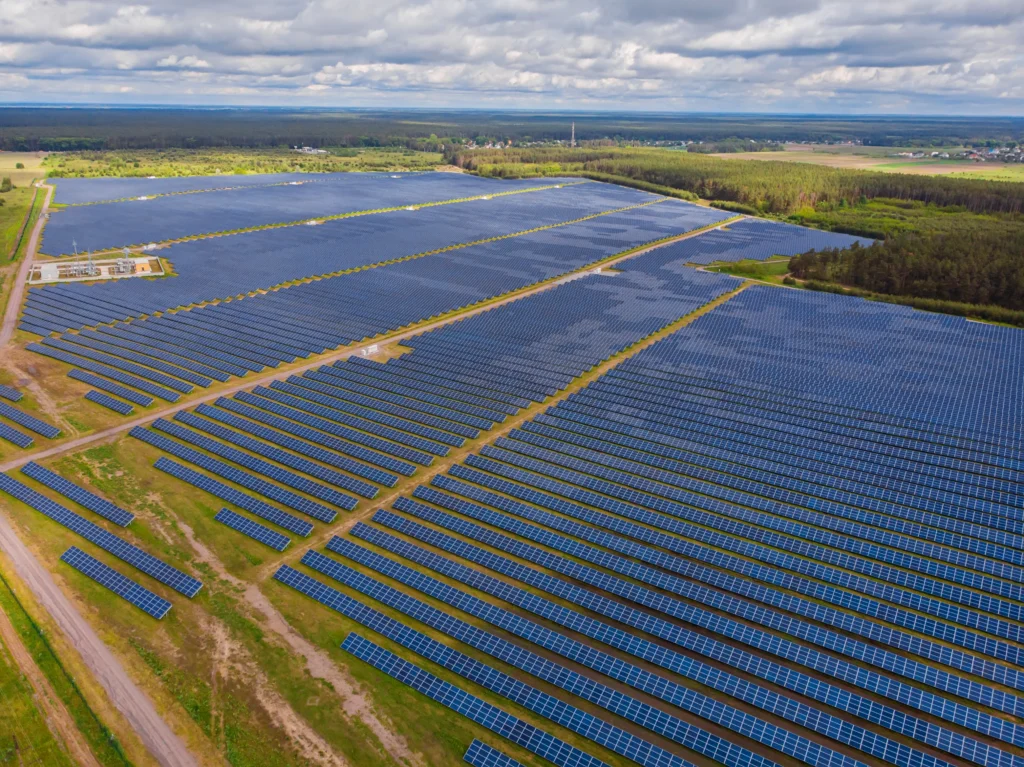
Large-Scale Solar Farms: A vision for supplying cities with renewable energy, a goal for leading solar manufacturing companies.

Wrapping Up:

Innovations in solar panel design and materials have catalyzed a paradigm shift in the solar energy industry. From the traditional silicon-based designs to the emerging perovskite and graphene technologies, each innovation represents a milestone for solar module manufacturers, including those specializing in solar PV modules in India. Future developments like hybrid panels, smart technologies, and advanced energy storage are setting the stage for a more sustainable and economically viable solar energy future. Despite the current investment challenges, the potential of solar energy remains boundless, with ongoing technological advancements promising a cleaner, greener world.

Sand- A Crucial Component in Solar Panel Manufacturing

Sand- A Crucial Component in Solar Panel Manufacturing

Sand plays a pivotal role in the production of solar panels, serving as a fundamental raw material. Its abundance and accessibility across the globe make sand an integral component in various industries, not just in solar panel manufacturing. However, despite its widespread availability, there is a looming threat of a shortage, primarily due to its extensive consumption in the construction sector, as reported by CNBC. Sand’s versatility extends beyond construction; it is crucial in creating the glass for windows, smartphone screens, and the silicon chips used in electronic devices.

What makes sand indispensable, especially in solar panel production, is its high silica content. This attribute is essential for manufacturing the silicon wafers at the heart of solar panels. Sand’s unique properties, such as its ability to provide structural strength when mixed with gravel in concrete or its melting into a transparent molten glass material, underline its multifaceted applications. Moreover, the crystalline structure of silicon, derived from sand, possesses semiconductor properties critical for controlling electrical currents in electronic devices.

For solar panels, however, the requirement is specific: the sand must be rich in silicon dioxide. This is because silicon dioxide is a primary source of silicon, crucial for producing the wafers that are central to solar panel functionality. This specificity underscores the significance of sand not just as a raw material, but as a key component in the renewable energy sector, highlighting the need for sustainable management of this vital resource.

Welcome to the Latest Edition of PIXON Solar Connect!

As we march forward into 2024, PIXON continues to illuminate the path towards a sustainable future. This month’s quarterly newsletter is brimming with exciting updates, accomplishments, and milestones that mark our journey of innovation and commitment to solar energy. Join us as we share the highlights of our recent endeavors.

Unveiling the Future at PIXON

PIXON welcomes its open doors to students from different universities for an exclusive tour of our state-of-the-art solar panel manufacturing facility. These visits have sparked interest and inspired many about the potential of solar energy and its impact on our world.

Expanding Solar Horizons


  • Our collaboration with the Oshwal Education Trust in Jamnagar is expanding! We’re excited to further our contribution to this educational trust by providing them with 125.29 kW solar power plant for a clean and sustainable energy solutions, supporting their mission towards a greener future.
  • PIXON is proud to announce that we have won the tender for a significant solar project of 300 KWP Solar Power Plant at the EMU Workshop, Western Railway, Mahalaxmi, Mumbai. This project underscores our commitment to enhancing the sustainability of India’s railway system through innovative solar solutions.
  • We’re excited to share the successful culmination of our 320 kW solar installation project across various stations of the South Western Railways. This initiative will significantly reduce carbon emissions and set a new standard for renewable energy in the transportation sector. Congratulations to everyone involved in making this project a success!
  • Another victory for PIXON as we secure a tender for a transformative solar project in Kolkata with 360KWp Solar Power Plant. This project at the Belgachia & Tollygunge Quarter complex in Kolkata (WB) is a leap towards sustainable urban transport and a testament to our dedication to renewable energy and a cleaner planet.

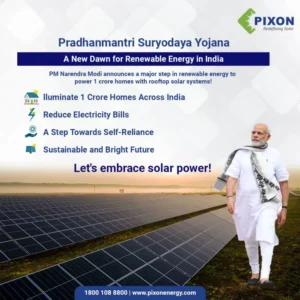
Pradhan Mantri Suryodaya Yojana

“Pradhanmantri Suryodaya Yojana” by Prime Minister Narendra Modi. This transformative scheme, unveiled on January 22, 2024, symbolizes a significant step towards making India self-reliant in the energy sector and reducing the electricity bills of the poor and middle class. With an objective to install rooftop solar systems on 1 crore houses, this initiative is not only a testament to India’s commitment to renewable energy but also an opportunity for the solar module manufacturing industry to showcase its potential.

A Year of Solar Milestones

As we reflect on the past year, PIXON has made remarkable strides in the solar energy sector. From expanding our project portfolio to forging new partnerships, we’ve made significant progress in our mission to power the world with clean energy.

Sunny Synergies

  • PIXON has signed a Memorandum of Understanding (MOU) of Rs. 1020 Crore with the Government of Gujarat. We’re incredibly proud to announce this initiative towards nurturing community growth and fostering empowerment through Solar energy.
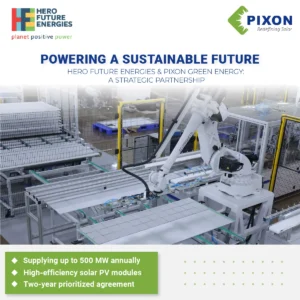
  • In a significant move towards accelerating India’s renewable energy goals, PIXON has partnered with Hero Future Energies for supplying upto 500 MW annualy with high efficiency solar pv modules. This collaboration is set to bring innovative solar solutions to the forefront of the energy sector.

Voyaging South & North!

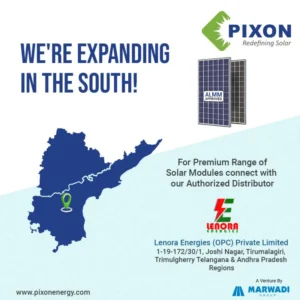
We are excited to announce our partnership with Lenora Energies Pvt Ltd, expanding our distributor network in Andhra Pradesh and Telengana. This collaboration will enhance the availability of PIXON’s high-quality solar solutions to a wider audience.

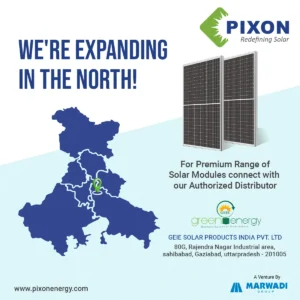
We’re also thrilled to share the news of our new partnership with GEIE Solar Products India Pvt Ltd, which marks a significant expansion of our distributor network in Ghaziabad, Uttar Pradesh. This collaboration is set to broaden the reach of PIXON’s premium solar solutions to an expanded customer base.

Exploring Innovation: Industrial Tours at PIXON

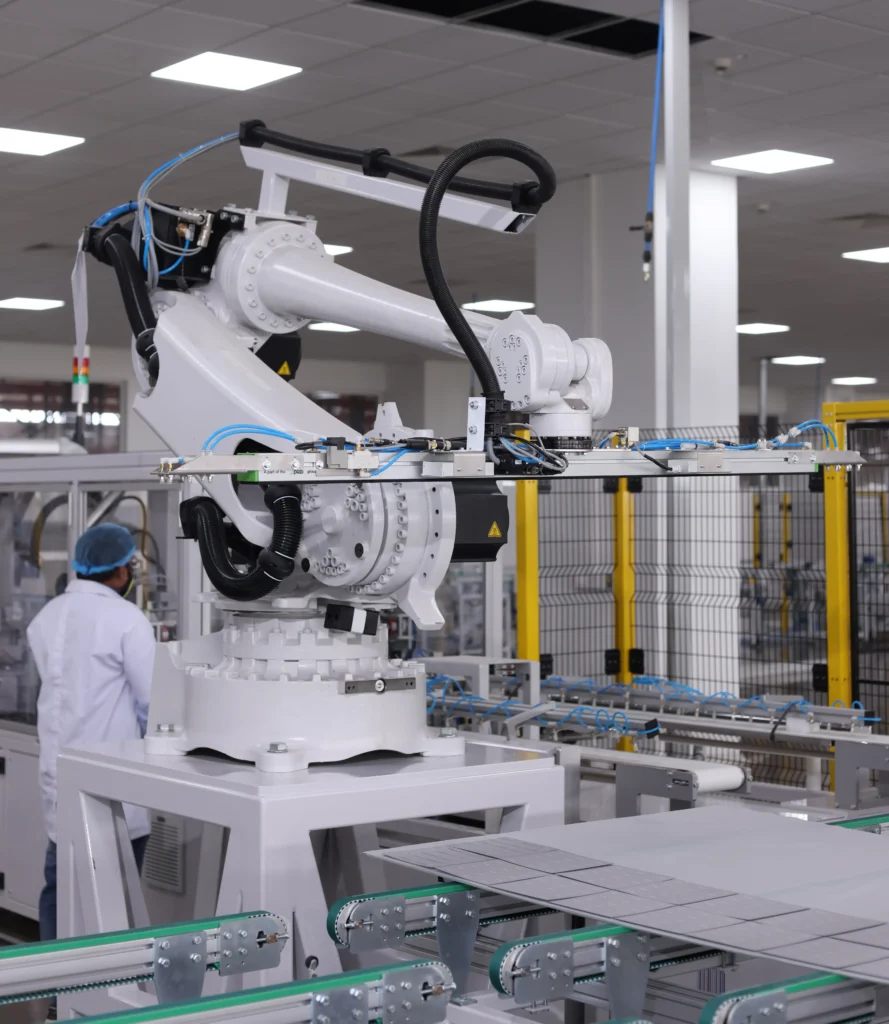
Students from Oshwal Education Trust and Sunshine International School, Rajkot, embarked on a journey into innovation and technology with their enlightening industrial tour at the PIXON factory. There, they were introduced to advanced manufacturing techniques and had the opportunity to engage with industry professionals, acquiring priceless knowledge about precision engineering and the evolving landscape of industrial automation.


Thank You for Your Continued Support

As we continue to advance in our journey, your support remains our greatest motivation. Together, we are making strides towards a sustainable and bright future powered by solar energy. Stay tuned for more updates in the next edition of PIXON Solar Connect.

BusBar Transformation: A Necessity for Advancing Solar Growth

In an era where sustainable and renewable energy sources are more crucial than ever, solar energy stands out as a beacon of hope and innovation. At the heart of solar energy technology are solar modules, complex assemblies that capture and convert sunlight into usable electrical energy. A key component in the efficiency and effectiveness of these modules is the BusBar technology. This newsletter delves into the critical role of BusBar transition in the growth of solar technology, with a specific focus on solar module manufacture and its burgeoning significance in India.

The Imperative of Advancing BusBar Technology

In the pursuit of optimizing energy production in solar modules, one of the most investigated strategies is the enhancement of busbar numbers. The photovoltaic (PV) industry has dedicated considerable effort to researching busbar technology, aiming to diminish electrical and shading losses, and thus, amplify the energy harvested from each cell. This approach has become increasingly relevant in the era of advanced, high-efficiency technologies like PERC and heterojunction.

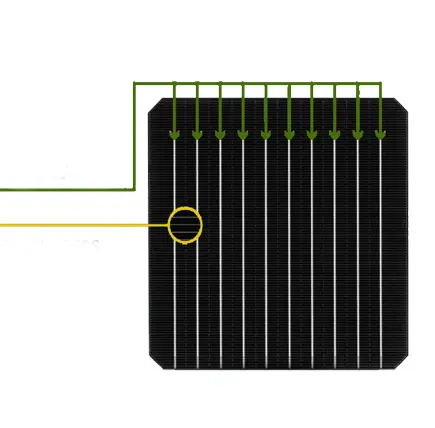
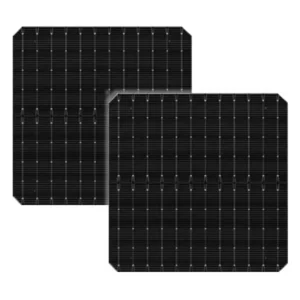
For those new to the concept, busbars are the metallic strips that extend across each solar cell, from front to back. Their primary function is to gather the electrons produced by the solar cell when it is exposed to sunlight. Recent studies have underscored that the efficiency of current solar modules is also linked to the quantity of busbars present on the cells within the module. Remarkably, less than half a decade ago, solar modules typically featured just two busbars. This number evolved to three and four, and the current trend is shifting towards the implementation of twelve busbars.

Technologies like Multi BusBar (MBB), which involves the use of twelve or more busbars made of copper, and busbarless (back contact) technology, are emerging as promising avenues for the future of solar energy. It’s essential to explore the impact of adopting twelve busbars in comparison to the traditional three or four, to understand the advancements and potential benefits of this evolution in busbar technology.

The Significance of BusBar Technology in Solar Modules

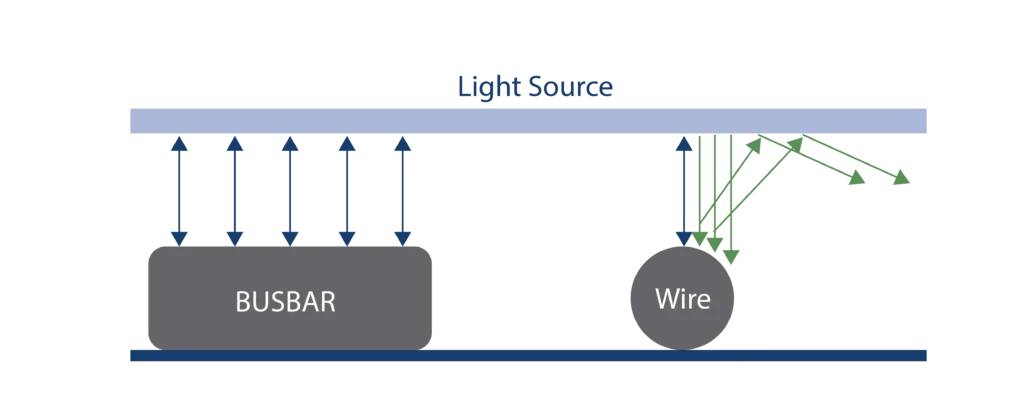
The introduction of BusBar technology marked a revolutionary step in solar module design. Traditional solar modules, while effective, faced limitations in terms of electrical loss and resistance, which impeded their overall efficiency. BusBars address these issues by providing a more streamlined and efficient pathway for the flow of electric current. They minimize losses and enhance the ability of the module to produce more energy even under less than ideal conditions, such as low light or high temperatures.

Comparing traditional solar modules with those enhanced by BusBar technology illustrates a clear improvement in performance. BusBar-equipped modules demonstrate higher efficiency rates, better durability, and greater resistance to common issues like shading and soiling.


BusBar Technology – A Catalyst for Solar Energy Growth

The global energy landscape is rapidly shifting towards renewable sources, with solar energy at the forefront. Statistical data from various international energy agencies highlights a steady and significant increase in the adoption of solar energy.This growth is partly attributed to technological advancements like BusBar technology, which have made solar modules more efficient and cost-effective.

Case studies from different parts of the world reveal the transformative impact of BusBar technology. In regions with high solar potential, the adoption of BusBar-enhanced modules has led to a notable increase in energy output, directly contributing to the growth of solar energy infrastructures.

Enhanced Electron Collection with More Busbars

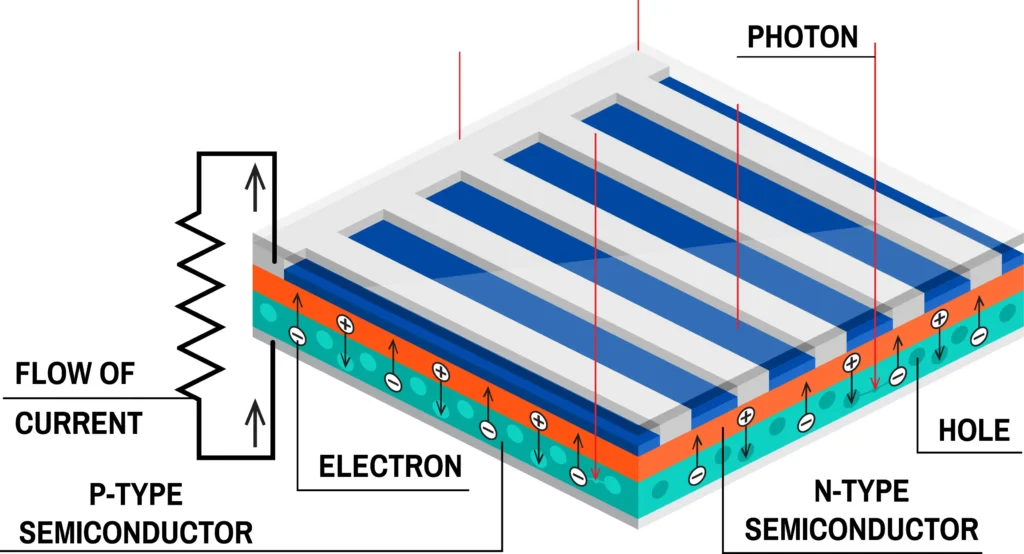
The effectiveness of electron collection in a solar cell is greatly influenced by the number of busbars. Busbars, which are the contact points connected to the cell’s fingers, play a crucial role in this process. With an increase in the number of busbars, more electrons can be efficiently channeled into the cell’s electrical conduction system before they recombine with ‘holes.’ This leads to a noticeable reduction in the electrical loss within the cell.

Reduced Shading Loss with Slimmer Busbars

As the count of busbars rises, a simultaneous decrease in their thickness is observed. This reduction in size contributes significantly to minimizing shading loss, which occurs due to the presence of busbars on the cell’s surface. Furthermore, thinner busbars require less silver, leading to cost implications for the solar modules.

Lower Degradation and Enhanced Durability with More Busbars

Solar cells experience a degree of degradation during the soldering process into modules. Studies indicate that modules with 3 and 4 busbars experience a certain level of efficiency loss. However, modules equipped with 5+ busbars, featuring shorter gaps between them, can reduce residual stress by approximately 10%. This lower level of degradation in 5+ busbar modules translates to better durability, a longer lifespan, and an increased advantage in energy generation.

Implications for Energy Generation and Efficiency

It becomes evident that increasing the number of busbar stripes on solar cells significantly enhances the module’s energy collection capability, pushing the boundaries of known energy generation limits.

As the global community progresses towards embracing solar energy as a mainstream power source, the drive to make solar modules more efficient gains paramount importance. Increasing the number of busbars not only improves the number of contact points within a solar cell but also makes the solar module more proficient in generating green energy. This enhancement in energy collection efficiency also addresses the issue of hotspot formation, which traditionally reduces the energy generation capacity of solar modules. The introduction of 5+ busbar modules, therefore, presents a solution to this challenge, further solidifying their role in advancing solar technology.

Solar Module Manufacturing – The Indian Scenario

India’s journey in solar module manufacturing is a testament to the country’s commitment to renewable energy. As one of the sunniest countries, with about 300 clear sunny days in a year, India has a huge potential for solar energy. This potential is being realized through substantial investments in solar technology, with an emphasis on enhancing solar module efficiency.

The integration of BusBar technology in solar modules is a significant step for Indian manufacturers. It not only aligns with global technological standards but also positions India as a key player in the solar energy market. With the government’s ambitious targets for renewable energy, especially solar, the adoption of advanced technologies like BusBars is crucial.

Indian solar module manufacturers are increasingly focusing on incorporating BusBars into their products. This shift is driven by the need for higher efficiency modules, which in turn reduce the cost of solar electricity. The government, recognizing the importance of this technology, has introduced various policies and incentives to encourage the production and adoption of advanced solar modules.

Challenges and Opportunities

Despite the clear benefits, the transition to BusBar technology in solar modules is not without challenges. On the technical front, the integration of BusBars requires precision engineering and high-quality materials, which can increase the initial cost of solar modules. Additionally, the manufacturing process needs to be adapted to accommodate the new technology, requiring investment in new machinery and training for personnel.

Economically, the higher initial cost of BusBar-enhanced solar modules can be a deterrent, especially in price-sensitive markets. However, the long-term benefits in terms of efficiency and durability often offset these initial costs.

Looking ahead, there are significant opportunities for further development in BusBar technology. Continuous research and development can lead to even more efficient designs, further reducing electrical losses and increasing the overall output of solar modules. The evolution of BusBar technology also opens up new possibilities for integrating solar energy into a variety of applications, further driving the growth of renewable energy.

Wrapping Up

The BusBar transition in solar module technology is more than just an incremental improvement; it’s a pivotal shift that is driving the growth of solar energy globally. With higher efficiency, improved durability, and the potential for further advancements, BusBar technology is setting new standards in the solar industry.

In India, the embrace of this technology is particularly significant. As the country strides towards its ambitious renewable energy goals, the adoption of advanced technologies like BusBars in solar modules will play a crucial role. For manufacturers, policymakers, and consumers alike, understanding and supporting this transition is crucial for the continued growth of solar energy.

As we look to a future powered increasingly by renewable sources, the importance of technological advancements such as BusBars cannot be overstated. They represent not just a step forward in solar module design, but a leap towards a more sustainable and efficient energy future.

Revolutionizing Solar Encapsulation- The Rise of EPE for Bifacial Modules and Advanced Cell Architectures

Revolutionizing Solar Encapsulation- The Rise of EPE for Bifacial Modules and Advanced Cell Architectures

As the world races toward a sustainable future, the importance of solar energy cannot be overstated. Solar photovoltaic (PV) modules are at the heart of this revolution, converting sunlight into clean, renewable electricity. However, the choice of encapsulation material is critical for the performance, durability, and longevity of these modules. In recent years, encapsulation material suppliers have been working diligently to address the shortcomings of traditional materials like Ethylene-Vinyl Acetate (EVA) and Polyolefin Elastomer (POE). The result of their efforts is a groundbreaking innovation – the co-extruded multilayer structure EVA-POE-EVA, also known as EPE, designed specifically for bifacial modules.

The Shortcomings of EVA and POE

EVA (Ethylene-Vinyl Acetate)

EVA has long been a popular choice as an encapsulation material for solar PV modules. It boasts excellent adhesive properties and exceptional optical transmission, allowing maximum sunlight to reach the solar cells. However, EVA does have its limitations, the most significant of which is its low resistance to Potential-Induced Degradation (PID). PID is a phenomenon where the electrical performance of PV modules degrades due to voltage stress, and EVA, unfortunately, falls short in addressing this issue.

POE (Polyolefin Elastomer)

Recognizing the limitations of EVA, many module manufacturers turned to POE as an alternative encapsulant. POE is known for its high resistance to water vapor and PID. Additionally, it doesn’t suffer from issues like acid and free radical formation. These qualities made it an attractive choice, especially for the rear side of Passivated Emitter Rear Contact (PERC) bifacial modules.

Nonetheless, POE presents a distinct set of challenges. During the lamination process, when using POE film, it’s easy to generate bubbles, compromising the module’s integrity. Moreover, the lamination time for POE is longer, requiring approximately 6 minutes more per lamination cycle. Furthermore, the adhesion properties of POE to glass are inferior to that of EVA.

The Evolution of EPE – Combining the Best of Both Worlds

In response to the limitations of EVA and POE, encapsulation material suppliers have engineered a groundbreaking solution – the co-extruded multilayer structure EVA-POE-EVA, or simply EPE. This innovative design aims to leverage the most advantageous qualities of both EVA and POE encapsulants.

The EPE Structure

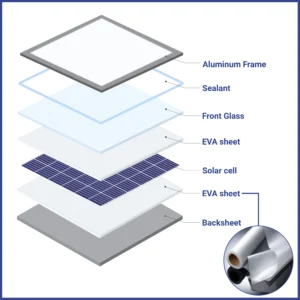
EPE encapsulant consists of a thin layer of POE sandwiched between two layers of EVA. This structure is manufactured via coextrusion, ensuring precise control over the encapsulation process. Each layer serves a specific purpose:

Outer EVA Layers: These layers provide enhanced adhesion to both the solar cells and the glass cover of the PV module.

Central POE Layer: The POE layer acts as a superior water vapor barrier, significantly improving anti-PID performance. This layer serves as a critical defense against moisture ingression, a common challenge faced by traditional encapsulants.

To prevent acid formation, specially developed acid-free EVA is used in EPE configurations. The result is a highly effective encapsulation material that combines the adhesive properties of EVA, the water vapor resistance of POE, and superior anti-PID performance.

Lamination Time

One significant advantage of EPE is its lamination time, which strikes a balance between that of EVA and single-layer POE. While EVA requires approximately 600 seconds for lamination, single-layer POE needs only about 300 seconds. EPE, on the other hand, optimizes the process with a lamination time of approximately 450 seconds. This not only enhances the efficiency of the manufacturing process but also addresses one of the drawbacks of traditional POE.

Expanding Applications of EPE in Modern Cell Architectures

One significant advantage of EPE is its lamination time, which strikes a balance between that of EVA and single-layer POE. While EVA requires approximately 600 seconds for lamination, single-layer POE needs only about 300 seconds. EPE, on the other hand, optimizes the process with a lamination time of approximately 450 seconds. This not only enhances the efficiency of the manufacturing process but also addresses one of the drawbacks of traditional POE.

TOPCon Cells

TOPCon cells, known for their high efficiency, do have specific requirements when it comes to encapsulation. These cells are more sensitive to moisture ingress compared to PERC cells. Therefore, EPE is an excellent choice for encapsulating TOPCon bifacial modules. Its superior water vapor barrier properties make it an ideal match for these advanced cell architectures.

HJT Cells

HJT cells, which utilize Tunnel Oxide Passivated Contact technology on both sides, present unique challenges in terms of adhesion. While they exhibit low adhesivity with POE, they have good adhesion with EVA. However, EVA alone may not provide the required moisture barrier for the long term. This is where EPE comes into play.

Glass-Glass Modules

EPE encapsulant is particularly well-suited for Glass-Glass solar panels that utilize PERC, TOPCon, or HJT cells. These modules benefit from EPE’s enhanced anti-PID properties and superior water vapor barrier.

For Glass-Glass modules, it’s often recommended to use POE on both sides to maximize performance. However, this approach may not be ideal for passing the damp heat test due to poor adhesion to glass, Additionally, due to the current shortage of EVA raw materials, some companies are seriously considering the possibility of employing EPE encapsulant on the front side as well.

Cost Considerations

The cost of EPE encapsulant depends on the raw material prices of EVA and POE. Generally, the raw material price of POE is higher than that of EVA. However, the prices of EVA resin are currently very high and volatile due to supply shortages. Manufacturing EPE is slightly costlier than producing a single film because of the complexity of the coextrusion process. The waste generated during edge trims cannot be recycled, adding to production costs. In the end, the price difference mainly hinges on the resin prices of EVA and POE.

Conclusion

The development of the co-extruded multilayer structure EVA-POE-EVA (EPE) encapsulant represents a significant advancement in the field of solar PV module technology. By combining the strengths of both EVA and POE, encapsulation material suppliers have addressed critical limitations, providing an effective solution for bifacial modules and modern cell architectures like TOPCon and HJT. EPE’s ability to offer superior water vapor resistance, anti-PID performance, and adhesion properties makes it a promising choice for the future of solar energy generation. As the solar industry continues to evolve, EPE encapsulant is likely to play an increasingly central role in enhancing the efficiency and durability of solar PV modules, ultimately contributing to a more sustainable and cleaner energy future.

Topcon Technology: The Next Big Thing in Solar

Topcon Technology: The Next Big Thing in Solar

In the ever-evolving world of solar technology, innovation is the key to unlocking new possibilities and driving sustainable energy solutions. One name that has been making waves in the industry is “Topcon Technology.” This cutting-edge innovation is on the brink of transforming the solar landscape, offering the potential to revolutionize how we capture the sun’s energy.

What is Topcon Technology?

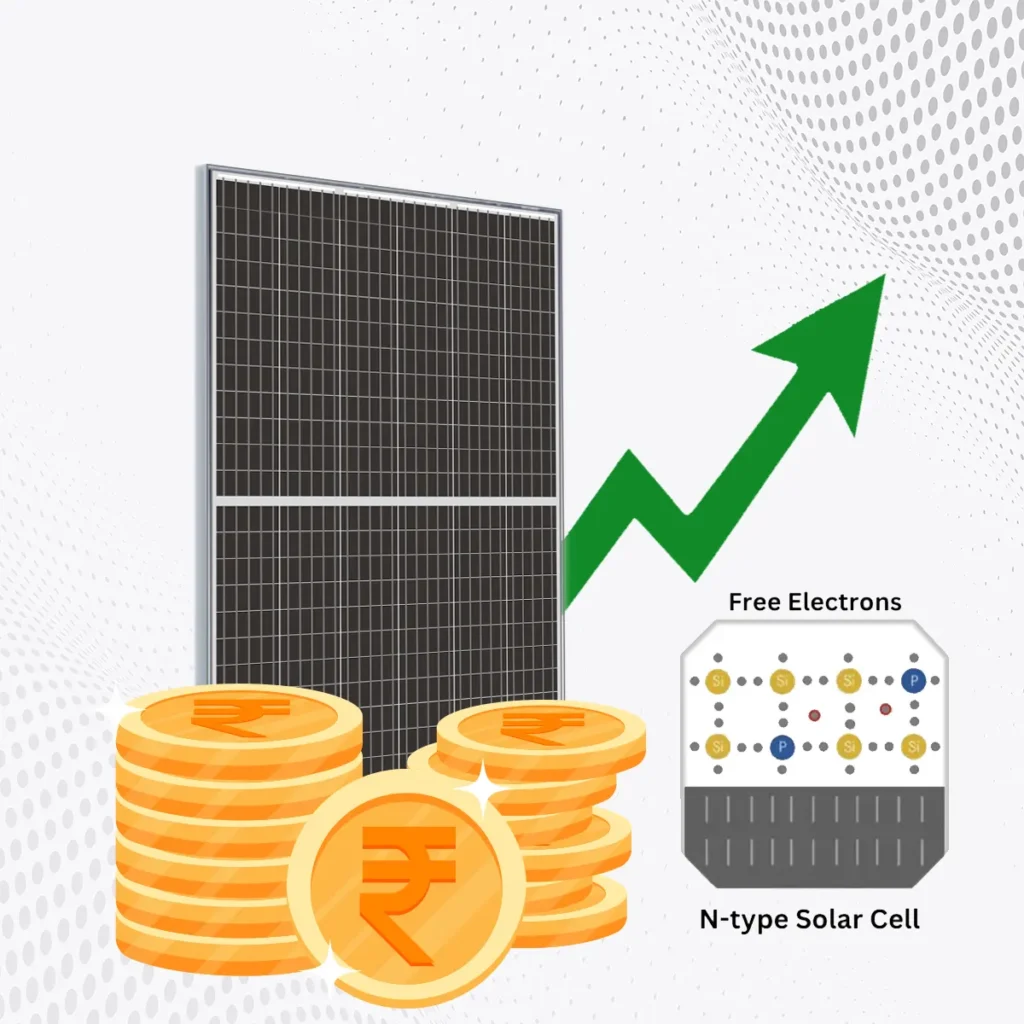
TOPCon technology falls under the category of N-type solar cells, which are crafted from silicon wafers. These silicon wafers undergo a doping process with specific chemicals to enhance their electricity production capabilities. The key distinction between N-type and P-type cells lies in the doping material employed. P-type cells are doped with boron, whereas N-type cells receive doping with phosphorus.

The use of phosphorus for doping offers several advantages over boron. One notable advantage is the resistance of phosphorus-doped cells to degradation caused by oxygen, which can be problematic for boron-doped cells. Additionally, phosphorus doping introduces free electrons into the silicon wafer, ultimately leading to improved efficiency.

Within the realm of N-type cells, various subcategories exist, including PERT, Topcon, HJT, and IBC. Among these, TOPCon (Tunnel Oxide Passivated Contact) cells take center stage as the primary representative, showcasing the cutting-edge potential of N-type technology in the solar industry.

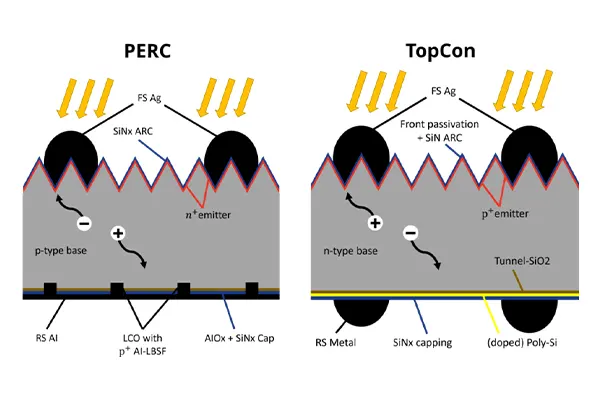
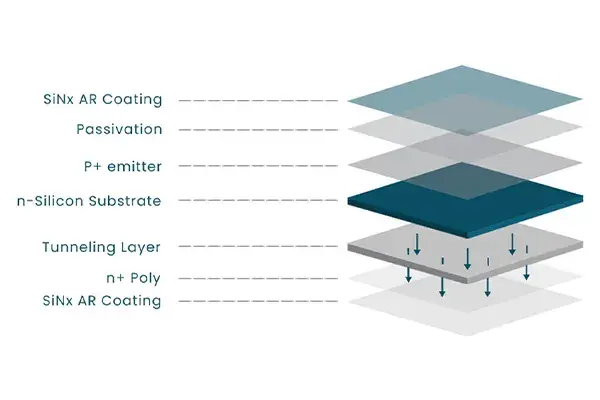
In the production of TOPCon cells, layers of tunnel oxide and polysilicon are applied to the rear side of the cell. This addition reinforces the cell’s capacity to manage elevated voltages, resulting in a substantial boost in power generation capabilities.

How Does Topcon Technology Work?

Sunlight penetrates the solar cell primarily from the top side (and, in the case of bifacial cells, also from the bottom side) and is absorbed within the silicon material.

The absorption of sunlight initiates the creation of electron-hole pairs. Specifically, the electrons within the valence band absorb the energy from the light, causing them to transition to a higher energy state known as the conduction band. In this state, electrons are free to move from one atom to another, not bound to any single atom. Concurrently, holes, essentially vacancies left behind in the valence band when electrons jump to the conduction band, are generated. These holes can be thought of as positive charge carriers, but they move within the valence band in the opposite direction to electrons.

At the junction where the P-type and N-type regions meet, an electric field exists. This electric field compels the photo-generated electrons to flow toward the N-type region and drives the corresponding holes into the P-type region. This separation of electrons from holes prevents them from recombining, which would otherwise result in a loss of generated light energy.

These photo-generated electrons, after crossing the P-N junction region, progress toward the underside of the N-type layer, ultimately reaching the rear contact.

Inside the bulk of the N-type layer, additional electron-hole pairs are also generated. If these holes accumulate near the rear contacts, they can lead to recombination, as the Metal-Silicon Contact region acts as a potent recombination center, causing a loss of photo-generated electrons.

Enter the concept of Tunnel Oxide Passivated Contact (TOPCON). A remarkably thin layer of SiO2 tunnel oxide, typically just 1-2 nanometers thick, functions as a selective gate, permitting only electrons to pass through to the rear side while blocking the movement of holes. Furthermore, the n+ polysilicon layer creates an electric field that attracts electrons while repelling holes. This dual mechanism ensures that a significant number of electrons reach the silver contacts on the bottom side, where they are collected by interconnect ribbons and directed into the external load circuit.

Key Benefits of Topcon Technology:

Manufacturing Process:

The production of TOPCon modules shares common machinery with P-type modules, eliminating the need for significant capital investments by manufacturers when transitioning to TOPCon cells.

Higher Efficiency:

TOPCon cells outperform P-type cells in converting sunlight, resulting in superior cell and module efficiency. TOPCon cells can achieve efficiency levels of up to 28%, surpassing the maximum efficiency of PERC cells, which typically hovers around 24%.

Lower Degradation:

Compared to PERC panels, TOPCon modules exhibit lower power degradation during their first year of use and over the course of 30 years of PV panel usage. This durability and sustained performance make TOPCon modules an attractive choice for long-term solar installations.

Lower Temperature Coefficient:

The temperature coefficient measures the percentage of power output reduction per degree of temperature increase in a solar panel. It significantly affects the power generation of PV modules in hot climates. TOPCon cells exhibit greater resistance to high temperatures, resulting in higher efficiency for TOPCon modules in hot environmental conditions compared to PERC modules.

Bifaciality Rate:

TOPCon cells demonstrate a more substantial increase in power generation for bifacial modules than PERC cells. This attribute holds increasing importance as bifacial solar modules gain popularity in the market, enhancing their overall appeal.

Low-Light Performance:

TOPCon modules exhibit superior efficiency in low-light conditions, extending the period of electricity generation during the day. This improved performance ensures better overall installation performance over time, especially in areas with varying light conditions or during cloudy days.

The Future of Solar Energy

As the world transitions towards clean and renewable energy sources, Topcon Technology stands out as a game-changer in the solar industry. Its ability to harness more energy from the sun with precision and efficiency is driving the next wave of innovation in sustainable power generation.

Incorporating Topcon Technology into solar installations is a step toward a more sustainable and energy-efficient future. With its impressive benefits, it’s no wonder that Topcon is gaining traction as the next big thing in solar technology.

Topcon Technology is a revolutionary approach to solar energy generation. Its ability to maximize energy output while minimizing environmental impact positions it as a formidable player in the quest for a greener, more sustainable world. As the solar industry continues to evolve, Topcon Technology is undoubtedly a significant milestone on the path to a brighter future.

Solar Connect November

Welcome to Solar Connect!

The Essence of Solar Fabrication

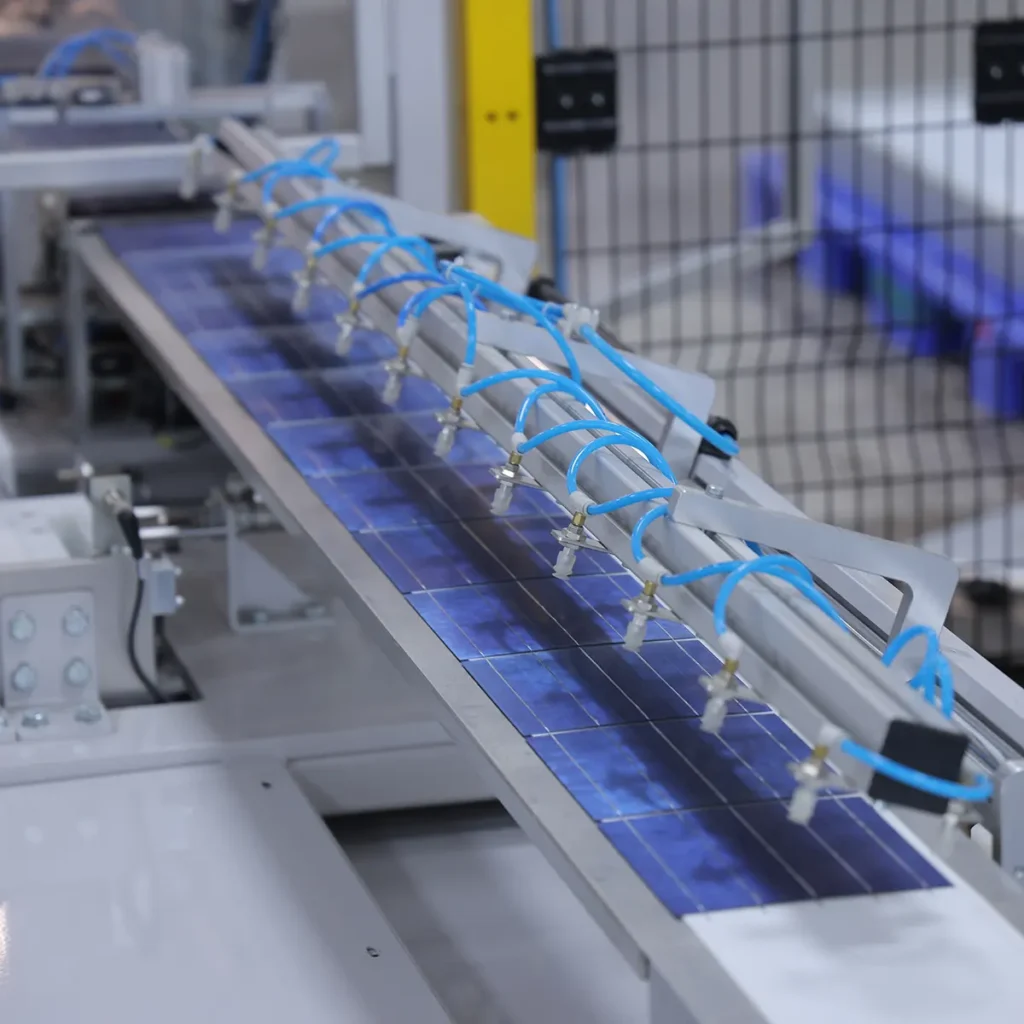
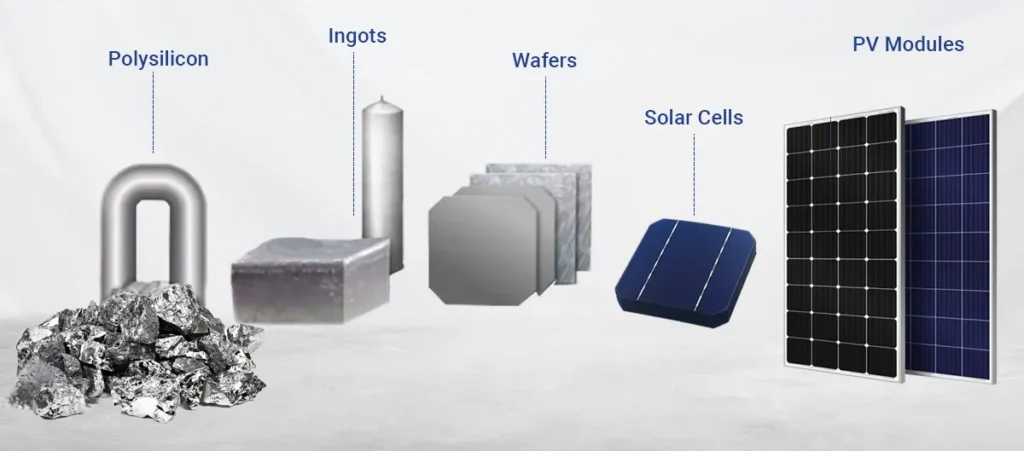
Solar manufacturing encompasses the process of fabricating and assembling various components within the solar energy production cycle, with the most prominent example being solar photovoltaic (PV) panels. These panels consist of multiple subcomponents such as wafers, cells, encapsulants, glass, backsheets, junction boxes, connectors, and frames.

Key Solar Fabrication Processes:

Silicon Ingot Growth: The process initiates with the creation of silicon ingots, cylindrical blocks of high-purity silicon that serve as the foundation for solar cells.

Wafer Slicing: The silicon ingots are sliced into thin wafers using diamond saws. These wafers act as the base material for individual solar cells.

Solar Cell Production: The wafers undergo treatments to form solar cells. This includes doping with specific materials, electrical contact creation, and the addition of an anti-reflective coating.

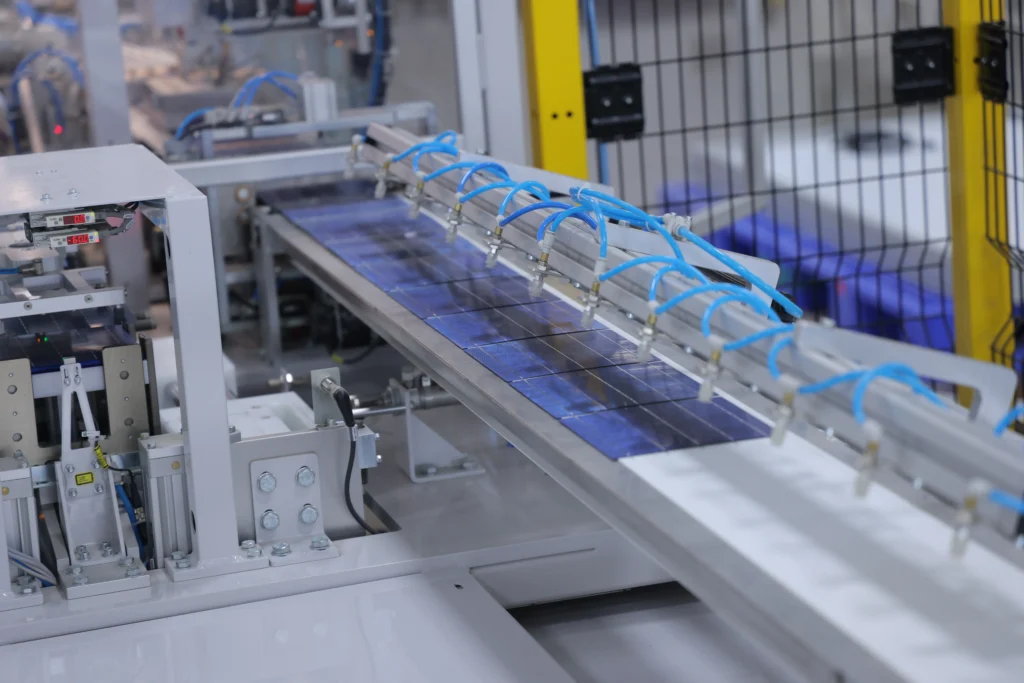
Assembly: Solar cells are interconnected and encapsulated to form a complete panel. Soldering, lamination, and protective layers are applied to ensure durability and performance.

Quality Control: Rigorous quality control measures are employed throughout the fabrication process to guarantee that each solar panel meets industry standards.

Significance of Solar Fabrication

Solar fabrication is pivotal for several reasons:

Scalability: It enables mass production of solar panels, making solar energy more accessible and cost-effective, thereby promoting its widespread adoption.

Energy Transition: Solar fabrication plays a crucial role in achieving renewable energy goals and reducing carbon emissions as the world shifts towards cleaner energy sources.

Job Creation: The industry generates employment opportunities in manufacturing, research, and quality control, contributing to economic growth.

Technological Advancements: Ongoing research in solar fabrication leads to continuous improvements in solar panel efficiency, durability, and cost-effectiveness.

Solar fabrication is the linchpin of the solar energy sector, responsible for producing solar panels that harness sunlight and convert it into electricity. Its intricate processes pave the way for clean and renewable energy adoption, contributing to a sustainable future. In a world increasingly focused on environmental responsibility and combating climate change, the role of solar fabrication in shaping our energy landscape is paramount.

Nurturing November

As November ushers in the festive season, we are delighted to bring you the latest updates and exciting news from the world of solar energy. This month’s newsletter is filled with Diwali wishes, New Year greetings, sustainability challenges, and an accolade for our director. So, let’s dive right in!

Glitz & Glitters:

We extend our warmest Diwali and New Year wishes to all our valued readers and stakeholders. May the festival of lights illuminate your lives with joy, happiness, and prosperity. As we step into the new year, let’s continue to work together towards a brighter, sustainable future.

7-Day Green Sustainability Challenge:

Our “7-Day Green Sustainability Challenge” garnered great success on social media! Each day, we shared one sustainable practice for a week, encouraging and motivating participants to adopt eco-friendly habits. Those who completed their sustainability acts were rewarded with sustainable hampers.


What is Solar Battery Storage And How It Works?

What is Solar Battery Storage And How It Works?

Exploring Solar Battery Storage and How It Works

In an era defined by the quest for renewable energy sources and sustainable living, solar power has emerged as a game-changer. The sun, an eternal source of energy, is now being tapped to power homes, businesses, and even entire communities. Solar panels have become a common sight on rooftops, but the story doesn’t end there. The next chapter in the solar revolution is written by solar battery storage systems, which are transforming the way we use and manage solar energy.

What is Solar Battery Storage?

Solar battery storage is a technology that allows excess energy generated by solar panels to be stored for later use, rather than being immediately consumed or fed back into the grid. Traditional solar power systems without battery storage can only provide electricity when the sun is shining. But with solar battery storage, the excess energy produced during sunny hours is stored in batteries for use during cloudy days, nighttime, or peak demand periods. This enhances the efficiency, reliability, and overall benefits of solar energy systems.

How Does Solar Battery Storage Work?

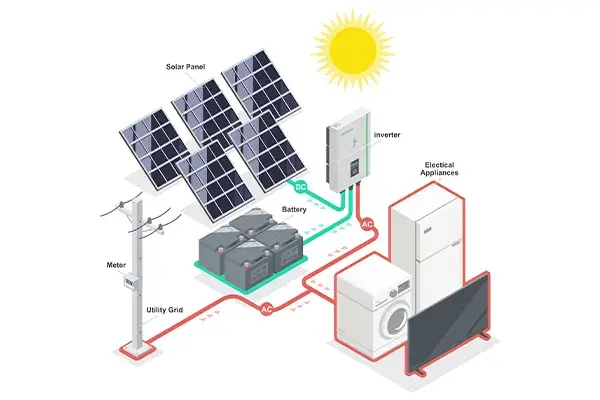
The operation of a solar battery storage system is a fascinating dance between photovoltaic panels, inverters, and batteries. Here’s a step-by-step breakdown of how it all comes together:

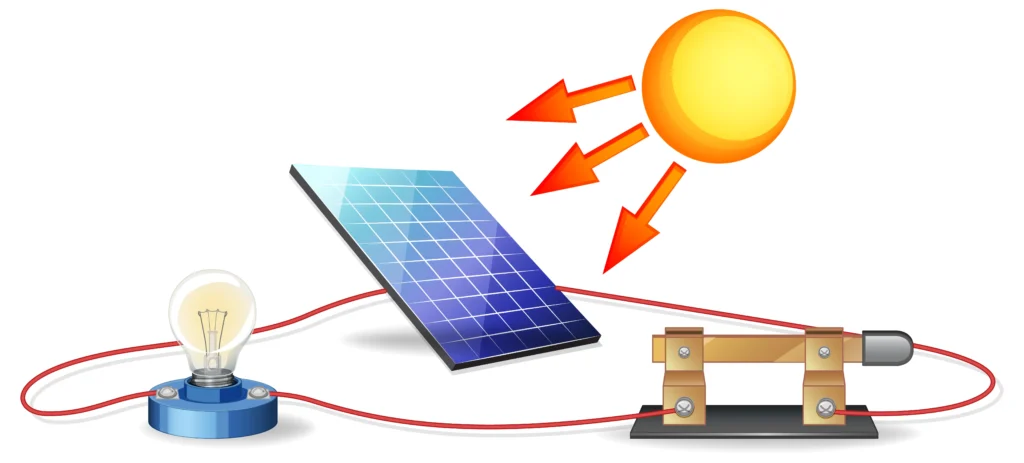
Solar Panels Generate Electricity: Photovoltaic (PV) solar panels absorb sunlight and convert it into direct current (DC) electricity through the photovoltaic effect.

Inverter Converts DC to AC: The DC electricity generated by the solar panels is then sent to an inverter. The inverter’s primary role is to convert DC electricity into alternating current (AC), which is the type of electricity used in homes and businesses.

Powering Your Home and Feeding the Grid: The AC electricity produced by the inverter powers your home’s electrical needs. If the solar panels generate more electricity than you’re consuming, the excess energy can be sent back to the grid.

Charging the Batteries: When your solar panels generate more energy than your immediate needs, the surplus electricity is directed to charge the solar batteries. These batteries can be lithium-ion, lead-acid, or other types designed for energy storage.

Using Stored Energy: During periods when your solar panels are not generating enough electricity (such as at night or on cloudy days), you can draw power from the stored energy in the batteries. This allows you to rely less on the grid and maximize your self-consumption of solar energy.

Backup Power: Some solar battery storage systems are designed with backup functionality. In the event of a power outage, these systems can automatically switch to battery power, ensuring that critical appliances and devices remain functional.

Optimizing Energy Use: Advanced solar battery systems can also be integrated with smart energy management systems. These systems use real-time data and predictive algorithms to optimize when to charge and discharge the batteries based on electricity rates, weather forecasts, and your usage patterns.

Benefits of Solar Battery Storage

Energy Independence

Solar battery storage enables greater self-sufficiency by reducing reliance on external energy sources and providing power during grid outages.

Maximized Solar Utilization

With battery storage, you can use a higher percentage of the solar energy you generate, rather than exporting it back to the grid.

Peak Demand Management

During peak demand periods when electricity prices are high, you can draw on stored energy rather than purchasing electricity from the grid.

Environmental Impact

Solar battery storage helps reduce greenhouse gas emissions by increasing the overall efficiency and utilization of renewable energy.

Grid Support

By storing excess energy during off-peak hours and releasing it during peak hours, solar battery systems can alleviate strain on the grid.

Looking Forward: The Future of Solar Battery Storage

As technology continues to advance, the efficiency and affordability of solar battery storage systems are likely to improve. This will make them even more accessible to homeowners and businesses, fostering a more sustainable and decentralized energy landscape. Additionally, the integration of artificial intelligence and smart home technologies will enhance the optimization and management of energy storage, allowing individuals to make the most of their solar investments.

In conclusion, solar battery storage is a pivotal innovation that complements the solar energy revolution. By storing surplus energy generated during sunny periods, these systems empower individuals to harness the sun’s energy around the clock. As the world embraces cleaner and more sustainable energy solutions, solar battery storage stands as a shining example of the boundless potential of renewable technologies.