Solar Progress

Introduction to Grid Synchronization in Solar Systems

As the world increasingly shifts towards renewable energy , grid synchronization has emerged as a critical element in the integration of solar energy systems into existing power grids. For homeowners and industries alike, understanding this process ensures optimal performance and reliability. Whether you’re exploring solar panels for home use or advanced photovoltaic panels, grid synchronization is key to maximizing solar energy’s potential.

What is Grid Synchronization?

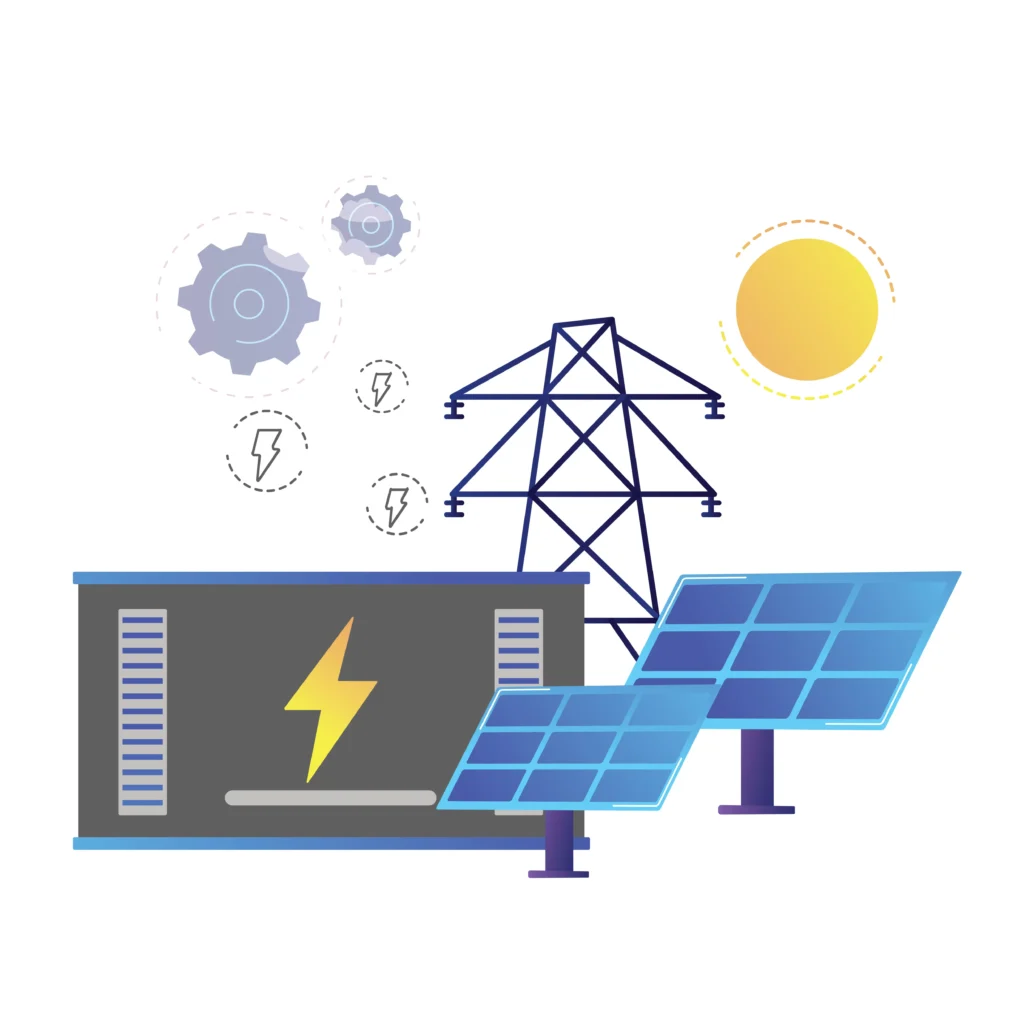
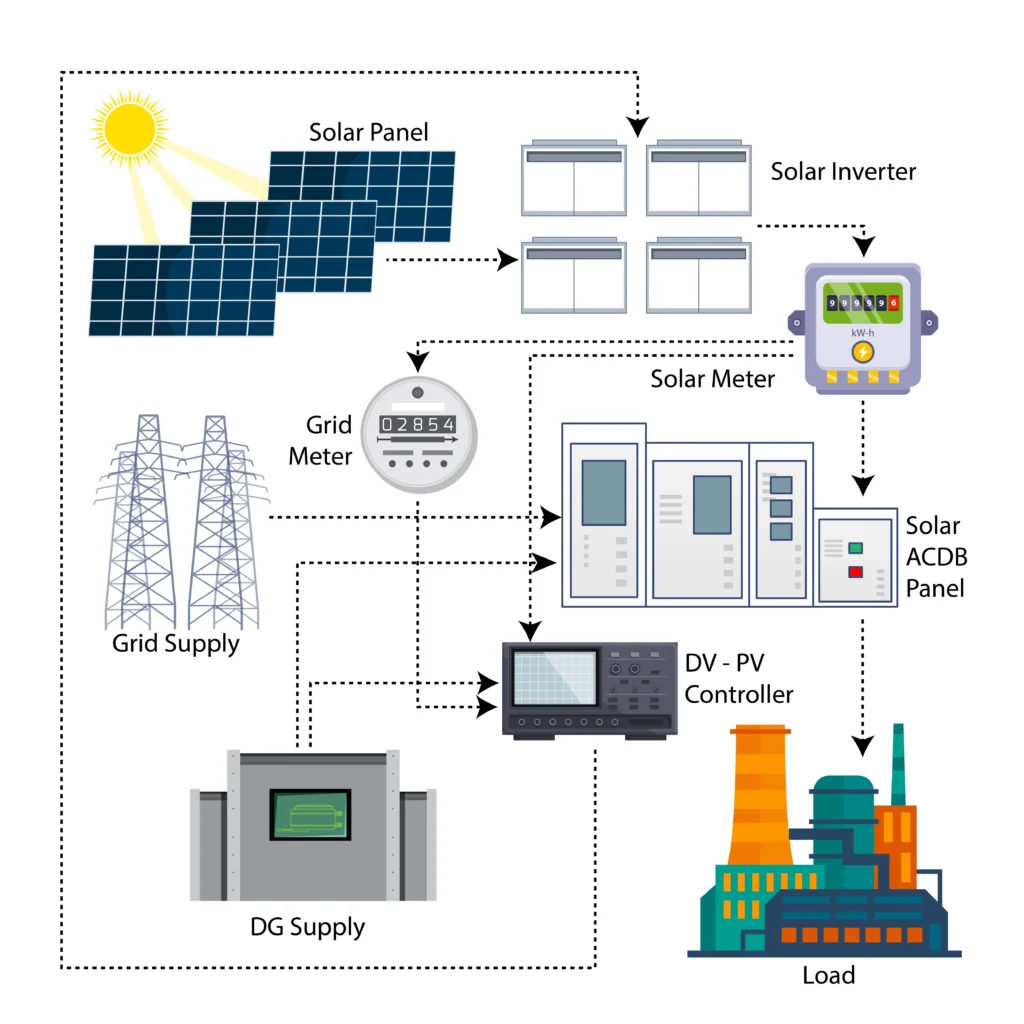
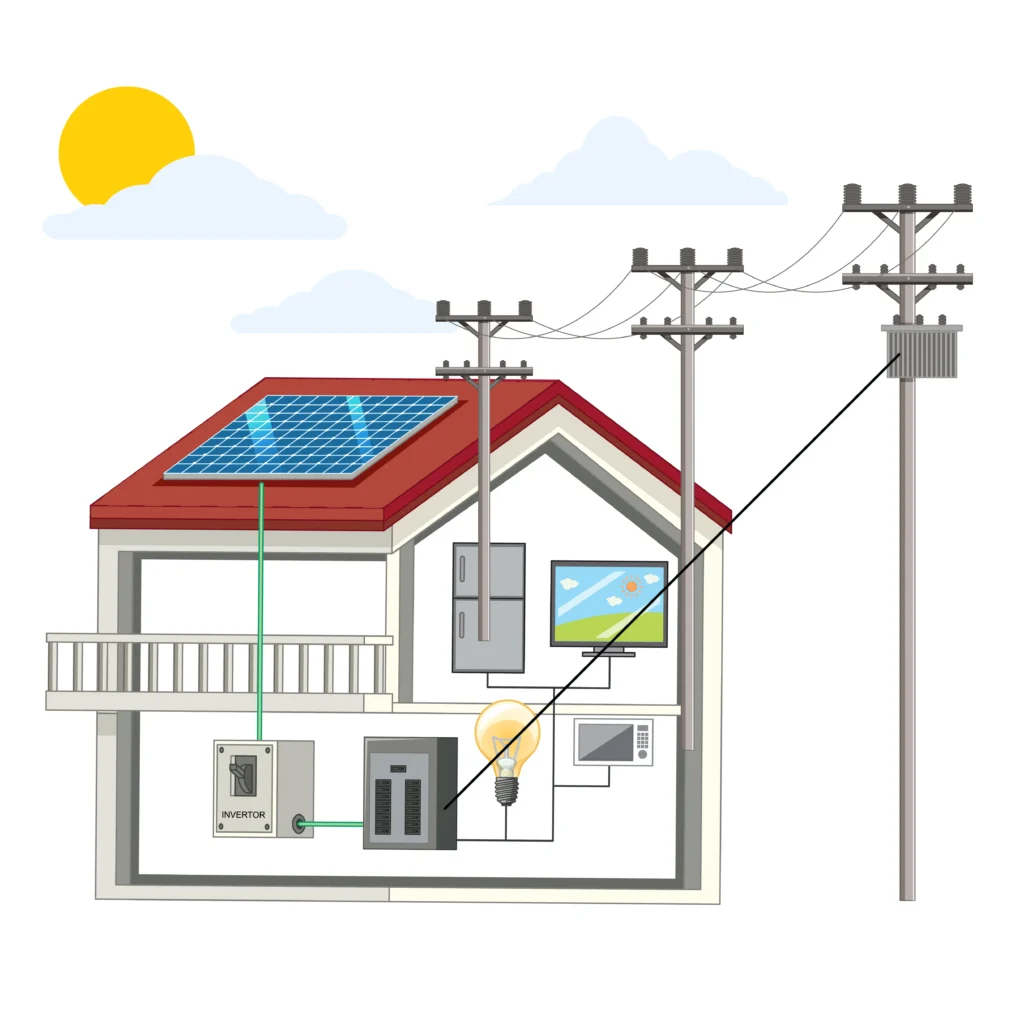
Grid synchronization is the process of aligning a solar power system with the main electricity grid. This involves matching the voltage, frequency, and phase of the solar-generated electricity with the grid’s parameters. Without proper synchronization, the system cannot transfer power efficiently or safely.

For solar energy systems using photovoltaic technologies, effective grid synchronization ensures stable power delivery and enhances overall system reliability.
Key Components of Grid Synchronization in Solar Systems

Grid: The electrical grid is an intricate system that links power generation plants to consumers across vast regions. Operating on AC electricity at standard voltage and frequency levels, it serves as the essential framework for delivering electricity to homes, businesses, and industries.

Inverters: The inverter plays a crucial role in converting DC electricity from solar panels into AC electricity compatible with the grid. Advanced inverters automatically adjust output to match grid parameters, ensuring seamless integration.

Solar Module Structure: A robust solar module structure is essential for reliable operation. Solar module manufacturers design these structures to withstand environmental factors while ensuring optimal energy generation.

Monitoring Systems: Modern monitoring systems track energy production and grid alignment, providing insights into system performance. These systems also alert users to any synchronization issues.

Control Systems: Control systems manage the synchronization process, adjusting parameters like voltage and frequency to ensure a smooth flow of energy.

Why is Grid Synchronization Important?

Grid synchronization is crucial for ensuring safety, efficiency, and reliability. It enables the solar system to operate securely and comply with regulations, facilitating seamless power exchange between the system and the grid. This integration enhances the grid’s performance by incorporating renewable energy into the power supply.

Ensures Safety: Proper synchronization prevents power surges and fluctuations, safeguarding both the solar system and the grid infrastructure.

Maximizes Efficiency: By aligning with the grid’s specifications, solar systems can operate at peak efficiency, reducing energy waste.

Facilitates Energy Export: Grid synchronization enables homeowners and businesses to export excess energy generated by their solar panels for home use, contributing to a sustainable energy ecosystem.

Supports Grid Stability: A synchronized system helps maintain grid stability by ensuring a steady supply of electricity during varying demand.

Steps for Grid Synchronization in Solar Systems

Solar inverters are designed to align seamlessly with the electric grid, ensuring efficient integration of solar systems. This enables the smooth transfer of renewable energy into the grid.

Synchroscope Grid Synchronization Method: This technique utilizes a device called a synchroscope to monitor whether a solar system aligns with the grid. Once alignment is confirmed, the inverter adjusts itself to synchronize seamlessly with the grid.

Two Bright, One Dark Grid Synchronization Method: In this method, the solar inverter modifies its voltage until two lamps appear bright and one remains dark. This configuration indicates that the inverter is synchronized with the grid.

Three Dark Lamps Grid Synchronization Method: This method involves three lamps, where the inverter adjusts its voltage until all three lamps go dark simultaneously. This alignment confirms the inverter’s synchronization with the grid.

These synchronization methods ensure solar systems integrate effectively with the grid, enabling the smooth transfer of renewable energy.
 

Applications of Grid-Synchronized Solar Systems

Residential Use: Homeowners can reduce electricity bills and achieve energy independence by installing grid-synchronized solar panels for home use.

Commercial Use: Businesses benefit from lower operational costs and enhanced sustainability by integrating solar energy into their operations.

Utility-Scale Projects: Large-scale solar farms rely on grid synchronization to contribute renewable energy to the national grid effectively.

Energy Management: In grid-synchronized solar systems, inverters efficiently manage energy loads by prioritizing critical loads and optimizing the use of solar power.

Grid Support: Advanced inverters enhance grid stability and resilience by regulating voltage and controlling frequency, contributing to a more reliable energy network.

The Role of Solar Panel Manufacturers in Grid Synchronization

Solar panel manufacturers play a pivotal role in ensuring that their products are compatible with grid synchronization requirements. By designing advanced photovoltaic panels, they facilitate seamless integration into the grid. Additionally, these manufacturers collaborate with system integrators to optimize system designs for specific applications.

Future Trends in Grid Synchronization Technology

With advancements in technology, grid synchronization is becoming more efficient and user-friendly. Innovations such as smart inverters, AI-driven monitoring systems, and enhanced solar module structures are set to revolutionize the way solar systems interact with the grid.

Photovoltaic panels manufacturers are also focusing on producing smarter and more adaptable modules to meet the growing demand for renewable energy.
Wrapping Up

Grid synchronization is an essential aspect of harnessing solar energy effectively. By understanding its significance and choosing the right components, including high-quality solar panels and robust solar module structures, users can ensure optimal performance and contribute to a greener future.

As leading solar panel manufacturers continue to innovate, the integration of solar systems with the grid will become even more efficient, making solar energy accessible to all. Ready to power your home or business with synchronized solar energy? Visit PIXON to explore cutting-edge solutions tailored to your needs.

Explore our range of advanced solar panels and take the first step towards a sustainable future. Contact us today!

Harnessing the Power of the Sun: How Solar Power Plants Are Designed

As the world transitions toward renewable energy, solar power plants are leading the way in sustainable energy production. But what goes into designing a solar power plant that delivers efficiency and sustainability? From selecting high-quality solar panels to planning module mounting structures, each step involves precision, expertise, and the latest technology.


What is a Solar PV System?

A solar photovoltaic (PV) system is a renewable energy solution designed to generate electricity directly from sunlight using photovoltaic technology. These systems consist of several key components:

Solar panels: Transform sunlight into clean, renewable electrical energy.

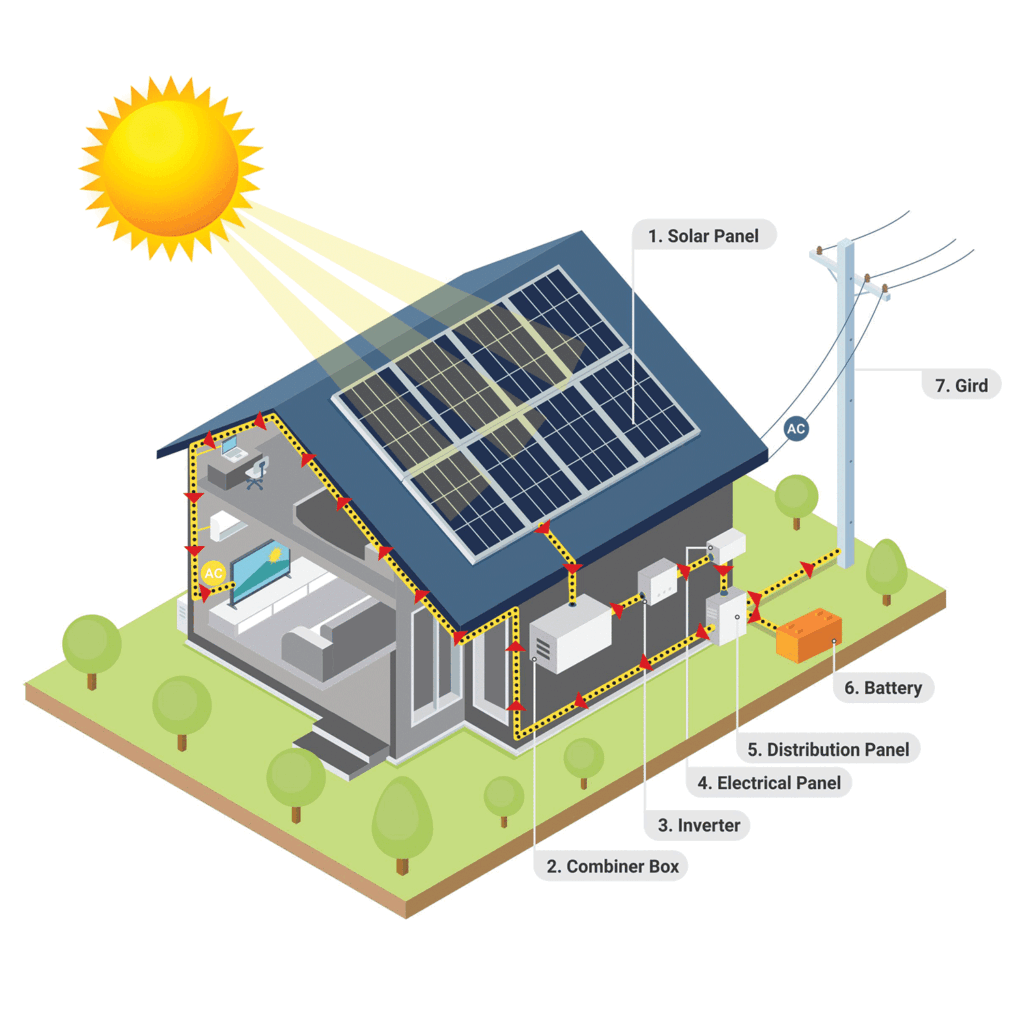
Solar inverter: Transforms the direct current (DC) produced by solar panels into alternating current (AC) for use in homes or businesses.

Mounting structures and cabling: Secure the panels and facilitate energy transfer within the system.

Additional features (optional): Integrated batteries for energy storage and solar tracking technology to enhance efficiency by optimizing sunlight capture.

Unlike solar technologies used for heating or cooling—such as concentrated solar power or solar thermal systems—PV systems convert sunlight directly into electricity.

Solar PV systems are available in a range of sizes:

Small systems: Rooftop-mounted or building-integrated solutions, typically ranging from a few kilowatts to several tens of kilowatts.

Large-scale systems: Utility-scale power plants capable of producing hundreds of megawatts of electricity.

The majority of PV systems today are connected to the electrical grid, while off-grid or stand-alone systems make up a smaller segment of the market. These versatile systems are vital in the transition toward cleaner, more sustainable energy sources.

Now, let’s discover the essential stages of constructing a successful utility-scale solar power plant, from site selection and design to procurement, installation, and commissioning. This comprehensive guide ensures every step is executed seamlessly for optimal performance and sustainability.


Understanding the Energy Requirements and Site Analysis

Choosing the right location for a solar power plant is a complex yet crucial step in ensuring the project’s success. Here’s what you need to know:

Key Factors to Evaluate

Sunlight Exposure: The site must receive ample solar irradiance. Locations with higher exposure to sunlight are more suitable as they maximize electricity generation.

Land Topography: The land’s slope and orientation directly affect energy collection efficiency.

Grid Connectivity: Proximity to existing power grids is critical for reducing infrastructure costs and ensuring seamless electricity distribution.

Dos and Don’ts of Site Selection

Do: Conduct an environmental impact assessment to ensure the location does not disrupt local ecosystems or biodiversity.

Don’t: Ignore local regulations and zoning laws, as these can lead to costly delays or legal challenges.

Selecting an optimal site goes beyond technical feasibility. It requires balancing energy efficiency, environmental stewardship, and compliance with legal frameworks to lay a strong foundation for long-term success.

Accurate site analysis forms the foundation for selecting the right components and optimizing plant performance.

Choosing the Right Solar Modules

The way solar panels are installed plays a crucial role in maximizing energy generation. The factors like the sun’s position, the terrain, and surrounding elements to determine the ideal placement and tilt for the panels. By optimizing their orientation, we ensure they capture maximum sunlight throughout the day, leading to efficient and higher energy production.

The choice of modules significantly impacts energy output and efficiency. Leading solar panel manufacturers provide various types of panels, with monocrystalline modules being a preferred option due to their:

  • High energy conversion efficiency.
  • Sleek and compact design.
  • Durability and long lifespan.

Collaborating with experienced solar module manufacturers ensures access to cutting-edge technologies and reliable panels. Manufacturers in India are recognized for producing world-class photovoltaic solutions that meet global standards.


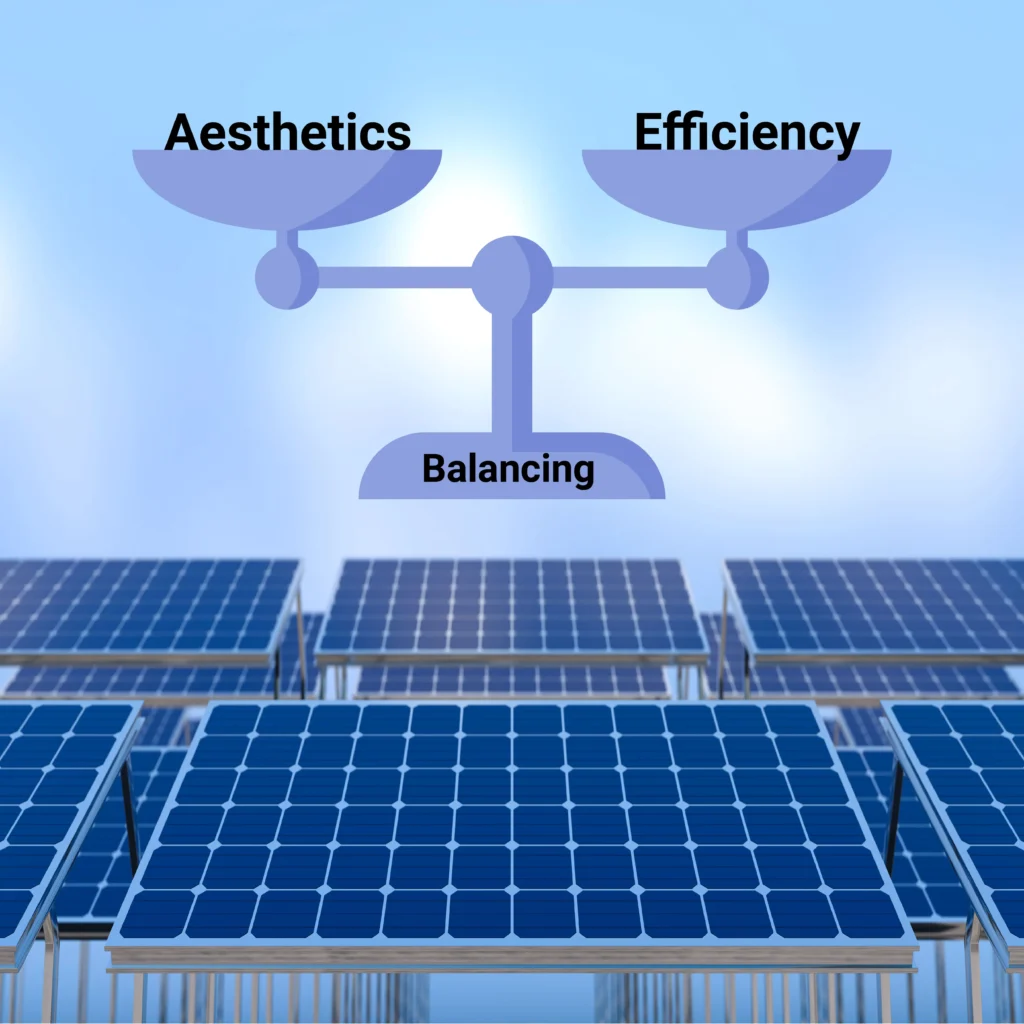
Balancing Aesthetics and Efficiency in Solar Plant Design

Mounting structures are essential for ensuring solar panels are positioned to capture maximum sunlight. Various types of mounting systems are used based on site requirements.

Striking the perfect balance between aesthetic appeal and functional efficiency is one of the key challenges in solar power plant design. Beyond simply arranging solar panels, the process involves maximizing energy production while harmonizing with the local landscape and community.

Key Considerations for an Effective Design

Assessing Energy Demand: Begin by evaluating the energy requirements the plant must fulfill. This analysis is crucial for determining the plant’s capacity and ensuring it meets long-term energy goals.

Panel Orientation and Tilt: Leverage advanced solar module mounting structures to optimize the panels’ orientation and tilt angle, capturing maximum sunlight and enhancing energy efficiency.

Incorporating Energy Storage: Integrating energy storage systems helps balance supply and demand, ensuring a consistent energy supply even during periods of low sunlight.

Adopting Hybrid Systems: Combine solar power with other renewable energy sources or storage solutions to improve reliability and overall system performance.

Utilizing Bifacial Panels: Use bifacial solar panels to capture sunlight from both sides, significantly increasing energy production and land use efficiency.

Designing a solar power plant requires a thoughtful blend of engineering, environmental science, and community collaboration. The goal is to create a sustainable energy system that not only meets present-day energy needs but also adapts to future demands and technological innovations. This comprehensive approach ensures both high efficiency and positive community impact.

Designing the Electrical Layout

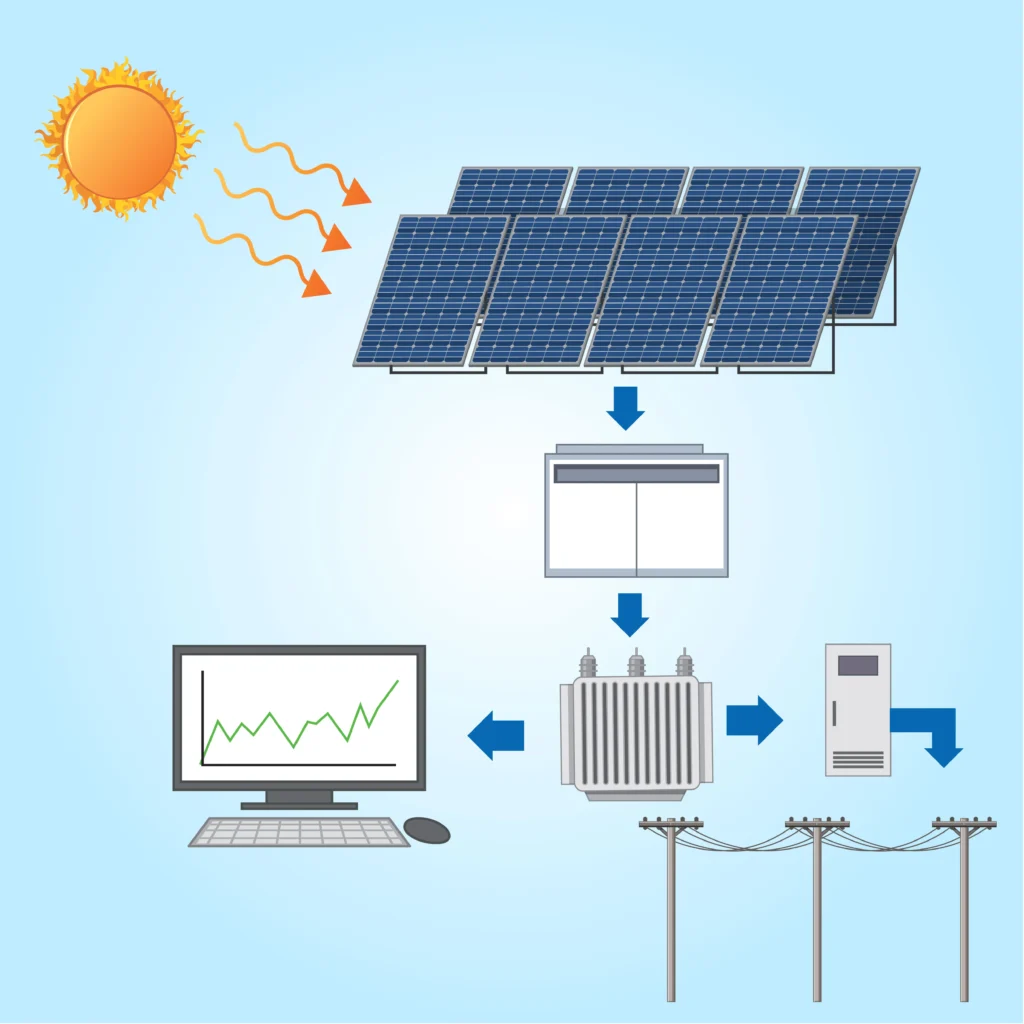
The electrical layout includes connecting modules, inverters, transformers, and other components to ensure efficient power conversion. Key considerations include:

String Configuration: Determining how solar modules are interconnected to optimize voltage and current levels.

Inverter Selection: Choosing inverters that match the energy output and efficiency of the system.

Grid Integration: Ensuring the plant seamlessly integrates with the local electricity grid for consistent energy delivery.

Collaborating with experienced photovoltaic panel manufacturers ensures each electrical component is of high quality and reliability.


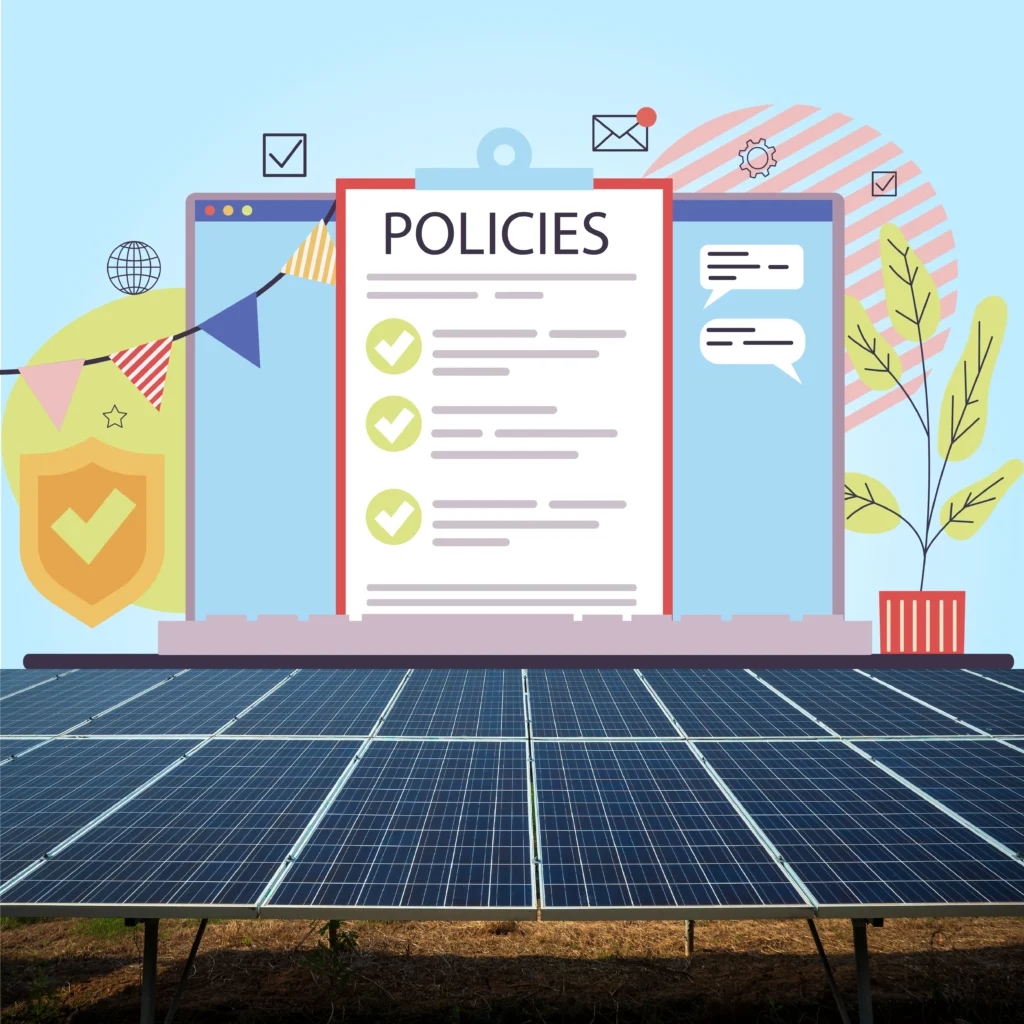
Ensuring Compliance and Permits

Secure Required Permits: Begin by obtaining all necessary permits from local and national authorities. This includes building permits, environmental clearances, and approvals for grid connectivity.

Understand Regional Regulations: Familiarize yourself with local rules related to land use, environmental conservation, and energy generation. Adhering to these regulations helps avoid legal complications and ensures a smooth project timeline.

Collaborate with Regulatory Authorities: Build strong relationships with regulatory bodies to streamline the approval process. Regular engagement can provide valuable guidance and support, ensuring compliance at every stage of the project.

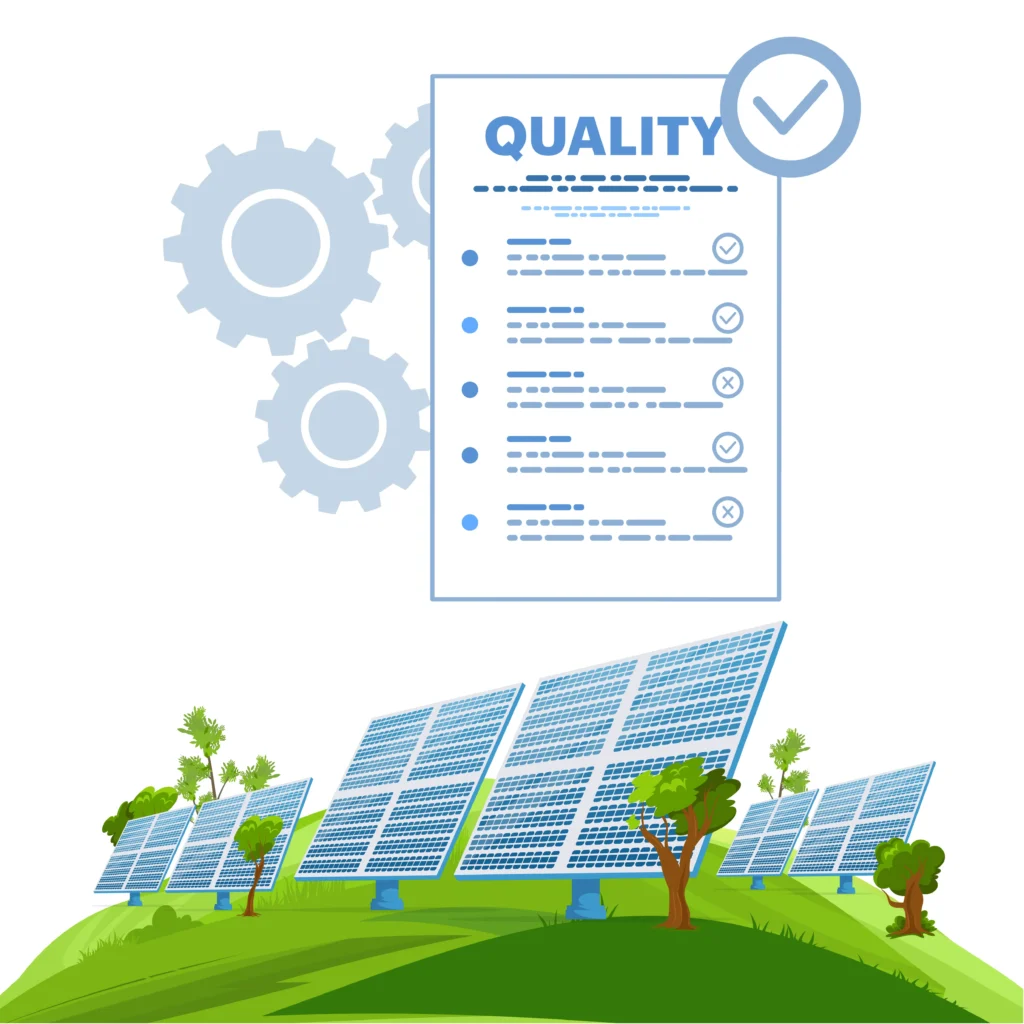
Quality Assurance and Testing

The performance and longevity of a solar power plant rely on the quality and dependability of its components.Reputable manufacturers perform extensive testing, including:

Thermal Cycling: Assessing how panels perform under varying temperatures.

UV Testing: Ensuring durability against long-term sun exposure.

Mechanical Load Testing: Verifying resistance to wind, snow, and other environmental stresses.

These quality assurance measures are critical to maximizing the lifespan and performance of solar plants.


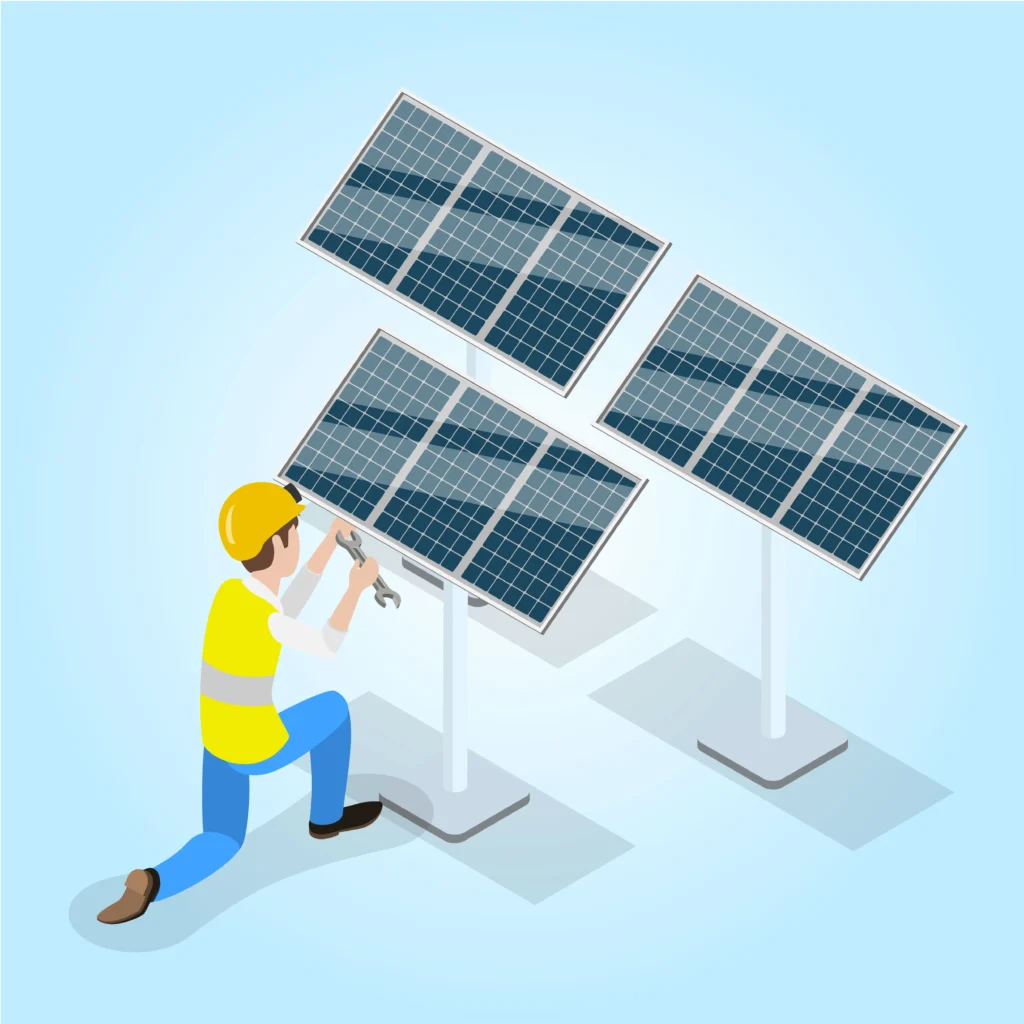
Installation and Commissioning

Once the design phase is complete, the installation begins. Skilled teams handle the mounting of panels, laying of electrical connections, and installation of auxiliary equipment. After installation, the plant undergoes a commissioning process, which includes:

  • Testing all components for functionality.
  • Ensuring seamless energy transfer to the grid.
  • Verifying overall system performance.
  • Proper installation and commissioning are vital to the long-term success of the project.

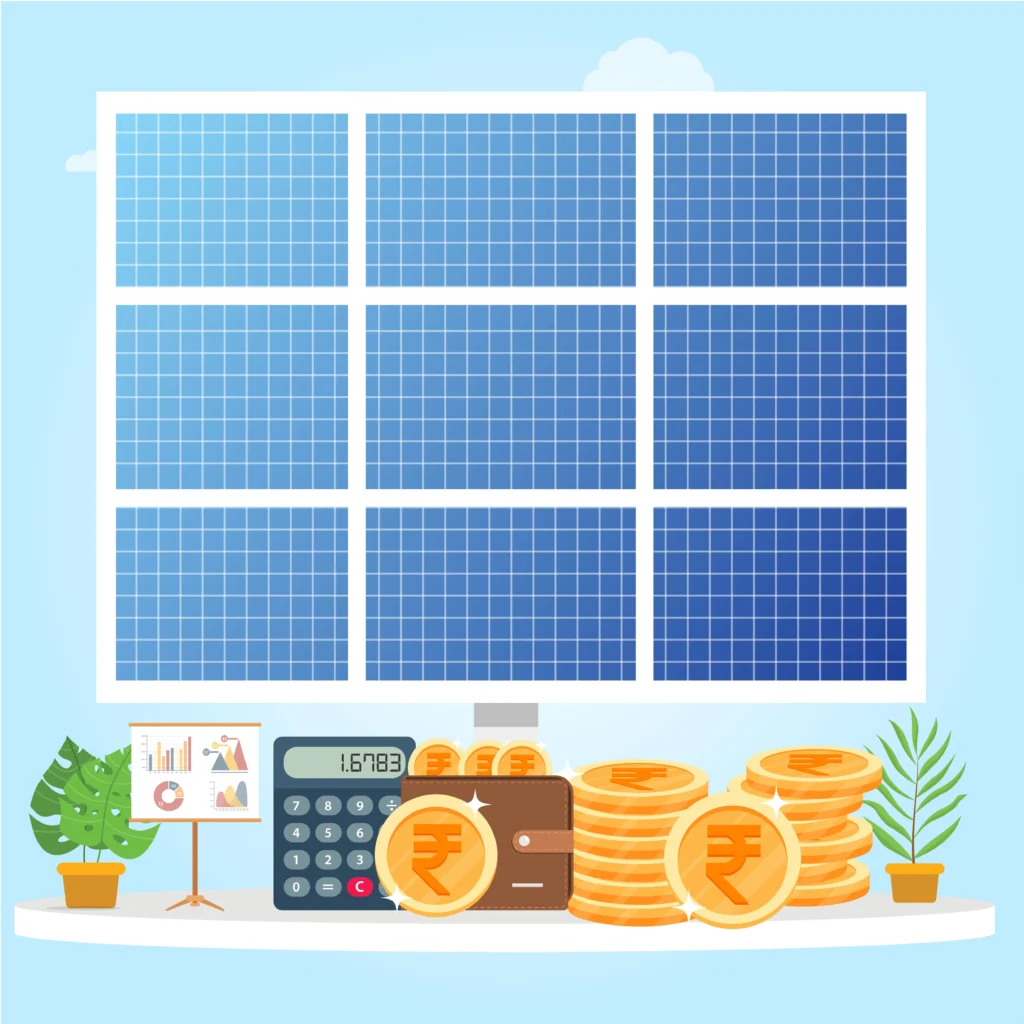
Financing and Ensuring Economic Viability for Solar Power Plants

The financial success of a solar power project hinges on a well-thought-out strategy that balances capital investment, operational sustainability, and revenue generation. A combination of smart financial planning, utilizing incentives, and understanding market trends is key to long-term viability.


Key Financial Considerations

Capital Costs and Financing: Establishing a solar power plant involves significant upfront investment. To ease the financial burden, explore funding options such as loans, grants, and private investments.

Operational Expenses: Although solar plants benefit from low operating costs, it is crucial to account for regular maintenance, occasional repairs, and future upgrades to ensure consistent performance and financial stability.

Revenue Models: Identifying the most profitable revenue streams is essential. Options include selling electricity to the grid, entering into power purchase agreements (PPAs), or utilizing net metering to maximize returns.


Benefits of Partnering with Leading Solar Panel Manufacturers

Here’s why working with top solar panel manufacturers in India is crucial:

Quality Assurance: Access to certified solar module manufacturers ensures durability and efficiency.

Innovation: Manufacturers offer the latest monocrystalline modules and technologies.

Support: Comprehensive assistance from design to commissioning.

How PIXON Leads the Way in Solar Energy

At PIXON, we specialize in delivering high-quality solar solutions. From cutting-edge monocrystalline modules to durable module mounting structures, our expertise ensures exceptional performance and sustainability.

Wrapping Up

Designing a solar power plant is a meticulous process that integrates advanced technology, precise engineering, and sustainable practices. By partnering with trusted solar panel manufacturers and leveraging innovative solutions like monocrystalline modules, you can create a solar power plant that meets energy needs efficiently and sustainably.

Power Your Future with Solar!

Discover our range of solar panels and energy solutions at PIXON. Partner with us to build a greener tomorrow. Contact us today for expert consultation and high-performance solar modules.

Solar Cell Encapsulation: Safeguarding the Lifespan of Solar Panels

Solar Cell Encapsulation and Its Importance

Solar energy has become a cornerstone of the renewable energy revolution, helping reduce carbon footprints globally. But what ensures that solar panels, exposed to harsh environmental conditions, perform efficiently throughout their lifespan? The answer lies in solar cell encapsulation. This critical process protects solar cells from moisture, UV rays, and temperature fluctuations, ensuring long-lasting performance and durability. In this newsletter, we’ll explore how solar cell encapsulation works, the materials used, and why it’s essential for the longevity of your solar panels.

Explore more about PIXON’s Solar Modules


What Is Solar Cell Encapsulation?

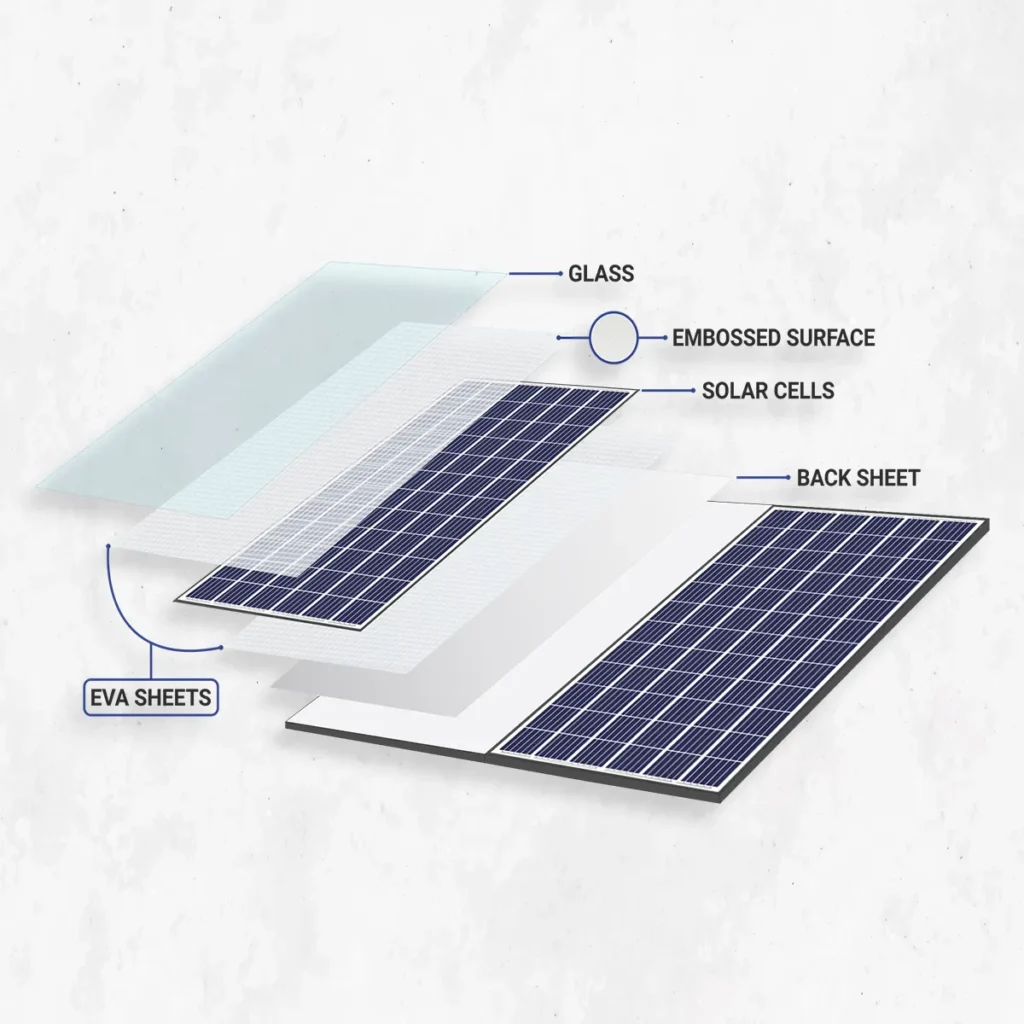
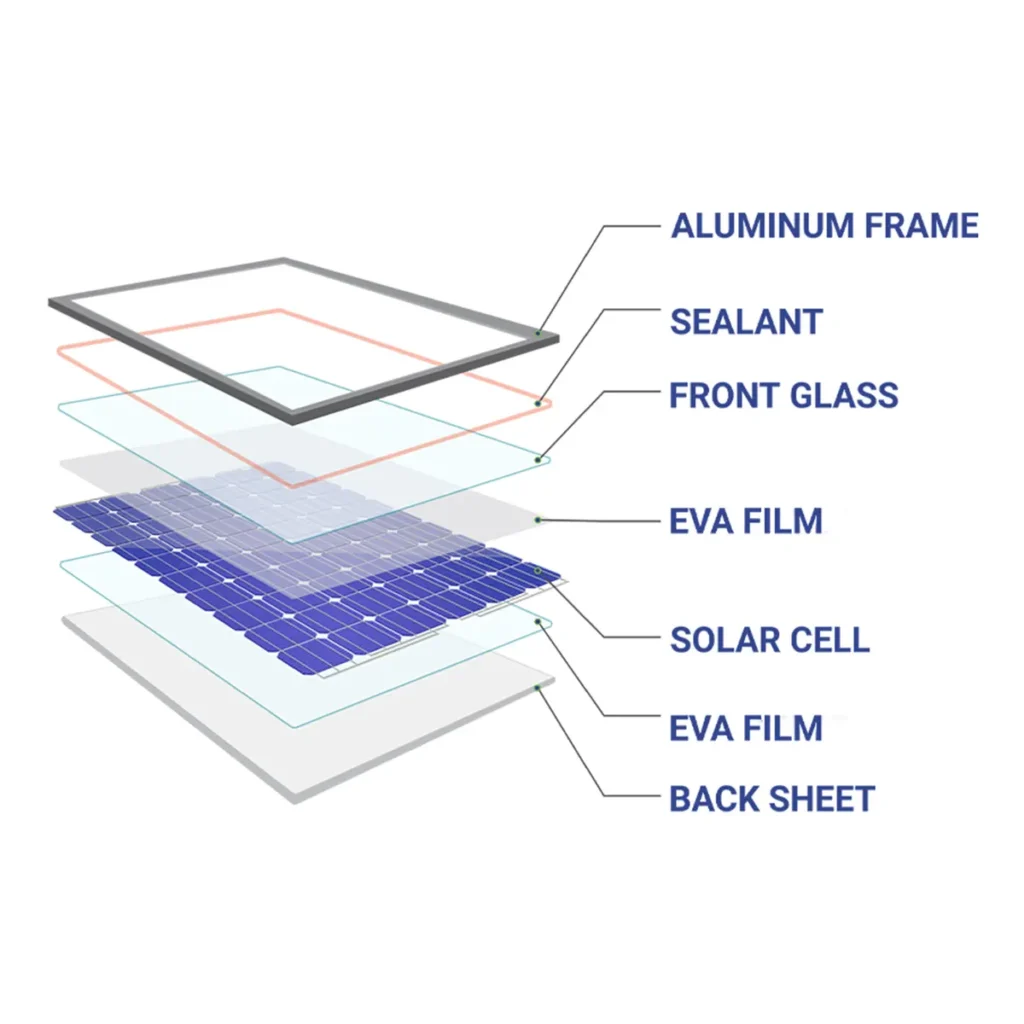
Solar cell encapsulation involves sealing solar cells within protective layers to shield them from environmental damage. Encapsulation prevents water ingress, shields the cells from mechanical stress, and enhances UV protection. The encapsulation process is essential to the efficiency and longevity of solar pv modules, making it a key focus for leading solar panel manufacturers.

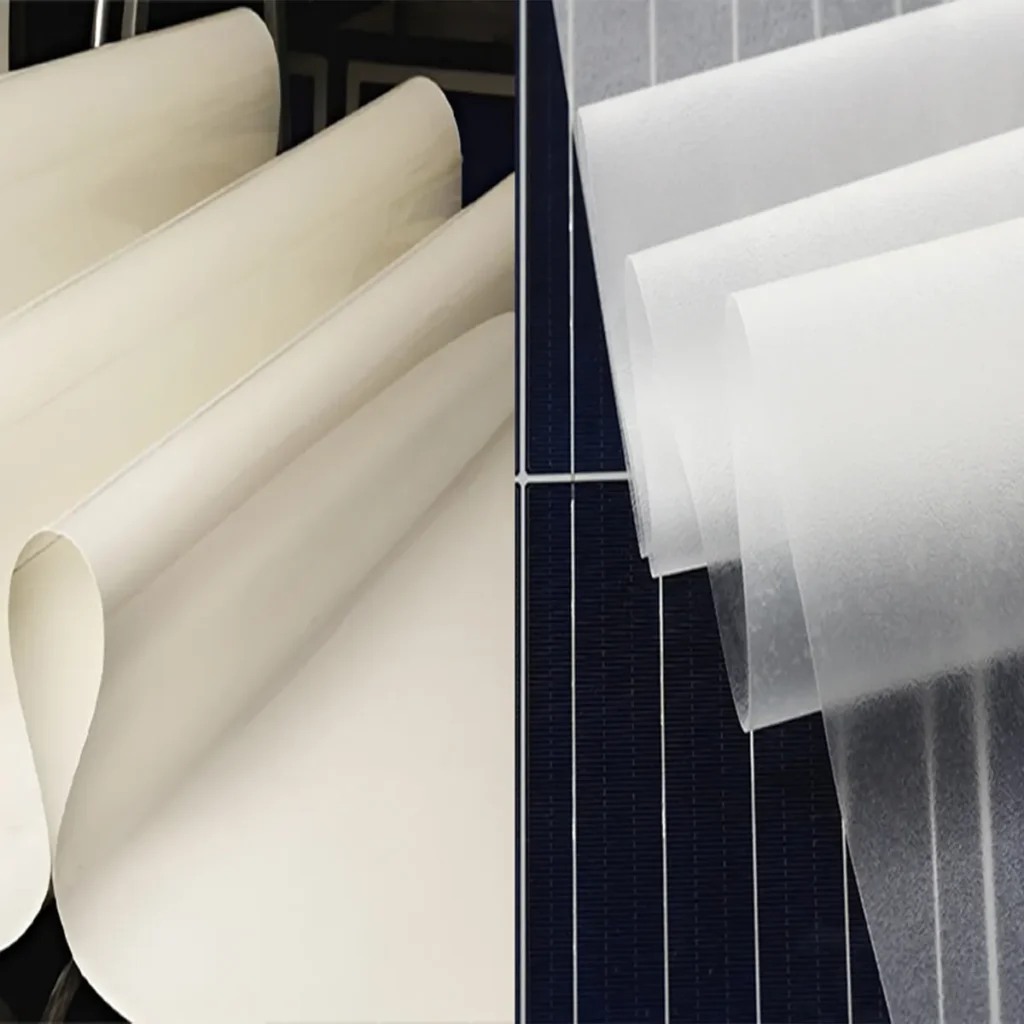
Materials like ethylene-vinyl acetate (EVA) and polyolefin elastomer (POE) are crucial in determining how well the solar panel resists degradation over time.

Materials Used in Solar Cell Encapsulation

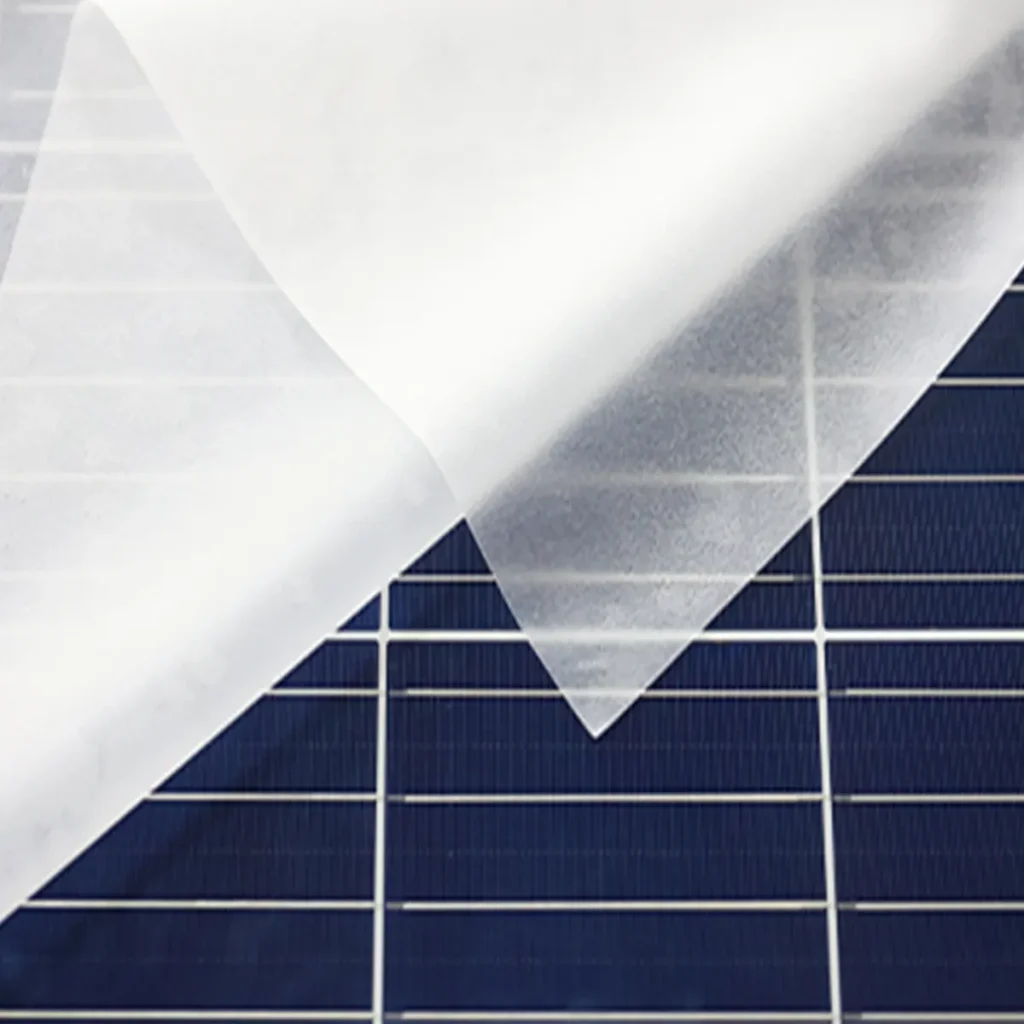
Ethylene Vinyl Acetate (EVA): EVA is one of the most widely used materials in solar panel encapsulation. It offers excellent transparency and adhesion, making it an ideal material for securing solar cells between layers of glass or backsheet. EVA also provides thermal stability, ensuring that the solar cells maintain their efficiency even under high temperatures. For high-quality EVA encapsulation, EVA film manufacturers have refined materials that enhance the performance and longevity of solar modules.

Polyolefin Elastomer (POE): POE is increasingly becoming a preferred material due to its enhanced resistance to moisture and UV radiation. Unlike EVA, which may degrade over time, POE provides better durability, especially in humid environments. This innovation is particularly vital for regions with frequent rain or high humidity levels. For more on the latest in new solar panel technologies, visit our product page.

Why Solar Cell Encapsulation Matters

Without proper encapsulation, solar cells are vulnerable to external factors such as temperature changes, humidity, UV exposure, and mechanical wear. These factors can degrade solar cells over time, reducing the panel’s energy output and overall lifespan. A well-encapsulated solar panel can withstand these challenges, ensuring efficient performance for decades. This makes solar encapsulation a key factor in safeguarding your investment in renewable energy, especially as demand for reliable solar pv modules rises.

Encapsulation also contributes to the structural integrity of the panel. It ensures that the solar cells are securely placed between the front glass and the backsheet, minimizing the risk of damage during handling and installation.

How Encapsulation Enhances Panel Durability

One of the critical roles of encapsulation is to prevent water ingress. Water can severely damage solar cells by causing short circuits or corrosion, significantly reducing the energy output. Materials like EVA and POE create a moisture barrier, ensuring that the cells remain dry even in wet environments. Furthermore, encapsulation protects against UV degradation, which can otherwise cause discoloration and reduce the panel’s efficiency over time.

Thermal Cycling Protection: Solar panels undergo constant thermal cycling due to day-night temperature changes. Encapsulation helps mitigate the stress caused by these temperature fluctuations, maintaining the panel’s structural integrity. With materials like POE, which offers better thermal resistance, solar panels can maintain higher efficiency, even in extreme temperature conditions.


The Evolution of Solar Encapsulation Materials

The evolution of encapsulation materials has greatly enhanced solar panel performance. In the past, photovoltaic panels manufacturers often encapsulated modules using EVA. However, the need for more advanced solutions has led to the rise of POE as a superior alternative. POE encapsulants offer better moisture resistance, reducing the risk of potential electrical faults caused by humidity.

Modern advancements in encapsulation technology also focus on faster curing times. Products like PIX FAST CURE , PIX Ultra Fast Cure improve production efficiency, allowing solar module manufacturers to create durable solar modules without compromising on quality.

To know more about evolution in solar encapsulation materials read our newsletter on Revolutionizing Solar Encapsulation- The Rise of EPE for Bifacial Modules and Advanced Cell Architectures.

The Role of Backsheets and Front Glass

In addition to encapsulants, backsheet and front glass selection play a pivotal role in protecting solar cells. Glass-to-glass modules, for example, offer superior protection by using two layers of tempered glass that surround the encapsulated solar cells. This design not only enhances durability but also increases the lifespan of the panel.

For a more detailed understanding of different types of solar modules, visit our blog on Choosing the High Quality Solar Panel for Your Needs.


Pros and Cons of Solar Cell Encapsulation

Solar cell encapsulation provides several benefits, enhancing both the durability and performance of solar panels. By shielding the panels from environmental factors like moisture, UV rays, and temperature fluctuations, encapsulation allows them to operate efficiently for extended periods.

Encapsulation materials, such as EVA, improve solar panel efficiency by minimizing light loss and maximizing light absorption, resulting in increased energy production. Additionally, encapsulation reinforces the panel structure, ensuring resilience, which is crucial for sustained performance.

However, encapsulation can add to the manufacturing costs of solar panels and can introduce some complexities in handling the materials. Certain materials may have adhesion challenges, degrade slowly, or discolor over time, requiring regular maintenance to ensure optimal panel performance.

Common Issues Prevented by Solar Encapsulation

Moisture Ingress: Water penetration can cause irreversible damage to solar cells, leading to corrosion and electrical faults. Encapsulation materials like POE provide a robust barrier against moisture, extending the panel’s operational life.

UV Degradation: Prolonged exposure to sunlight can cause materials to degrade over time. High-quality encapsulants ensure that solar cells remain protected from harmful UV rays, preventing the yellowing or degradation of the solar module’s surface.

Ensures Optical Clarity and Electrical Efficiency by Blocking Moisture: Moisture and dust accumulation on solar cells can obstruct sunlight and disrupt electrical transmission. Encapsulation solves this by offering a protective barrier that keeps moisture and dust away, ensuring optimal light absorption and electrical flow.

Preserves the Structural Integrity of Solar Panels: Encapsulation plays a key role in maintaining the structural stability of solar panels, preventing deformation over time. It safeguards the delicate solar cells from physical damage and environmental wear, ensuring long-term durability.

Protects and Maintains Solar Panel Performance: Proper encapsulation is essential for preserving both the efficiency and lifespan of solar panels. By shielding sensitive solar cells and electrical components, encapsulation helps sustain consistent performance and reliability over the years.


Ensuring Quality in Solar Module Encapsulation

Choosing the right manufacturer is critical to ensuring the encapsulation quality of your solar panels. When selecting a solar module manufacturer , consider factors such as manufacturing tenure, certifications, and material testing. At PIXON, we pride ourselves on using the highest-quality encapsulants and materials, providing our clients with durable and efficient solar solutions.

Wrapping Up:

Ready to Invest in High-Quality Solar Panels?
If you’re looking to invest in solar panels that will last for decades, ensuring top performance and durability, get in touch with us today. Our range of solar modules, backed by advanced encapsulation technology, will help you harness the full potential of solar energy.

The Evolution of Solar Panel Technology

In the past few decades, the world has witnessed a rapid shift toward renewable energy sources, and solar energy stands out as one of the most accessible and widely adopted solutions. As a leading renewable energy provider, the solar industry has seen numerous technological advancements. The evolution of solar panel technology has not only increased efficiency and performance but also expanded its affordability, driving the sector toward sustainable growth.

With top solar panel manufacturers constantly innovating to meet energy demands, there is a noticeable shift from traditional photovoltaic (PV) modules to more efficient and cost-effective designs. Let’s take a closer look at the ongoing transformation and what the future holds for solar panel technologies.


The Growing Demand for High-Quality Solar Panels

The increasing awareness of climate change and the push for cleaner energy sources have contributed to the exponential growth of the solar industry. The rise in demand for solar panels has compelled solar panel manufacturers to innovate and optimize existing technologies. Today, when searching for the best solar panel company in India or globally, several factors play a role, including the efficiency of solar cells, durability, technological advancements, and cost.

Among the solar PV module manufacturers in India , leading companies are stepping up to develop modules with higher efficiencies and lower carbon footprints. From monocrystalline solar panels to mono PERC solar panels and polycrystalline solar modules, the landscape of solar technology is expanding.

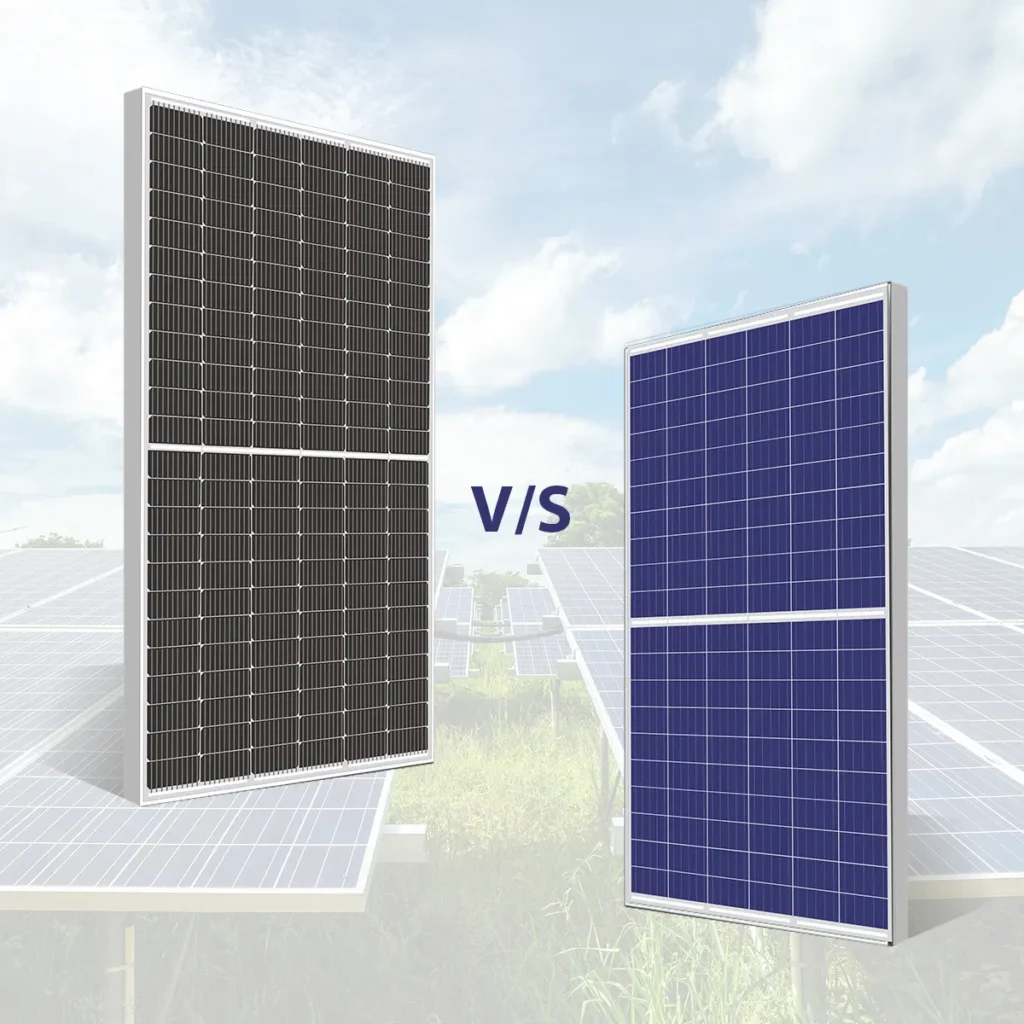
Understanding Monocrystalline vs. Polycrystalline Solar Panels

A significant technological shift has been witnessed in the development and manufacturing of monocrystalline and polycrystalline solar panels. Understanding these modules’ differences can help make informed decisions when choosing the best solar solution.


Monocrystalline Solar Panels

Monocrystalline panels are made from a single silicon crystal, giving them a uniform appearance and making them highly efficient. The latest developments in monocrystalline modules have led to better space efficiency, longer lifespans, and improved performance under low-light conditions. Mono PERC solar panels (Passivated Emitter and Rear Cell) are an advanced variant, offering higher efficiency by capturing more sunlight and reducing energy loss. This is a primary reason many solar module manufacturers focus on the development of mono half-cut panels, which improve performance by reducing resistive losses.

Polycrystalline Solar Modules

On the other hand, polycrystalline solar modules are created by melting several silicon crystals together. While they are slightly less efficient than monocrystalline panels, they are cost-effective, making them a popular choice for large-scale installations. Polycrystalline solar modules have also undergone various technological enhancements to improve their output and durability, thereby remaining a competitive option in the market.

With advancements in the latest technology, both monocrystalline and polycrystalline modules are being developed to maximize energy output while minimizing costs.


The Rise of Half-Cut Cell Technology

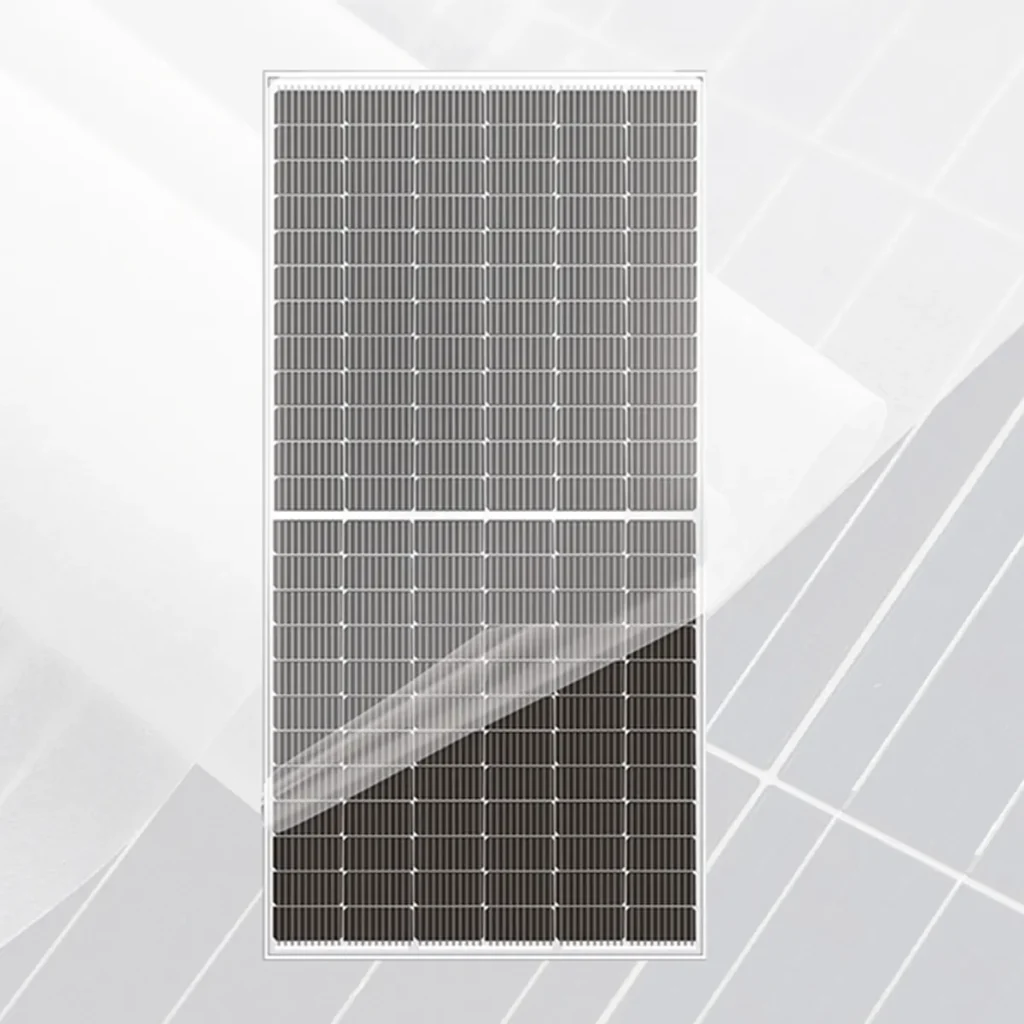
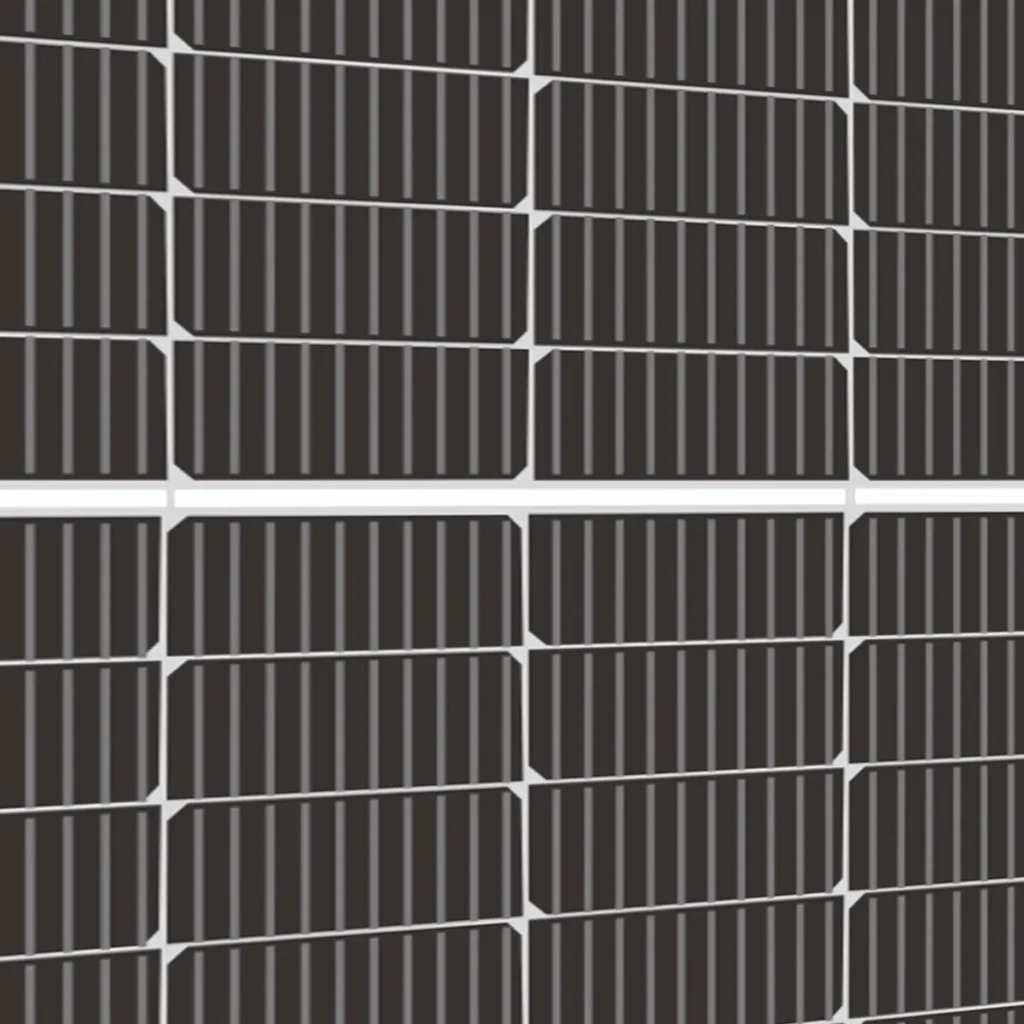
Half-cut solar cell technology is an advanced design enhancement to traditional crystalline silicon solar cells. This innovative approach minimizes key power losses found in standard PV modules, resulting in improved performance for both solar panels and overall PV systems.

Half-cut solar cell modules are not developed with new or innovative chemical components. Instead, they are based on traditional crystalline silicon (c-Si) solar cells, using the same components and materials, such as:

Printed silver paste (front contact)

Anti-reflective coating or anti-reflective glass A doped semiconductor created using crystalline silicon (c-Si) forming a P-N junction.
Back Surface Field

Printed aluminum paste (rear contact)
The main distinction lies in their design; while the technology remains the same as traditional c-Si cells, the half-cut design is specifically optimized to improve performance and reduce electrical losses compared to standard panels.

These half-cut cells are commonly found in monocrystalline modules and are known as mono half-cut panels. This technology has revolutionized solar panel performance by enabling better energy generation even under sub-optimal conditions, such as partial shading or lower sunlight.

PERC Technology: Enhancing Solar Efficiency

Another major breakthrough in solar technology is PERC (Passivated Emitter and Rear Cell) technology.

While the recombination of the electron-hole (e-h) pair is the standard process for generating electric current in traditional solar cells, there is another form of recombination called surface recombination, which contributes to energy losses in crystalline silicon technology.

Surface recombination occurs when a hole pairs with an excited electron that does not reach the contact point. This process reduces solar cell efficiency as the e-h pair combines without producing electric current or solar power.

In addition to surface recombination, traditional crystalline silicon solar panels may experience efficiency losses due to factors like poor light capture, reflection off the cell surface, and partial shading from materials within the module. To address these losses and improve efficiency, the solar industry developed PERC (Passivated Emitter and Rear Cell) technology.

Mono PERC solar panels are now widely adopted across the industry due to their superior performance, compact design, and cost-efficiency. The addition of PERC technology is a major step forward for both monocrystalline solar panels and polycrystalline solar modules.


The Role of Top Solar Panel Manufacturers in India

India is emerging as a powerhouse in solar energy manufacturing. With strong government policies and a growing demand for renewable energy, the nation has attracted investments and developments in the solar sector. As a result, some of the best solar panel companies in India are continuously working towards improving PV technology and expanding their manufacturing capacity.

Gujarat has emerged as a significant hub for solar manufacturing in India. Home to some of the top solar panel manufacturers in India, Gujarat-based companies are contributing significantly to India’s renewable energy goals by providing a wide range of high-quality solar products, including PV modules, mono half-cut panels, and polycrystalline solar modules. These manufacturers are also actively adopting the latest technologies to produce more efficient and cost-effective solutions.

Latest Technology in Solar Panels

The global solar industry is constantly evolving, with the introduction of new technologies aimed at maximizing the efficiency and performance of solar modules. Let’s explore some of the latest advancements shaping the industry:

1. Bifacial Solar Panels
Bifacial panels can generate electricity from both sides, capturing sunlight from the front and reflected light from the back. This technology increases the overall energy output, making bifacial modules an increasingly popular choice among photovoltaic panels manufacturers

2. Heterojunction Technology (HJT)
HJT combines the benefits of crystalline silicon and thin-film solar cells, creating panels with higher efficiency and lower production costs. This hybrid technology enhances performance, reduces energy losses, and has excellent temperature coefficients.

3. Topcon Solar Panels
Topcon (Tunnel Oxide Passivated Contact) is one of the newest advancements in solar cell technology. These panels offer superior efficiency compared to traditional PERC technology by providing better passivation, enhanced light trapping, and reduced energy loss.

4. Shingled Solar Panels
Shingled panels utilize smaller, overlapping solar cells to improve the panel’s efficiency and aesthetics. This design allows for more active area on the panel surface, resulting in a better energy yield.

Choosing the Right Solar Solution

With numerous advancements and options available, it’s essential to choose the right solar solution that fits your needs and aligns with the latest technology. Whether you opt for monocrystalline solar panels, mono PERC solar panels, polycrystalline solar modules, or modules with half-cut cell technology, selecting a reputable manufacturer is key to ensuring optimal performance and long-term reliability.

By choosing a leading solar module manufacturer with a strong track record and commitment to quality, you can be assured of efficient energy output, durability, and a reliable solar solution.


The Future of Solar Panel Technology

The future of solar panel technology is promising. With continuous research and development, photovoltaic panels are becoming more efficient, cost-effective, and sustainable. The shift towards high-efficiency modules like monocrystalline and mono half-cut panels is reshaping the solar industry, making it easier for businesses and households to adopt clean energy solutions.

As we look forward to a more sustainable future, the role of top solar panel manufacturers in advancing technology and setting new benchmarks in quality and efficiency cannot be overstated.

Wrapping Up:

Ready to harness the power of solar energy? Choose the best solution for your needs with the help of a reputable solar manufacturing company. Discover the power of monocrystalline, polycrystalline, and the latest solar technologies to enjoy clean, renewable energy that supports a sustainable future.

Get in touch with us today to explore the future of advanced solar technology! Read our newsletter, “The Evolution and Future of Solar Panel Technology and Manufacturing,” to discover how cutting-edge developments can meet your energy needs and contribute to a greener tomorrow. Whether you’re looking for residential, commercial, or industrial solar solutions, we have the right technology to power your future.
Stay tuned for our next edition of Solar Progress, where we dive deeper into the trends and technologies shaping the world of solar energy!
Solar Progress- Net vs. Gross Metering: Powering Your Solar Savings

As the world shifts towards renewable energy, solar power is becoming increasingly popular. With advancements in new solar panel technologies, homeowners and businesses alike are exploring how they can leverage solar energy to reduce their carbon footprint and electricity bills. One of the critical aspects of this transition is understanding the different metering systems available—specifically, net metering and gross metering. These systems play a pivotal role in how you interact with the grid and can significantly influence the financial viability of your solar energy investment.

This newsletter will delve into the differences between net metering and gross metering, explaining how each system works and which might be the best option for you. Whether you’re a homeowner, a business owner, or a solar energy manufacturer looking to educate your customers, understanding these metering options is essential.

Solar Metering Types in India

India, as a growing market for solar energy, offers two primary metering options: net metering and gross metering. Both are integral to the country’s efforts to promote renewable energy, particularly solar power. However, the choice between the two can significantly impact your savings and return on investment.

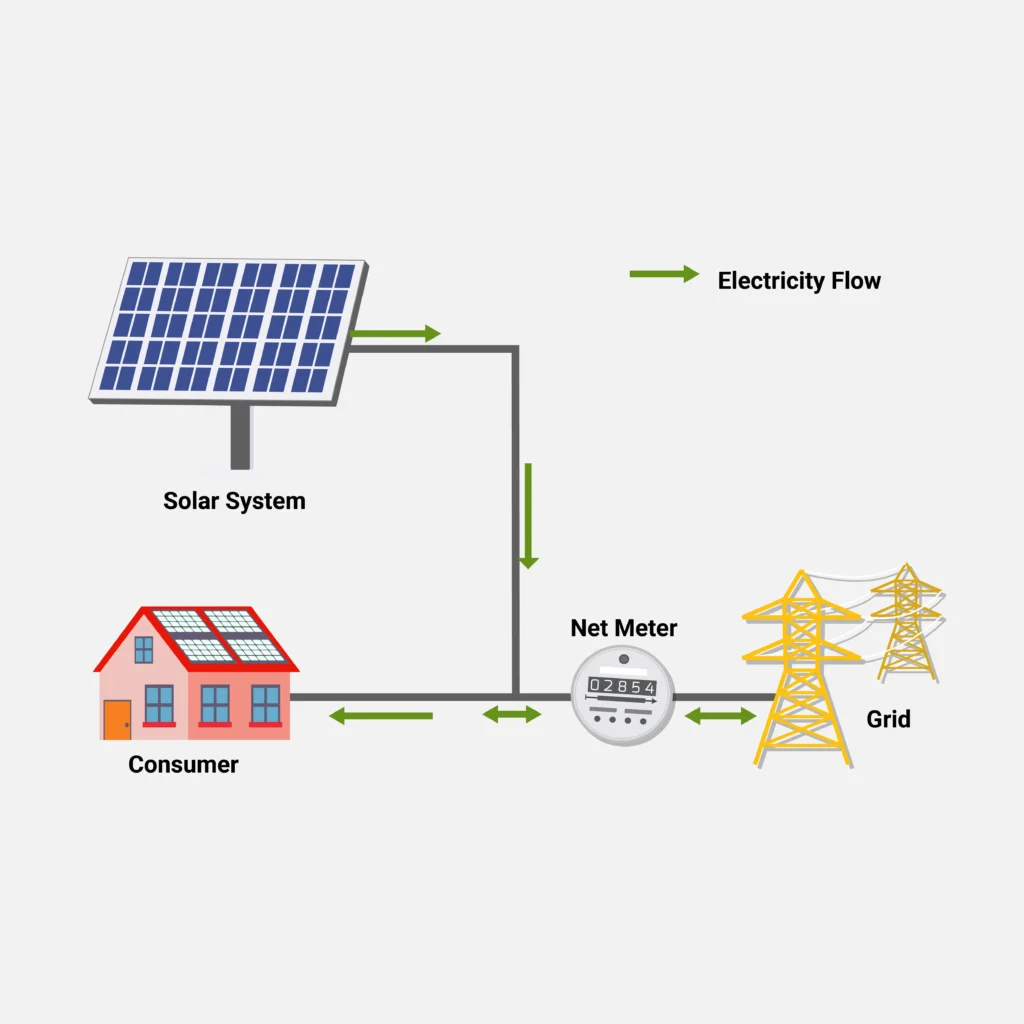
Net Metering: This system allows consumers to offset their electricity consumption with the solar energy they generate, thereby reducing their utility bills. It’s popular among residential solar panel users.

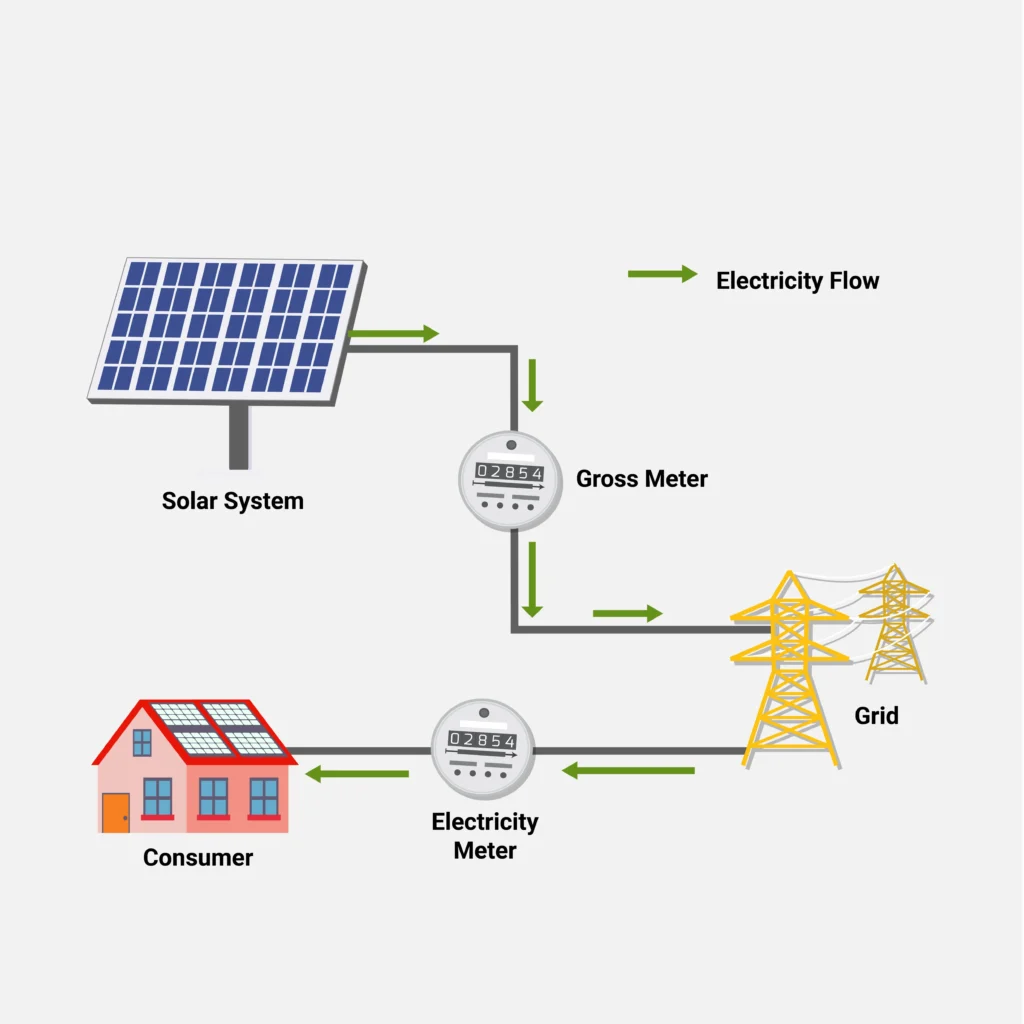
Gross Metering: Here, the total energy generated by your solar panels is fed into the grid, and you are compensated at a fixed rate.


What is Net Metering?

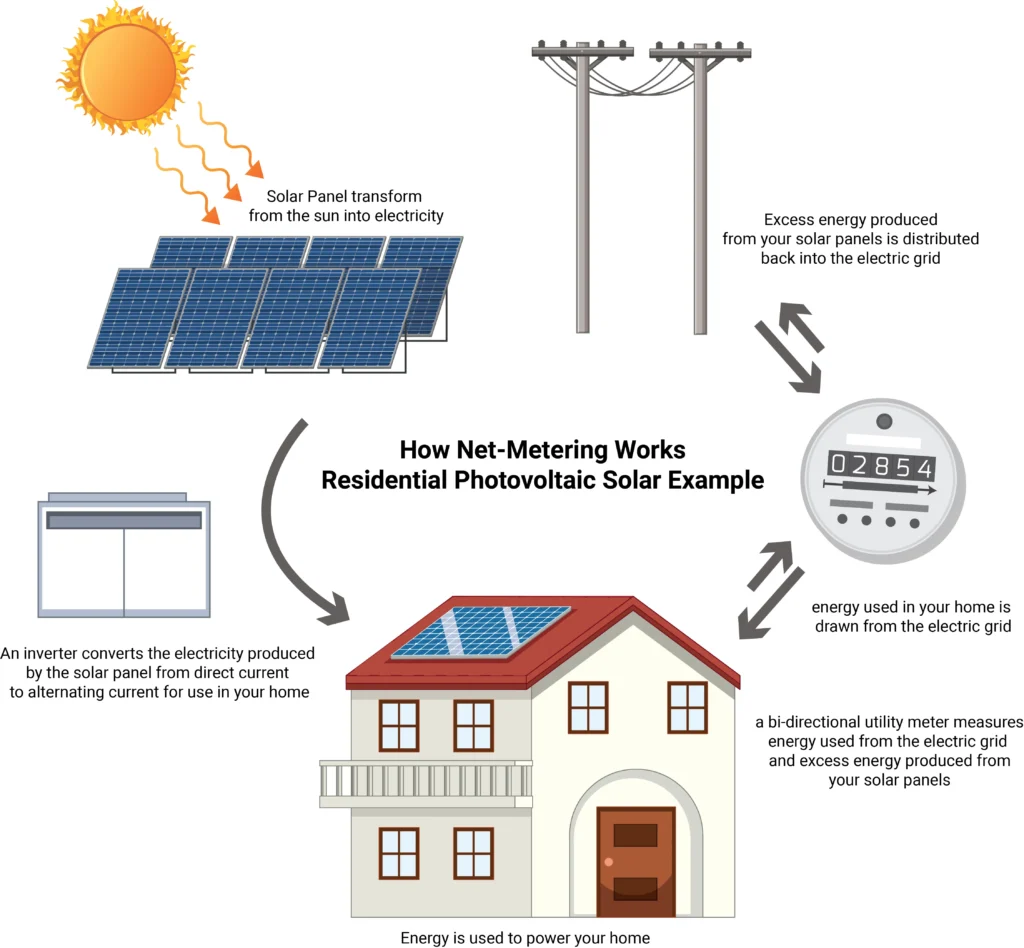
Consumers use the electricity generated by their solar panels, and any excess power is sent back to the grid. When the solar system isn’t producing energy, such as at night, customers can draw power from the grid. Net metering uses a bi-directional meter to track the total power exported and imported by the consumer.

With solar net metering, the tariff for exported power matches the tariff for imported power. At the end of the month, the total power sent to the grid and the total power drawn from it are calculated, and the electricity bill is generated based on this balance.

Net metering is particularly beneficial for residential users because it provides a straightforward way to reduce utility costs. In regions like Gujarat, where solar panel manufacturers are thriving, net metering has been instrumental in promoting solar adoption among homeowners.

What is Gross Metering?

Unlike net metering, in this system, the consumer does not use the solar power generated directly; instead, all the electricity produced by the solar panels is exported to the grid. The consumer must import all the power they need from the grid. Two separate electric meters are used in this setup—one to measure the power imported and the other to measure the power exported. The rate at which consumers export power to the grid is typically lower (determined by the DISCOM) than the rate at which they import power from the grid.

Gross metering is often used by commercial establishments that generate large amounts of solar energy. This system can be financially advantageous in scenarios where the feed-in tariff (the rate at which the utility company pays you for your solar energy) is higher than the retail rate of electricity.


How Do Net Metering and Gross Metering Work?

Both net metering and gross metering involve the use of a bi-directional meter that tracks the flow of electricity. However, the way they interact with the grid and your electricity bill differs significantly.

Net Metering: Net metering is the process applied when you install a rooftop solar system for personal electricity consumption, with any surplus power being exported to the grid. Introduced in India in 2015, this system aims to make solar power more affordable and accessible. Those familiar with solar energy understand that its output isn’t consistent—cloudy days and nighttime result in no generation, and when demand exceeds production, additional power must be imported from the grid. To manage this, a bi-directional net meter is used to track both imported and exported power. The meter does not measure the total energy generated by your solar panels; instead, it only records the surplus power imported from the grid or exported to it.

For example, if you consume 12 units of electricity in a day and generate 8 units with your rooftop system, the net meter will record 4 units taken from the grid. Conversely, if you use 8 units and produce 12 units in a day, the meter will record -4 units. Your monthly bill will be based on the net units produced or consumed, and if your production exceeds consumption, you will be compensated at the rate set by your state’s electricity regulatory commission.

Gross Metering: In gross metering, you do not directly use any of the electricity generated by your rooftop solar system. Instead, all the power produced is sent to the grid through a separate circuit, while your home draws its electricity from the grid. This setup involves two circuits, and consequently, two meters: one to measure your electricity consumption and another to measure your solar power production. Your electricity bill for consumption remains the same, but you receive separate payment for the electricity you generate. Gross metering is often chosen by those who want to maximize their rooftop space for solar panels, as there is no limit on the installed capacity, allowing for higher potential earnings.

This difference in operation makes net metering more suitable for residential use, while gross metering is often preferred by commercial entities with large solar installations.

Which One Should You Consider?

Typically, electricity pricing is structured so that lower consumption is charged at a lower rate, while higher usage incurs higher costs. In a net metering system, your imported power is offset by the exported power, allowing you to be billed at a lower consumption rate, which has been beneficial for consumers since the scheme’s introduction. However, in a gross metering arrangement, the compensation for the power you export is slightly less than the rate you pay for the power you import. To protect their revenue, DISCOMs have increasingly advocated for gross metering over net metering

The choice between net metering and gross metering depends on several factors, including your energy consumption patterns, the size of your solar installation, and the financial incentives available in your region.

Residential Users: If you’re a homeowner with a moderate-sized solar PV module, net metering is likely the better option. It allows you to maximize your savings by offsetting your electricity consumption with your solar production. The latest technology in solar panels can further enhance the efficiency of your system, making net metering even more advantageous.

Commercial Users: For businesses with large solar installations, gross metering might be more suitable. If the feed-in tariff is attractive, you can earn a steady income from the energy you export to the grid. This is particularly beneficial in regions with high solar insolation, where solar panel manufacturers and other states can supply high-efficiency modules.

Pros and Cons of Net Metering and Gross Meterings

Both net metering and gross metering have their advantages and disadvantages.

Net Metering Pros:

Cost Savings: Reduces your electricity bills by offsetting consumption with solar generation.

Simple Billing: Easy to understand and manage, with direct savings reflected on your bill.

Encourages Energy Efficiency: Users are motivated to conserve energy to maximize net savings.

Net Metering Cons:

Dependent on Consumption: Savings are tied to your electricity consumption patterns, which can vary.

Regulatory Risks: Changes in net metering policies can affect the financial viability of your investment.

Gross Metering Pros:

Predictable Income: Provides a steady, predictable income based on the energy you produce.

Ideal for Large Installations: Suitable for commercial users with high energy production and low self-consumption.

Gross Metering Cons:

No Direct Savings on Consumption: You still pay full retail rates for the electricity you consume from the grid.

Requires High Feed-in Tariffs: Financial viability depends on the attractiveness of the feed-in tariff offered by the utility company.

Wrapping Up:

Choosing between net metering and gross metering is a critical decision for anyone looking to invest in solar energy. Both systems offer unique benefits and challenges, and the right choice depends on your specific circumstances, including your energy needs, solar installation size, and local regulations.

For residential users, net metering typically offers the most straightforward path to savings, especially when paired with the latest technology in solar panels. On the other hand, commercial users may find gross metering more beneficial, particularly if they can secure favorable feed-in tariffs.

As a solar energy company or solar manufacturer in India , it’s essential to guide your customers through this decision-making process. By understanding the intricacies of both metering systems, you can help them make the most of their solar investment, whether they are installing a small rooftop system or a large commercial array.

For more information on the latest advancements in solar technology and how to choose the best metering system for your needs, visit PIXON. Whether you’re a homeowner looking to reduce your electricity bills or a business seeking to capitalize on renewable energy, PIXON offers a range of solutions tailored to meet your needs.

By staying informed and choosing the right metering option, you can maximize the benefits of solar energy and contribute to a more sustainable future.

Solar Connect PIXON Power Packed Highlights Lighting Up Q3

Understanding AC vs.DC Current in Solar Power Systems: What’s the Difference?

In the world of solar energy, understanding the fundamental concepts of AC (alternating current) and DC (direct current) is crucial. Whether you’re a homeowner considering solar power for your residence, a business owner looking to reduce energy costs, or simply an enthusiast of renewable energy, grasping the differences between AC and DC currents is essential. This knowledge not only aids in making informed decisions but also enhances your appreciation of how solar PV modules work. In this newsletter, we’ll delve into the intricacies of AC and DC currents, their applications in solar panels, and the advantages and disadvantages of each.

What are AC & DC Current?

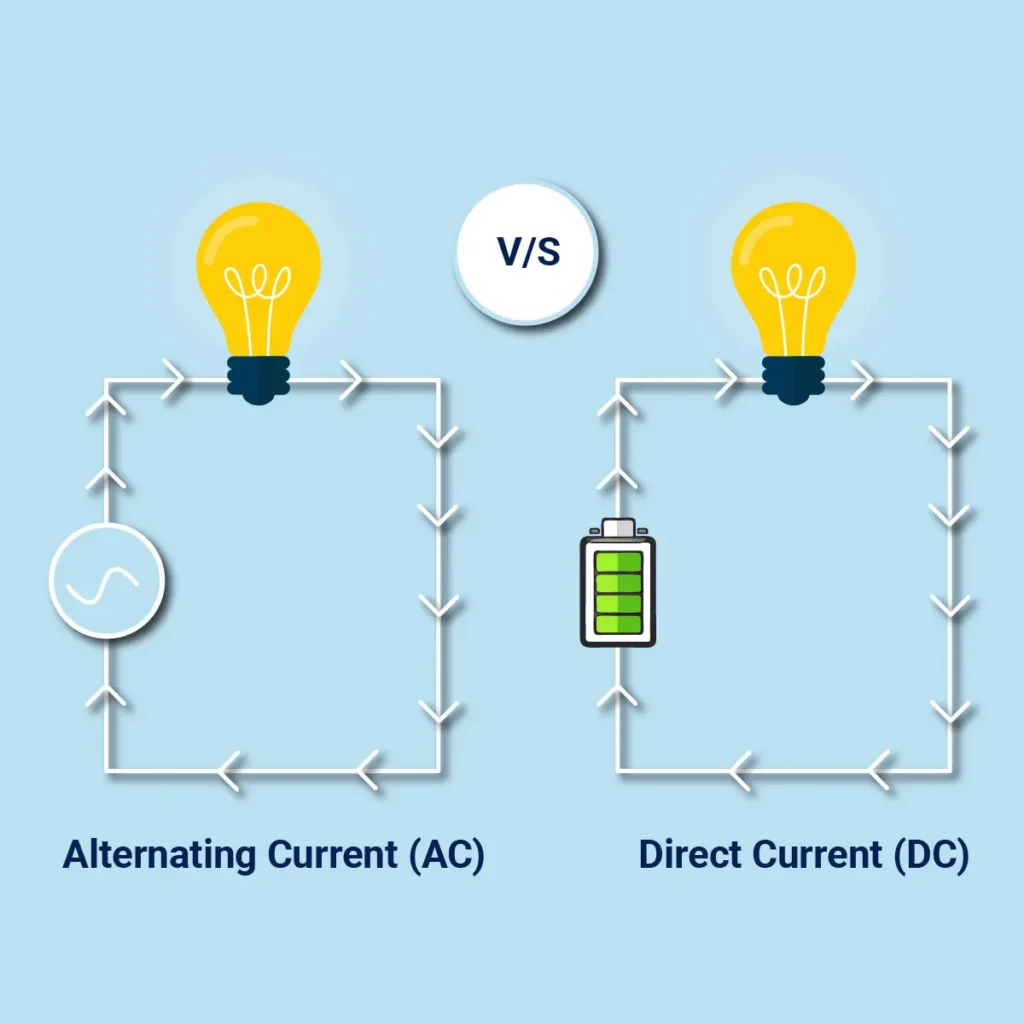
Direct Current (DC) is a type of electrical flow where the electric charge moves in a single direction. In DC, electrons travel from the negative side to the positive side of the power source, providing a consistent and steady stream of electricity. Batteries, solar cells, and fuel cells are common sources of DC electricity.

Alternating Current (AC) is characterized by the periodic reversal of its current flow direction. This means that the electrons move back and forth, changing direction at a frequency usually expressed in Hertz (Hz). The standard frequency varies by region, with 50 Hz being common in many parts of the world and 60 Hz in others. AC is the type of current typically supplied by power plants and used in homes and businesses due to its efficient transmission over long distances.


How are AC & DC used in Solar Panels?

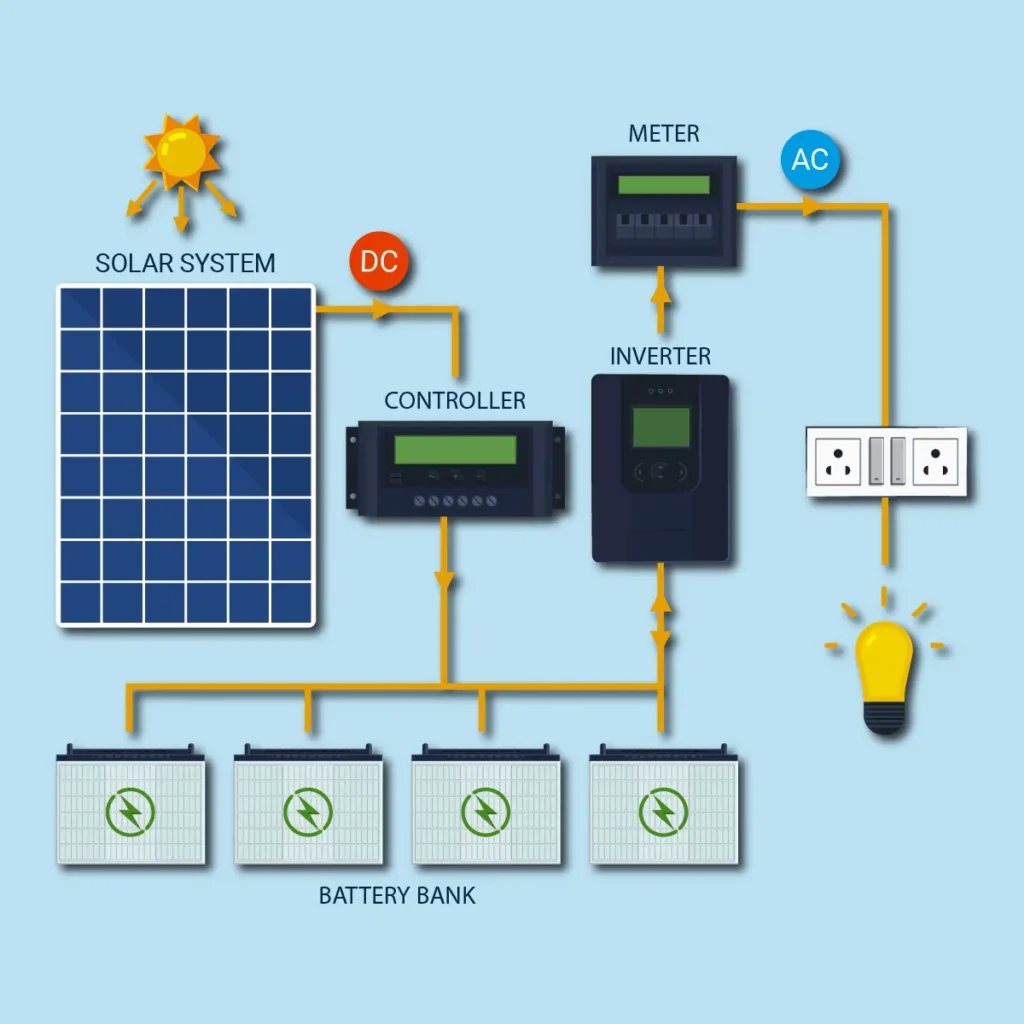
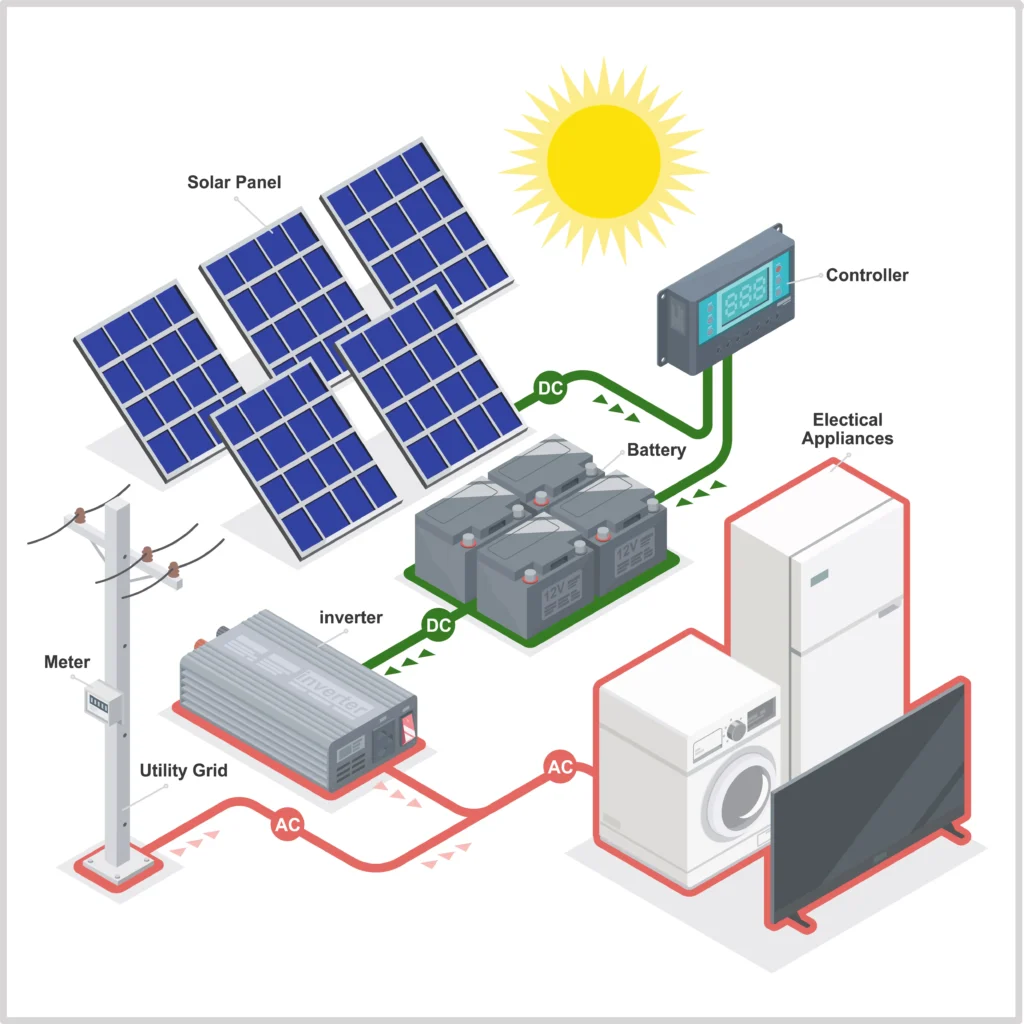
The question of whether appliances use AC or DC power is common. The answer is that they use both. Solar panel batteries store energy as direct current (DC), which is then converted to alternating current (AC) for use in household appliances.

Solar panels generate electricity by capturing sunlight, which is stored as DC in batteries. This DC is then converted to AC by an inverter, making it usable for various AC-powered appliances. The primary function of solar panels is to convert captured DC energy into AC.

While solar panels generate DC, which can be used for battery storage and as backup power for devices, most household appliances require AC. Inverters play a crucial role in converting DC from solar panels into AC. The main difference between AC and DC solar panels is that AC panels have built-in inverters, providing AC directly at the output.


The process typically involves the following steps:

Generation: Solar panels absorb sunlight and generate DC electricity.

Conversion: The DC electricity is sent to an inverter, which converts it to AC.

Usage: The AC electricity is then used to power home appliances or sent to the grid.

Difference between AC & DC Current

The differences between AC and DC currents can be summarized as follows:

Aspect Alternating Current (AC) Direct Current (DC)
Transmission Distance Easily transferred over long distances, even between cities, with minimal energy loss. Cannot be transferred over long distances without significant power loss.
Direction of Electric Flow Rotating magnets cause the direction of electric flow to change. Steady magnetism makes the current flow in a single direction.
Frequency Dependent on the country, generally 50 Hz or 60 Hz. No frequency or zero frequency.
Current Flow Changes direction periodically (forward and backward). Flows steadily in a single direction.
Electron Movement Electrons change directions periodically (backward and forward). Electrons move only in one direction (forward).

Advantages and Disadvantages of AC & DC Current

Advantages of DC Current:

Stable and Consistent: Provides a steady stream of electricity, ideal for electronics and battery storage.

Efficient for Short Distances: Suitable for applications where power is needed over short distances.

Compatibility with Solar Panels: Directly generated by solar panels, reducing the initial need for conversion.

Disadvantages of DC Current:

Inefficiency in Long-Distance Transmission: Significant energy losses when transmitted over long distances.

Conversion Challenges: Voltage transformation is less efficient compared to AC.

Advantages of AC Current:

Efficient Long-Distance Transmission: Easily stepped up to high voltages, reducing energy loss during transmission.

Widespread Usage: Standard for household and industrial power supplies.

Versatility: Can power a wide range of appliances and devices.

Disadvantages of AC Current:

Complex Conversion Process: Requires inverters to convert from DC generated by solar panels.

Higher Risk of Shock: More dangerous due to the alternating nature of the current.

Conclusion

Understanding the differences between AC and DC currents is fundamental to appreciating how solar power systems operate. DC current, generated by solar panels, must be converted to AC to be compatible with most home appliances and the power grid. Each type of current has its own set of advantages and disadvantages, influencing their applications in different scenarios.

As solar energy continues to grow in importance, solar PV module manufacturers like PIXON play a pivotal role in advancing technology and making solar power more accessible and efficient. For more information on innovative solutions in solar PV modules, visit PIXON.

By comprehending the distinctions between AC and DC currents, you are better equipped to make informed decisions regarding solar energy investments and installations. Whether it’s for personal, commercial, or industrial use, understanding these basics ensures that you can fully harness the benefits of solar power.

In conclusion, both AC and DC currents are integral to the operation of solar power systems. The journey from sunlight to usable electricity involves both types of current, each contributing to the efficiency and functionality of solar energy solutions. As the world moves towards a more sustainable future, the role of solar manufacturers and top solar panel manufacturers in India , becomes increasingly significant in driving this change.

Introduction to Solar Power and Power Outages

Solar power has emerged as a leading renewable energy source in the era of sustainable development. However, a frequent query from users pertains to the functionality of solar panels during power outages. The answer is not straightforward and varies based on the system’s design and the additional equipment installed. This discussion is essential for both existing and potential users of solar power systems, particularly when planning for energy independence and security.

Understanding Grid-Tied and Off-Grid Solar Systems

Grid-Tied Solar Systems

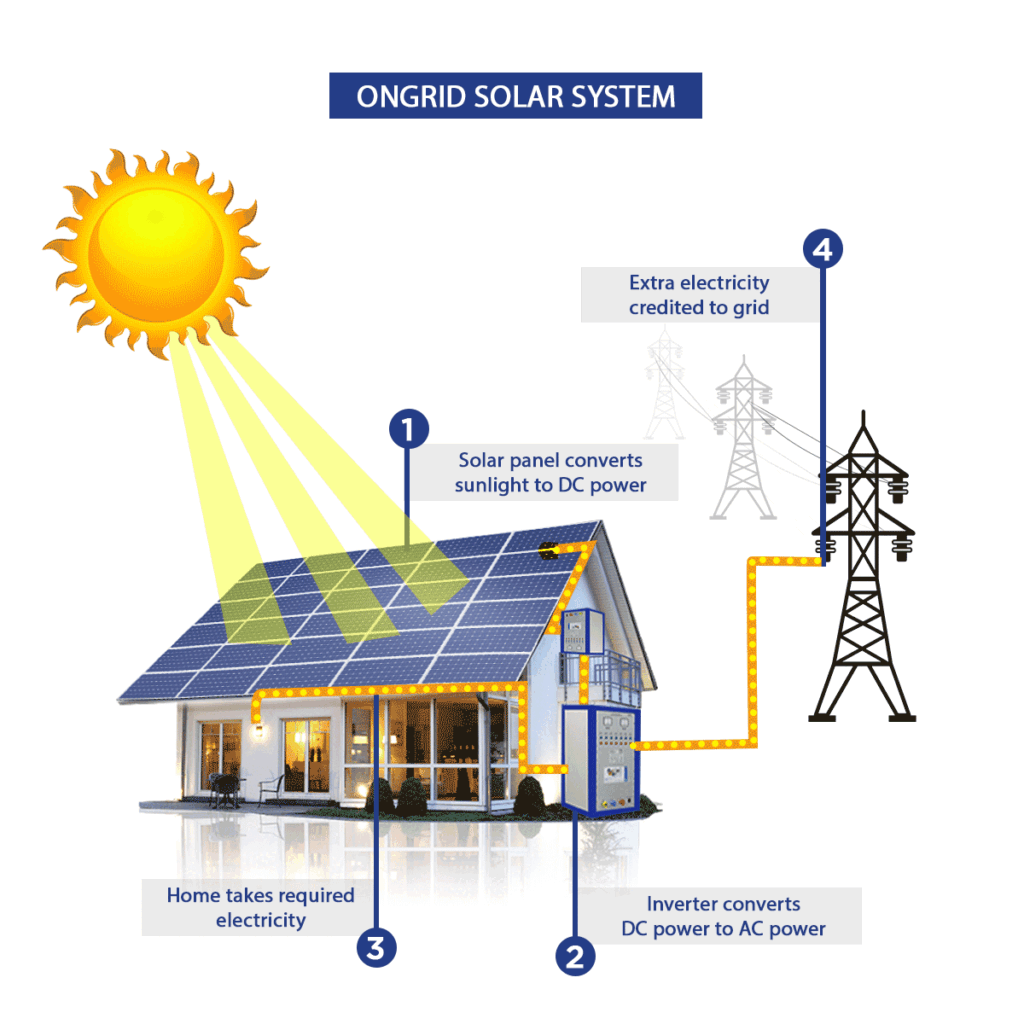
These systems are the most common type installed in urban and suburban homes. They are connected to the public electricity grid and rely on this connection for the operational balance between production and consumption. Excess energy produced by solar panels is fed back into the grid, earning credits through net metering. However, during a power outage, these systems are designed to shut off automatically


Off-Grid Solar Systems

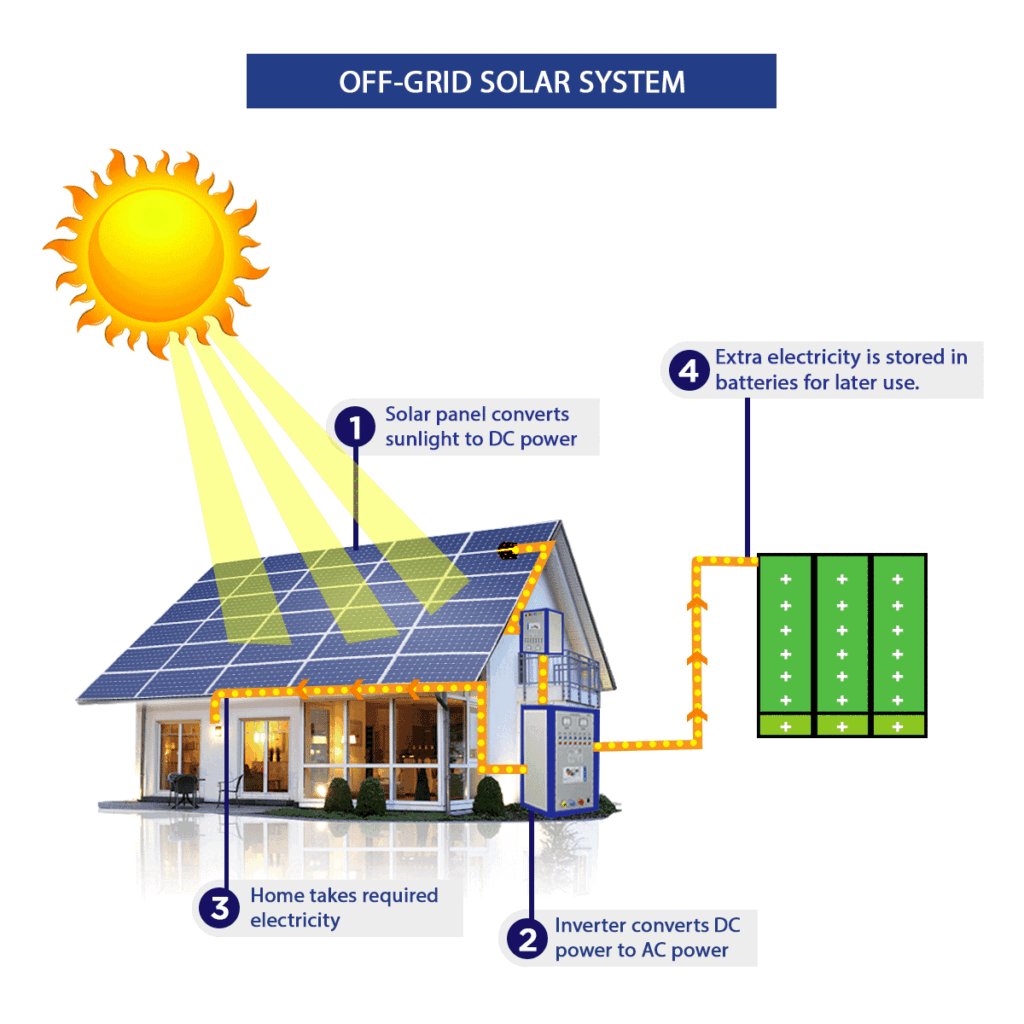
Contrasting with grid-tied systems, off-grid systems operate independently of the public electricity grid. These installations are common in remote locations where grid connection is impractical. They require a combination of solar modules, battery storage, and often additional generators to ensure consistent power availability. Off-grid systems can maintain power during outages by design, as they are not affected by grid downtime.

Why Solar Panels Don’t Work During Power Outages

A properly installed solar system only needs sunlight to generate free electricity. But why can’t you use this electricity in your home or business during a grid outage?

This is due to the nature of a grid-tied solar system. Sunlight strikes the panels, producing electricity that flows through an inverter to power your lights and appliances. When your panels produce more electricity than you use, the surplus is fed into the electric grid.

If the grid is down and your system continues to send excess electricity into it, it poses a significant risk. Utility workers, assuming the power lines are safe, could be endangered by the unexpected electricity from your solar system.

Can Solar Panels Be Used During Power Outages?

To utilize solar panels during a power outage, modifications are necessary. There are two primary ways to maintain electricity with solar energy during a blackout: installing an off-grid solar system or incorporating energy storage solutions like batteries.

The Role of Battery Storage Systems

Solar battery storage systems have transformed the landscape of residential solar power by enabling energy independence. These systems store surplus energy generated during peak sunlight hours.

A grid-tied solar panel system is typically more cost-effective for those aiming to save money. To ensure backup power during a grid outage, you can install an energy storage system. Since this setup requires fewer batteries compared to an off-grid system, it is generally less expensive.

By installing one or two solar batteries, you can store the excess power generated by your solar panels. This stored power can be used during a grid outage, providing electricity without posing a risk to utility workers.

How Solar Batteries Provide Backup Power

In the event of a power outage, a properly configured system with a solar battery will automatically switch to a battery supply, effectively creating an independent power source or a microgrid. The system prioritizes energy supply to predefined circuits essential for basic household functioning, such as refrigeration, basic lighting, and communication devices.


Off-grid solar systems

Off-grid solar systems require enough batteries to store electricity for use during nighttime and cloudy days, making them significantly more expensive than grid-tied systems. For most homes and businesses, off-grid solar is not a cost-effective option. Additionally, you won’t have the ability to draw electricity from the grid if your solar system isn’t generating enough power and your stored energy is depleted.

However, off-grid solar provides complete energy independence, allowing you to use your solar system even when the grid is down. This makes it a suitable choice for buildings in remote areas where grid-tied electricity isn’t available.

Alternative Solutions for Power Outages:

Beyond solar batteries, there are other strategies to enhance power resilience:

Generator Integration: Combining solar power with a diesel or gasoline generator can provide an immediate, albeit less environmentally friendly, power backup solution.

Hybrid Renewable Systems: Integrating solar systems with other forms of renewable energy, such as wind turbines, can provide a more consistent and diversified energy supply, particularly useful in varied climate conditions.

Wrapping Up:

Solar power can be useful during blackouts, but it depends on the type of solar system you have. Most solar systems in India shut down when the main power is off to ensure the safety of workers repairing the power lines. To continue using solar power during outages, you need a battery storage system or a special off-grid setup.

While standard grid-tied solar systems alone do not provide power during outages, innovative technologies and system designs such as battery storage and hybrid systems offer viable solutions. These advancements not only enhance solar utility during disruptions but also propel us towards a more resilient and sustainable energy future.

The ideal choice for solar and backup power depends on your specific needs, budget, and the importance of continuous power supply. Selecting the right solar and battery system can provide you with independence and peace of mind during power outages. By conducting thorough research, homeowners can discover the perfect solution for their energy needs, ensuring their homes remain powered even when the main grid is down.

To explore the cutting-edge solar modules and the evolution of renewable energy solutions, visit PIXON, a leading solar energy manufacturer dedicated to pioneering advancements in the solar industry.

Net Metering vs. Batteries: Understanding the Difference

In today’s rapidly evolving energy landscape, homeowners and businesses are increasingly turning to renewable energy sources to power their daily lives. Among these sources, solar energy stands out as a popular and viable option. However, when it comes to optimizing the use of solar energy , two primary approaches often come into play: net metering and battery storage. Each has its own set of advantages, limitations, and suitability depending on individual needs and circumstances. This newsletter aims to delve into the intricacies of net metering and battery storage, helping you understand the differences and make an informed decision about which option is right for you.

What is Net Metering?

Net metering is a billing mechanism that allows solar energy system owners to receive credit for the excess electricity they generate and feed back into the grid. Essentially, it enables a two-way flow of electricity: when your solar panels produce more electricity than you need, the surplus is sent to the grid, and your utility company compensates you for it. Conversely, when your system is not producing enough electricity to meet your needs, such as during the night or on cloudy days, you can draw power from the grid, effectively using the credits you’ve accumulated.

How Does Net Metering Actually Work?

Net metering operates through a bi-directional meter that measures both the electricity consumed from the grid and the electricity sent back to it. Here’s a step-by-step breakdown of how it works:

Generation: Solar panels generate electricity during the day when sunlight is available.

Usage: The generated electricity is first used to power your home or business.

Surplus: Any excess electricity is fed back into the grid.

Credit: Your utility company provides credits for the surplus electricity, which can be used to offset future electricity usage.

Draw: During periods when solar panels do not produce enough electricity (e.g., at night), you draw power from the grid using the accumulated credits.

Types of Net Metering:

Net metering policies and programs can vary widely depending on location and utility providers. Here are some common types of net metering:

Standard Net Metering: The most common type, where the utility credits the customer for the excess electricity at the retail rate.

Virtual Net Metering: Allows multiple customers to share the benefits of a single solar energy system, often used in multi-tenant buildings or community solar projects.

Aggregate Net Metering: Enables customers with multiple meters (e.g., a farm with several buildings) to offset the electricity usage on all meters from a single solar energy system.

Feed-in Tariff: Instead of credits, customers receive a fixed payment for the electricity they export to the grid, often at a rate different from the retail rate.

What is Battery Storage?

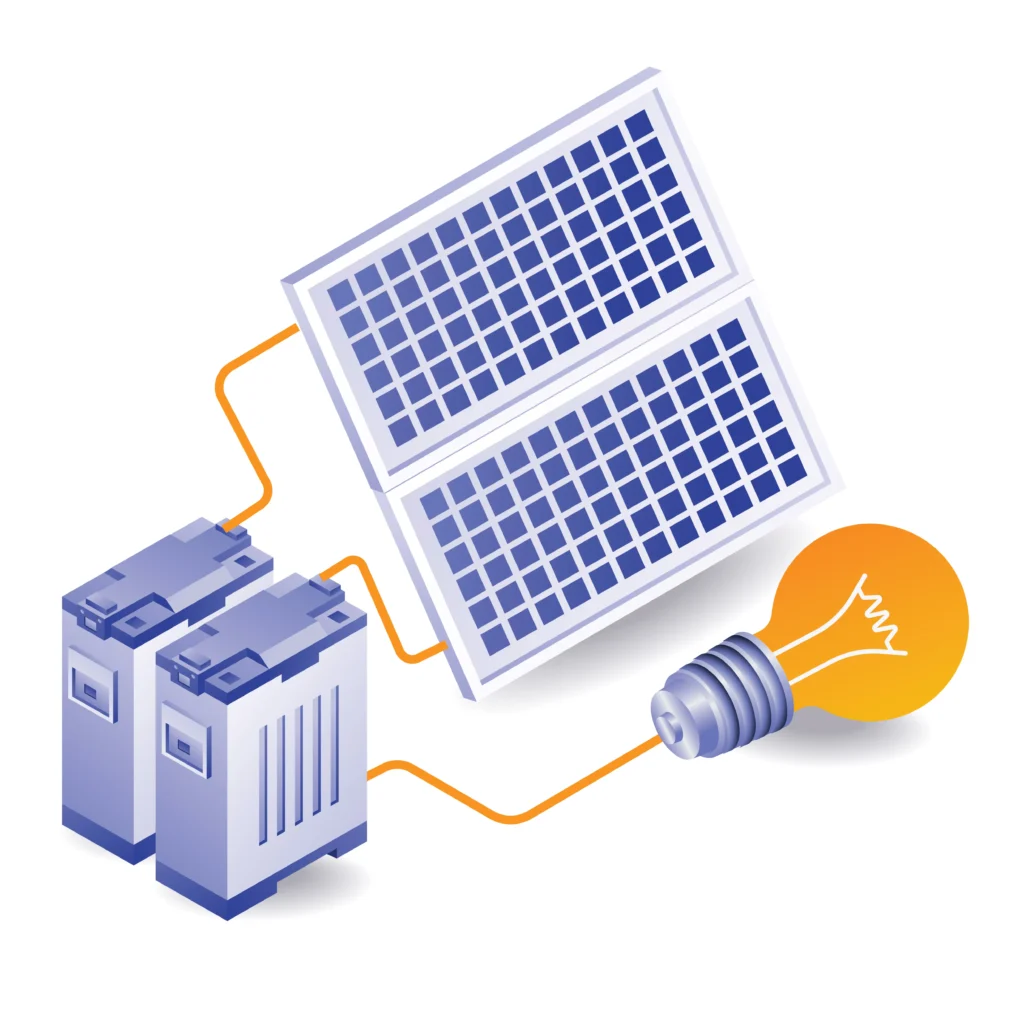
Battery storage involves the use of batteries to store excess electricity generated by solar panels for later use. Unlike net metering, which relies on the grid to store and retrieve electricity, battery storage provides a self-contained solution, allowing homeowners and businesses to store the energy they produce and use it whenever needed.

How Does Battery Storage Work?

Battery storage systems typically consist of rechargeable batteries, an inverter, and a battery management system. Here’s how they work:

Generation: Solar panels generate electricity during the day.

Storage: Any excess electricity not immediately used is stored in the batteries.

Usage: Stored electricity is used when solar panels are not producing enough power, such as at night or during cloudy periods.

Backup: In the event of a power outage, battery storage systems can provide backup power, ensuring a continuous supply of electricity.

Types of Battery Storage

Battery storage solutions come in various forms, each with unique characteristics suited to different needs:

Lead-Acid Batteries: A traditional and cost-effective option, known for their reliability but with a shorter lifespan and lower efficiency compared to newer technologies.

Lithium-Ion Batteries: Widely used due to their high efficiency, longer lifespan, and compact size, making them ideal for residential and commercial applications.

Flow Batteries: Known for their scalability and long cycle life, making them suitable for large-scale energy storage applications.

Benefits & Limitations of Net Metering & Battery Storage

Net Metering

Benefits:

Cost Savings: Reduces electricity bills by crediting excess solar power.

Simplicity: Easy to implement with existing grid infrastructure.

Scalability: Suitable for both residential and commercial applications.

Limitations:

Grid Dependence: This relies on the availability and stability of the grid.

Policy Variability: Net metering policies can vary widely, affecting financial benefits.

No Backup Power: This does not provide power during grid outages.

Battery Storage

Benefits:

Energy Independence: Reduces reliance on the grid, providing greater control over energy use.

Backup Power: Ensures continuous power supply during outages.

Environmental Impact: Enhances the use of renewable energy , reducing carbon footprint.

Limitations:

Initial Cost: High upfront costs for battery systems.

Maintenance: Requires regular maintenance and potential replacement over time.

Efficiency Losses: Energy losses can occur during storage and retrieval.

Net Metering vs. Battery Storage: How To Choose the Right

Option for You

Choosing between net metering and battery storage depends on various factors, including your energy needs, budget, location, and personal preferences. Here are some considerations to help you decide:

Financial Considerations

Net Metering: Ideal if your primary goal is to reduce electricity bills and you live in an area with favorable net metering policies.

Battery Storage: Better suited if you have a higher budget for initial investment and want to achieve energy independence.

Energy Security

Net Metering: Suitable if you live in an area with a stable and reliable grid.

Battery Storage: Essential if you experience frequent power outages or want an uninterrupted power supply.

Environmental Impact

Net Metering: Contributes to grid stability and reduces overall carbon footprint by feeding excess solar energy back to the grid.

Battery Storage: Maximizes the use of renewable energy on-site and reduces dependency on fossil fuels.

Future-Proofing

Net Metering: Good if your local policies are stable and supportive of renewable energy.

Battery Storage: Offers flexibility and control, making it a forward-looking solution in a changing energy landscape.

Final Thoughts

Both net metering and battery storage offer viable paths to optimizing the use of solar energy, each with its own set of benefits and challenges. Understanding the differences between these two options is crucial in making an informed decision that aligns with your energy goals, financial situation, and environmental values. Whether you choose net metering, battery storage, or a combination of both, investing in solar energy is a step towards a sustainable and resilient future.

For more information on solar energy solutions, including photovoltaic panels, and solar modules, visit PIXON , a leading provider of innovative solar energy products in India. PIXON is dedicated to advancing the adoption of solar energy through high-quality products and exceptional service, making renewable energy accessible to all.

What is MPPT? A Comprehensive Guide to Understanding Maximum Power Point Tracking

Introduction

In the evolving landscape of renewable energy, solar power stands prominently due to its sustainability and increasing accessibility. As we harness the sun’s energy, the effectiveness of this process significantly depends on the technologies integrated within solar systems. One pivotal technology that enhances the efficiency of solar panels is Maximum Power Point Tracking (MPPT). This newsletter delves deep into understanding MPPT, elucidating its mechanism, benefits, and its critical role in the solar power generation chain, particularly highlighting its importance to solar module manufacturers in India.

What is MPPT?

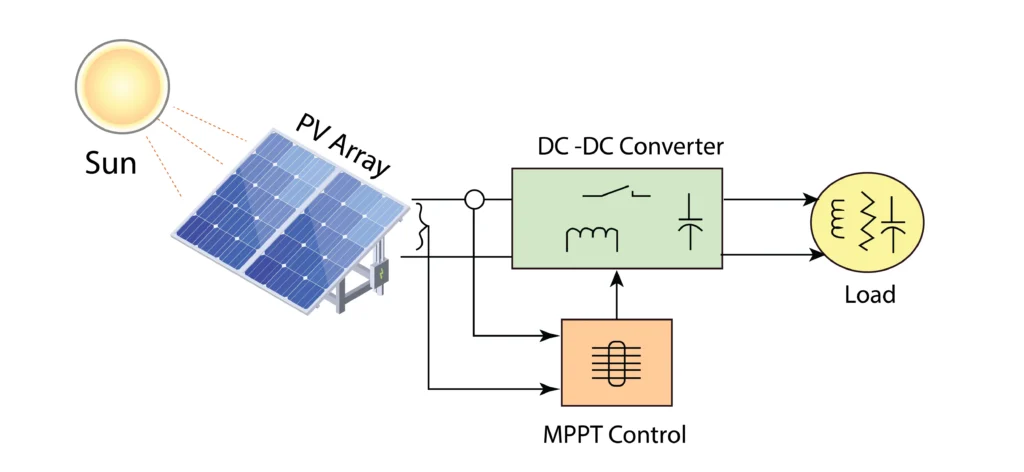
MPPT or Maximum Power Point Tracking is an advanced technology used primarily in solar inverters and charge controllers. This technology is essential for optimizing the conversion of solar energy into electricity. At its core, MPPT helps in extracting the maximum possible power from a solar photovoltaic (PV) module under various environmental conditions. The importance of MPPT becomes evident in solar module manufacturing, where maximizing efficiency can significantly impact overall energy output and system performance.

How does it work?

Solar PV modules convert sunlight into electricity, but the efficiency of this conversion can be affected by several factors, including the intensity of sunlight, temperature, and the angle at which sunlight hits the panels. The relationship between the current and voltage of a solar panel forms an IV curve, which has a peak known as the Maximum Power Point (MPP). This point varies throughout the day, with changes in weather and other conditions.


Here’s how the process functions

Any surplus power that isn’t immediately required by household appliances is smartly handled. For off-grid solar systems, this excess energy is stored in batteries for future use. Conversely, in on-grid solar systems, it is fed back into the electrical grid. This management ensures that the resistance from appliances does not compel the solar panels to diminish their power output. Nearly all solar inverters are equipped with MPPT technology. A solar inverter with MPPT serves two critical functions:

  • The maximum power point tracker within the inverter efficiently converts the high DC power produced by the solar panels into a lower DC power, making it more suitable for use.
  • This lower DC power is then transformed into AC power, which is the type of power utilized by our home appliances.

With an MPPT-equipped solar inverter, your solar panels are enabled to generate the maximum possible amount of solar electricity. This leads to reduced energy wastage and, consequently, a significantly lower electricity bill.

MPPT is particularly beneficial under the following conditions

Cold Weather, Cloudy or Hazy Days: Typically, PV modules perform better at colder temperatures, and MPPT is essential in harnessing the maximum power available from them during such conditions.

When the Battery is Deeply Discharged: MPPT is capable of extracting more current to charge the battery more effectively when its state of charge is low.

What is an MPPT solar charge controller?

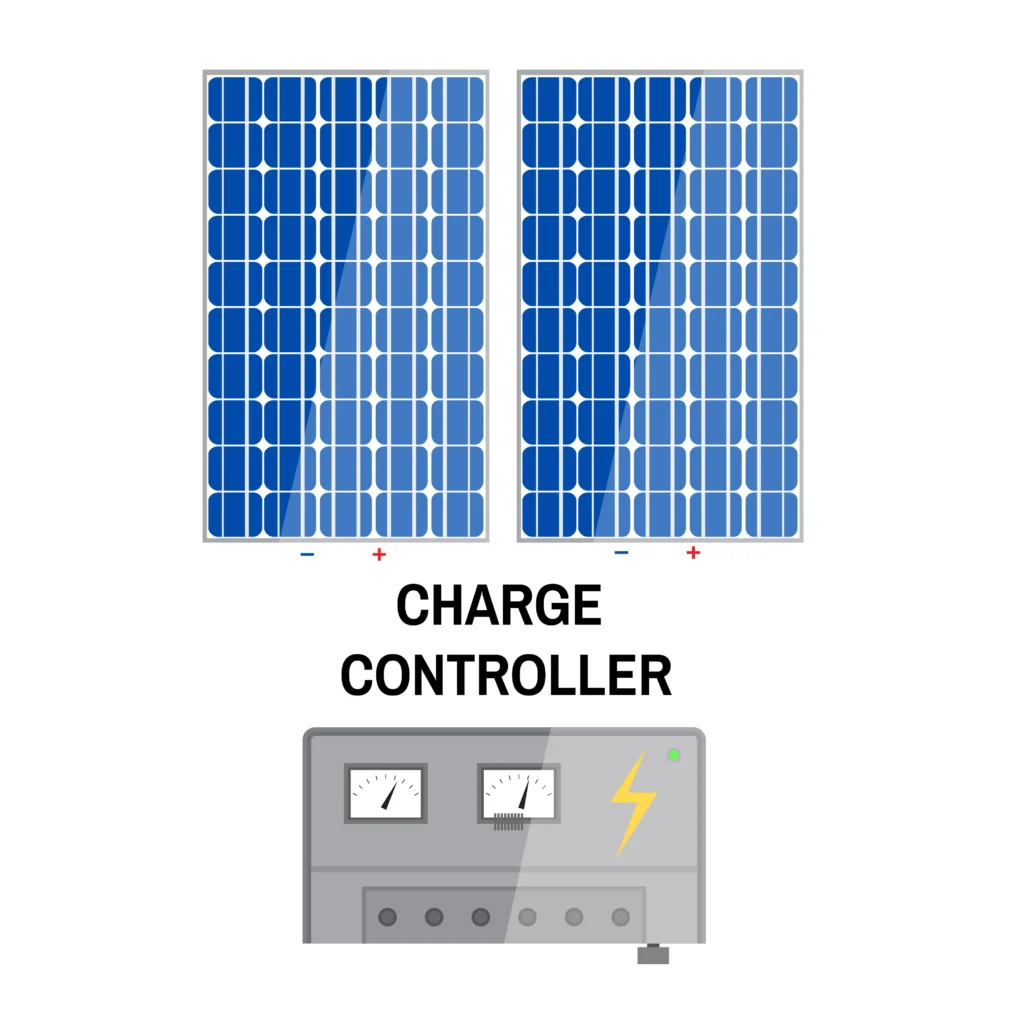
An MPPT solar charge controller is a sophisticated component used in solar systems to optimize the connection between solar panels and the batteries or the grid. It incorporates an MPPT algorithm designed to optimize the flow of current into the battery from the PV module. MPPT functions as a DC to DC converter that takes DC input from the PV module, converts it to AC, and then changes it back into DC at a voltage and current level that precisely matches the requirements of the battery, ensuring efficient energy transfer.

Main features of MPPT solar charge controller

Dynamic Power Tracking: Utilizes advanced algorithms to track the IV curve dynamically and find the maximum power point.

Enhanced Efficiency: Can improve energy conversion efficiency by 20-30% compared to non-MPPT controllers.

Voltage Conversion Capability: Capable of stepping down higher voltage from solar panels to match the voltage of the battery system, thus minimizing energy loss.

Multi-Stage Charging: This feature extends battery life by optimizing the charging rate based on the battery’s charge level.

Smart Load Management: Some MPPT controllers come with load control features, managing the output to connected devices, protecting batteries from being overcharged or overly discharged.

Advantages and Drawbacks of MPPT

Advantages

Optimized Energy Use: By continuously adjusting to the optimal power point, MPPT maximizes the usable energy output from solar panels.

System Flexibility: MPPT technology allows for the use of solar panels with different power ratings in the same system, providing flexibility in design and expansion.

Efficiency in Various Conditions: MPPT controllers are particularly effective in suboptimal solar conditions such as partial shading, cloudy skies, or low temperatures.

Long-term Savings: The increased efficiency and optimized battery charging extend the lifespan of the system components, leading to significant cost savings over time.

Drawbacks

Compatibility with Specific Solar Panel Configurations: In solar systems where panels are connected in series, MPPT does not differentiate between power originating from a single panel or multiple panels. Consequently, if one panel underperforms, MPPT will adjust the input to match the performance level of that particular panel. Despite this limitation, the effectiveness and efficiency of MPPT are not significantly diminished

Higher Initial Cost: MPPT controllers are more expensive than traditional PWM controllers due to their complexity and advanced features.

Complexity in Installation and Maintenance: The advanced technology of MPPT controllers requires a deeper understanding for installation and ongoing maintenance, which might necessitate professional assistance.

Wrapping Up

Understanding and utilizing MPPT technology is crucial for anyone involved in the design, manufacturing, and application of solar energy systems, particularly for solar module manufacturers in India. The advantages of MPPT, from increasing energy output to improving system durability, make it a vital component in modern solar applications. While the initial costs might be higher, the payback through improved efficiency and reduced energy waste is undeniable. As solar technology continues to advance and become more accessible, the role of efficient energy management technologies like MPPT will become increasingly critical in global energy solutions.

For more information on solar modules and other related technologies, you can connect with PIXON .

By diving deep into the nuances of MPPT, this guide aims to illuminate its integral role in the enhancement of solar energy systems, ensuring that stakeholders can make informed decisions about integrating this technology into their operations. As we advance, the collaboration between technology and nature appears not only beneficial but essential for a sustainable future.