Navigating India’s Electricity Crisis with Solar Energy

Navigating India’s Electricity Crisis with Solar Energy

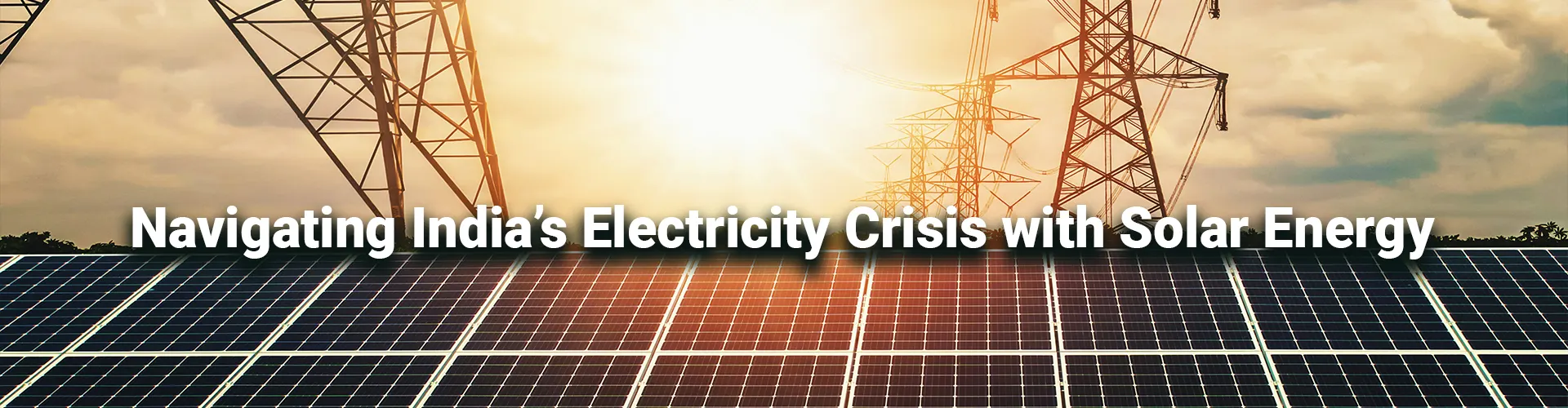
India faces an impending electricity crisis due to rising energy demands, depleting fossil fuel reserves, and an overburdened grid. With its abundant sunlight, solar energy offers a sustainable and effective solution. Solar manufacturers in India are stepping up with innovative technologies to meet the country’s energy needs while reducing dependency on conventional sources.

Electricity outages and power cuts are becoming increasingly frequent in both urban and rural areas, causing significant disruptions to daily life and economic activities. This blog explores the causes of the crisis and highlights how solar energy, driven by advancements in photovoltaic panels and solar module manufacturing, can help India achieve energy security.

Factors Contributing to India’s Power Crisis

Key Issues Behind Persistent Power Shortages

India’s electricity crisis stems from several interconnected factors that hinder its energy generation and distribution capacity. These challenges are outlined below:

Rising Demand for Electricity

The demand for electricity in India has been increasing at an unprecedented rate. During the 1980s and 1990s, annual demand grew by 9 to 10 percent. This surge in electricity needs comes from multiple sectors, including agriculture, industries, and domestic usage, exacerbating the chronic shortage of power across the country.

Poor Plant Load Factors (PLF)

The Plant Load Factor (PLF), which measures the operational efficiency of power plants, remains alarmingly low in India. Many State Electricity Boards (SEBs), such as those in Bihar, Assam, West Bengal, and Odisha, report PLFs between 25 and 40 percent. This inefficiency significantly impacts the ability of power plants to meet the high electricity demand.

Gaps Between Targets and Achievements

India has consistently faced a shortfall in achieving its power generation targets. During the First Five-Year Plan, the shortfall was 15 percent, increasing to 50 percent by the Fourth Plan. Even during the Seventh Plan, electricity generation reached 245.4 billion kWh against the target of 295 billion kWh, leaving a gap of approximately 50 billion kWh. Similarly, during the Eighth Plan, only 14,799 MW of capacity was added against a target of 30,858 MW, achieving just 48 percent of the planned addition.

Other Contributing Factors

Several other issues exacerbate India’s power crisis, including:

Outdated Machinery: Many power plants rely on obsolete equipment, reducing efficiency and output.

High Transmission Losses: Transmission losses in India account for approximately 20 percent of generated electricity, a significant inefficiency.

Coal Supply Issues: Irregular and inferior quality coal supplies to thermal plants disrupt consistent energy production.

Workforce Challenges: A lack of skilled engineers, technicians, and labour discipline impacts operational efficiency.

Hydel-Thermal Imbalance: An unfavourable mix of hydropower and thermal power reduces the overall stability of the electricity supply.

Public Sector Monopoly: The predominance of public sector control over electricity generation limits competition and innovation.

Why Solar Energy is the Answer

Harnessing Abundant Solar Resources

As a tropical country, India enjoys abundant sunlight across most states. This natural advantage, combined with a robust solar infrastructure, allows the nation to convert locally available solar resources into a reliable power source. According to the National Institute of Solar Energy, India has a massive solar potential of approximately 748 GW, assuming that only 3% of the wasteland area is utilized for solar installations.

Ambitious Solar Targets

India aims to achieve 280 GW of solar power capacity by 2030, and to meet this target, the government is setting up large-scale solar power plants. Initiatives like rooftop solar installation subsidies and supportive policy changes are encouraging widespread adoption among businesses, industries, and homeowners.

Adoption Across Sectors

Solar energy is finding takers across various sectors:

Businesses and Industries: Companies are switching to solar to reduce electricity costs and achieve energy independence.

Residential Solar: Homeowners are increasingly investing in rooftop solar systems, driven by evolving policies and financial incentives.

Public Infrastructure: State-owned buildings, including Kerala’s Cochin International Airport (the world’s first airport to operate entirely on solar energy), are leading the way. Other airports, such as those in Kolkata, Hyderabad, and Delhi, are following suit by adopting solar solutions.

The Benefits of Solar Energy

Solar energy stands out among renewable energyoptions due to its multiple advantages:

1. Reduces Strain on Coal

Solar energy production peaks during the daytime, aligning with the highest power demand periods. By supplementing coal-based power with solar energy, the pressure on coal reserves can be significantly reduced, conserving these resources for night time use.

2. Strengthens Grid Security

The establishment of small and large-scale solar power plants across states enhances energy generation centers. This infusion of solar power into utility grids improves grid security, reducing the risk of blackouts and increasing overall stability.

3. Lowers Electricity Bills

With rising electricity costs and uncertainty surrounding conventional power sources, solar energy offers a cost-effective alternative. Consumers can recover their initial investment in solar systems within 2-3 years, enjoying significant savings on energy bills over the system’s lifespan.

4. Expands Access to Remote Areas

Many remote regions in India lack access to conventional electricity but receive abundant sunlight. Solar energy systems equipped with battery backups provide a viable solution, bringing electricity to underserved areas and improving the quality of life.

5. Feasibility with Advanced Technology

The influx of new solar technologies has made solar systems more efficient, reliable, and cost-effective. Today, solar installations are a feasible option for consumers across residential, commercial, and industrial sectors.

Role of Solar Manufacturers in India

Leading the Charge

Solar manufacturers in India are playing a critical role in addressing the electricity crisis. Companies are producing high-quality solar modules that cater to both domestic and international markets. These manufacturers prioritize innovation and sustainability.

Top Contributions

  • Meeting domestic energy demands
  • Generating employment opportunities
  • Driving exports to global markets

Leading photovoltaic panels manufacturers in India , such as PIXO, are setting benchmarks for quality and efficiency. By adhering to international standards and leveraging the latest technology, they are contributing to a greener future.

Advancements in Solar Technology

Latest Technology in Solar Panels

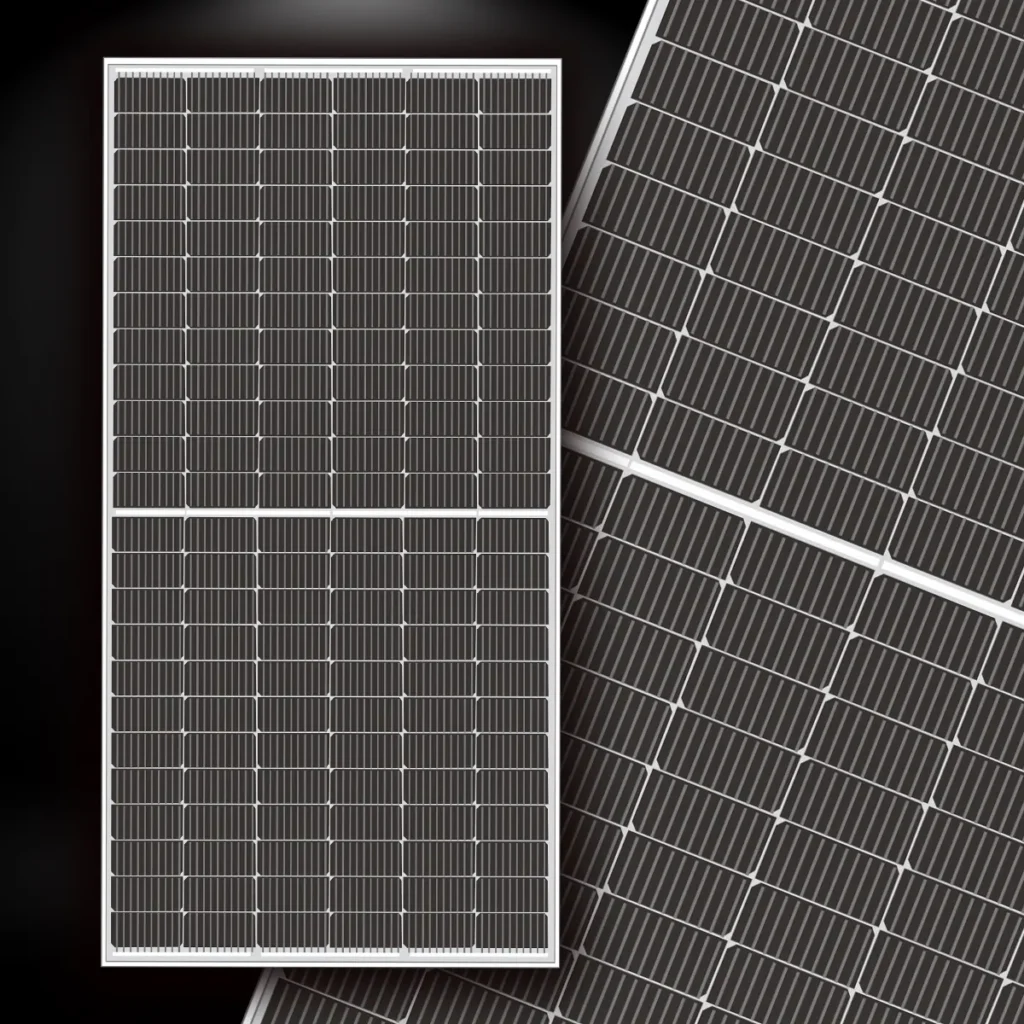
Solar panel manufacturers are investing heavily in research and development to create efficient, durable, and cost-effective products. The introduction of bifacial panels, half-cut cell technology, and transparent solar panels are just a few innovations reshaping the industry.

Benefits of New Solar Panel Technologies

  • Enhanced energy efficiency
  • Improved durability in diverse climates
  • Reduced costs over time

For example, bifacial panels capture sunlight from both sides, increasing energy output. Similarly, half-cut cell technology minimizes power losses, making solar panels more efficient and reliable. These advancements have positioned Indian solar manufacturers as leaders in the global renewable energy market.

Economic Impact of Solar Energy

Cost Savings

Switching to solar energy reduces electricity bills significantly. While the initial investment may seem high, the long-term savings outweigh the costs. Moreover, government incentives and subsidies make solar installation more affordable.

Return on Investment (ROI)

Businesses and homeowners can expect substantial returns within a few years of installation. Solar energy systems have a lifespan of 25-30 years, making them a cost-effective solution for long-term energy needs.

Job Creation

The solar energy sector is a significant contributor to job creation in India. From manufacturing to installation and maintenance, the industry offers employment opportunities across various skill levels. Solar module manufacturers , in particular, are driving growth in local economies by establishing manufacturing plants and creating jobs.

Wrapping Up

India’s electricity crisis presents a significant challenge, but it also provides an opportunity to transition to a sustainable future. Solar energy, with its vast potential, cost-efficiency, and environmental benefits, is the key to overcoming this crisis. By adopting innovative solar technologies and supporting the growth of solar manufacturers, India can ensure energy security for generations to come.

At PIXON , we are committed to driving this transformation by offering state-of-the-art solar solutions. Join us in making a difference.

Ready to switch to solar?

Get in touch with us today to discover our wide range of solar products and services. Let’s create a brighter, sustainable future together.

Related Blogs:

1. Solving India’s Power Crisis: Can Solar Microgrids Be the Key?

2. Innovations in Solar Panel Technology: What’s New and Next?

3. Easy Guide to Choosing High-Quality Solar Panels

 

Optimizing Hybrid Power With DG PV Synchronization

Discover how DG PV Synchronization Devices optimize solar power systems for seamless hybrid energy management and efficiency

As the world embraces renewable energy, solar power systems have emerged as a key solution to meet growing energy demands sustainably. However, integrating solar power with existing energy setups, especially diesel generators (DG), requires advanced technology to ensure efficiency and stability. The DG PV Synchronization Device plays a pivotal role in hybrid energy systems, harmonizing solar PV modules with DG systems for reliable and cost-effective energy management.

What is DG PV Synchronization?

A DG PV synchronization device is a specialized controller that ensures seamless integration between a solar inverter and a diesel generator (DG). Typically connected to the local grid, this system is an ideal solution for rooftop solar plants , allowing efficient hybrid energy management.

Key Features and Functions

Power Generation Based on Demand: The device ensures solar plants adjust their power output according to energy requirements or the connected load.

Optimizing DG Usage: The system is designed to keep the DG operating at minimal load while maximizing solar energy utilization.

Core Areas of Synchronization

For effective operation, the DG PV synchronization system aligns with the power grid in three critical aspects:

Voltage: Ensures consistent energy output without fluctuations.

Frequency: Matches the grid frequency to prevent disruptions.

Phase Angle: Aligns the phase angle for smooth power transfer.

Importance of Proper Synchronization

Proper synchronization guarantees safe and efficient current transfer, avoiding power instability. Any mismatch in voltage, frequency, or phase angle can lead to severe consequences, such as power grid damage or harm to your solar panels. By maintaining synchronization, the system enhances both performance and durability.

Importance of DG PV Synchronization in Solar Power Systems

Hybrid power systems bridge the gap between renewable energy and traditional energy sources. DG PV Synchronization Devices are instrumental in:

Enhancing Energy Efficiency: Maximizing the use of solar energy generated by photovoltaic panels.

Reducing Operational Costs: Lowering fuel consumption and maintenance expenses.

Promoting Renewable Energy: Encouraging the transition to sustainable energy solutions through solar module manufacturers.

How Does the DG PV Synchronization Device Work?

On-grid inverters typically rely on a reference voltage from the power grid. In cases where grid power is unavailable, a diesel generator can serve as an alternative reference source. However, specific conditions must be met to ensure compatibility and efficiency. Unlike a grid, surplus solar energy cannot be fed back into a generator, as it is not designed to receive power input. To overcome this limitation and optimize performance, a diesel generator must operate at a minimum of 30% of its capacity.

Role of the DG PV Synchronizer

The DG PV Synchronizer is an intelligent device that enables seamless communication between the diesel generator and the solar inverter. It ensures that:

The generator operates at or above 30% of its capacity before allowing the PV system to generate power.

Excess solar energy is prevented from back-feeding into the generator, thereby acting as a zero-export device.

Example Scenario

If a diesel generator has a capacity of 100kW and the connected demand is also 100kW, the DG PV Synchronizer ensures that 30kW of this demand is supplied by the generator. The remaining 70kW is efficiently met by solar panels, ensuring optimal fuel savings and operational efficiency.

This synchronization mechanism not only prevents damage to the generator but also enhances the reliability of the hybrid system during grid outages.

Benefits of DG PV Synchronization

1. Reduced Carbon Footprint: By prioritizing solar energy, these devices significantly lower greenhouse gas emissions.

2. Cost Savings: Minimizing diesel generator usage reduces fuel and maintenance costs.

3. Reliable Power Supply: Hybrid systems powered by DG PV synchronization ensure uninterrupted electricity, even in remote locations.

4. Extended Equipment Lifespan: Reducing operational hours of diesel generators minimizes wear and tear.

Applications of DG PV Synchronization Devices

1. Commercial and Industrial Use: Industries benefit from lower energy costs and reduced emissions.

2. Remote Locations: Ideal for off-grid areas relying on diesel generators for primary power.

3. Agriculture: Powering irrigation pumps efficiently with hybrid systems, reducing dependence on fossil fuels.

Choosing the Right DG PV Synchronization Device

Selecting the right device involves considering:

Compatibility with Solar Panels: Ensure it supports modern monocrystalline solar panels and other advanced technologies.

Manufacturer Reputation: Opt for devices developed by reliable solar energy manufacturers.

Certifications and Testing: Verify that the device meets industry standards for quality and performance.

Visit our product page for top-quality solar modules range and contact us for expert guidance.

Wrapping Up

The DG PV Synchronization Device is an essential component in modern hybrid energy systems, bridging the gap between renewable energy and conventional power sources. By integrating solar PV modules with diesel generators, these devices ensure efficiency, cost savings, and environmental sustainability.

As one of the top solar panel manufacturers in India , we at PIXON are committed to delivering innovative renewable energy solutions. Discover our range of solar PV modules tailored to meet diverse energy needs.Optio


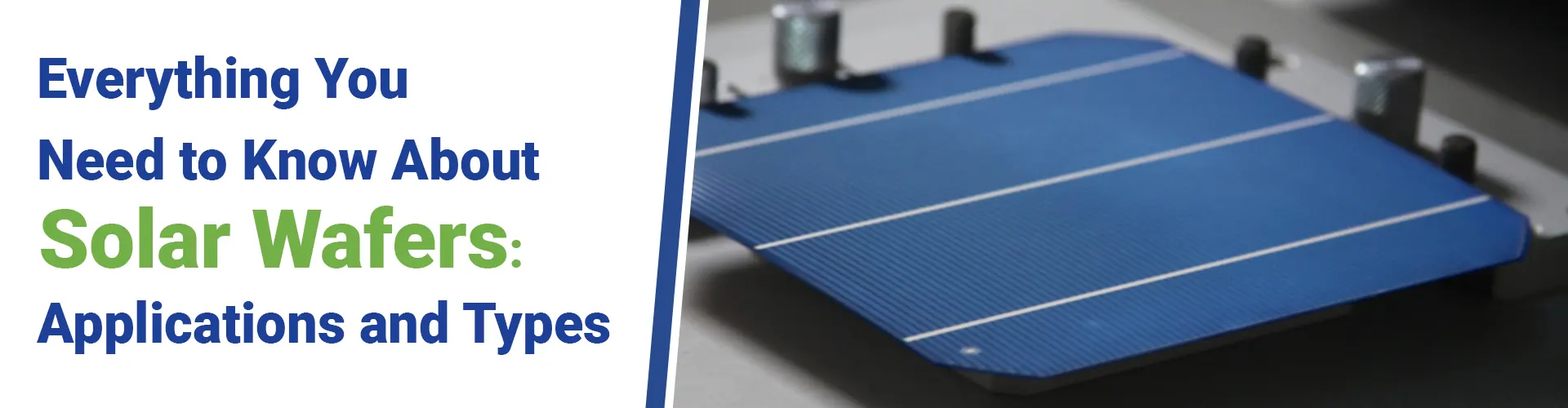
Everything Need to Know About Solar Wafers: Applications and Types

Everything Need to Know About Solar Wafers: Applications and Types

The solar energy industry has witnessed remarkable advancements over the past decade, driven by innovations in new solar panel technologies. At the core of this evolution lies solar wafers, a crucial element in manufacturing solar pv modules. Understanding solar wafers, their types, and applications helps us appreciate the role they play in achieving efficient and sustainable solar energy solutions.

In this blog, we will explore the fundamentals of solar wafers, their applications in solar technology, and the different types available in the market. Whether you are an investor, manufacturer, or solar energy enthusiast, this guide will provide valuable insights into this essential photovoltaic component.

What Are Solar Wafers?

A solar wafer, also known as a silicon wafer, is a thin slice of crystalline silicon that serves as the foundation for fabricating integrated circuits in photovoltaics (PVs). It plays a crucial role in manufacturing solar cells by acting as a semiconductor substrate for microelectronic devices. The production of high-quality solar wafers is vital for ensuring the efficiency and longevity of solar pv modules.

The production of wafers involves highly pure (99.9999999% purity), nearly defect-free single crystalline material. The solar industry primarily utilizes polysilicon and silicon wafers. Additionally, monocrystalline and multicrystalline wafers are employed to meet specific customer requirements.

How Does it Function?

These solar cells draw inspiration from nature. Similar to how plants use photosynthesis, wafer solar cells capture and store energy during the day, making it available for use at night.

Sunlight Absorption: Just as plants soak up sunlight, the solar cell’s surface captures sunlight, initiating the energy conversion process.

Photon Penetration: Photons, the tiny energy carriers in light, travel through the cell’s layers, resembling sunlight filtering through leaves.

Energy Conversion: As photons reach the lower layer, they transfer energy to electrons, setting them in motion.

Electron Flow: Energized electrons break free from their atoms and enter the circuit, generating electrical current.

Powering Devices: These electrons circulate through the circuit, supplying energy to power everything from smartphones to entire homes.

Applications of Solar Wafers

1. Solar Panel Manufacturing

Solar wafers are the primary building blocks of solar panels manufacturing companies. They are processed into solar cells, assembled into solar pv modules, and used by top solar panel manufacturers in India to produce efficient solar panels for residential, commercial, and industrial applications.

2. Consumer and Industrial Electronics

Apart from solar power generation, solar wafers are used in various electronic devices, including calculators, smartwatches, and spacecraft applications where renewable energy sources are necessary.

Types of Solar Wafers

The choice of wafers depends on specific business needs and applications.

Single-crystal solar wafers are the most commonly used type, available in three main categories:

Type A: The most widely used solar wafer, boasting a purity level of 99.999%. It is essential in smartphones, video recorders, and computer storage devices, as well as in applications requiring high density and performance.

Type B: With an even higher purity than Type A, Type B wafers are more challenging to manufacture. They are primarily used in biosensors and high-quality color hardware applications.

Type C: A cost-effective alternative to Type B, Type C wafers have a slightly lower purity level but remain suitable for most applications. They are widely used in logic chip production, enabling integrated circuits to power computers and smartphones, facilitating data transmission and operational functions

Silicon wafers are broadly categorized into two types

Monocrystalline Silicon Wafers

These wafers are composed of a single continuous crystal structure, ensuring superior efficiency and enhanced performance, especially in low-light conditions.

Polycrystalline Silicon Wafers

Formed from multiple silicon crystals, these wafers are a more cost-effective option but generally offer lower efficiency compared to their monocrystalline counterparts.

Advantages of High-Quality Solar Wafers

Increased Efficiency: Higher purity and precision in wafer manufacturing result in more efficient solar energy conversion.

Longer Lifespan: Premium wafers ensure a longer operational life for solar pv modules.

Enhanced Performance: Cutting-edge new solar panel technologies improve wafer performance, leading to better power output.

Cost-Effectiveness: While high-quality wafers may be expensive, they offer better returns in the long run.

Choosing the Right Solar Wafers for Your Needs

When selecting solar wafers, it is essential to consider factors such as efficiency, cost, durability, and application requirements. Leading solar panels manufacturing companies invest heavily in R&D to develop wafers that optimize energy output while minimizing costs.

To explore high-quality solar wafers and solar pv modules, visit our product page .

Wrapping Up:

Solar wafers play a pivotal role in determining the efficiency and longevity of solar pv modules. Whether it’s mono perc solar panels , polycrystalline modules, or thin-film technologies, understanding the different types and their applications can help in making informed decisions.

As one of the leading solar panel manufacturers, we offer high-quality, durable, and efficient photovoltaic panels. Explore our range of solar products by visiting our homepage or contact us for inquiries.

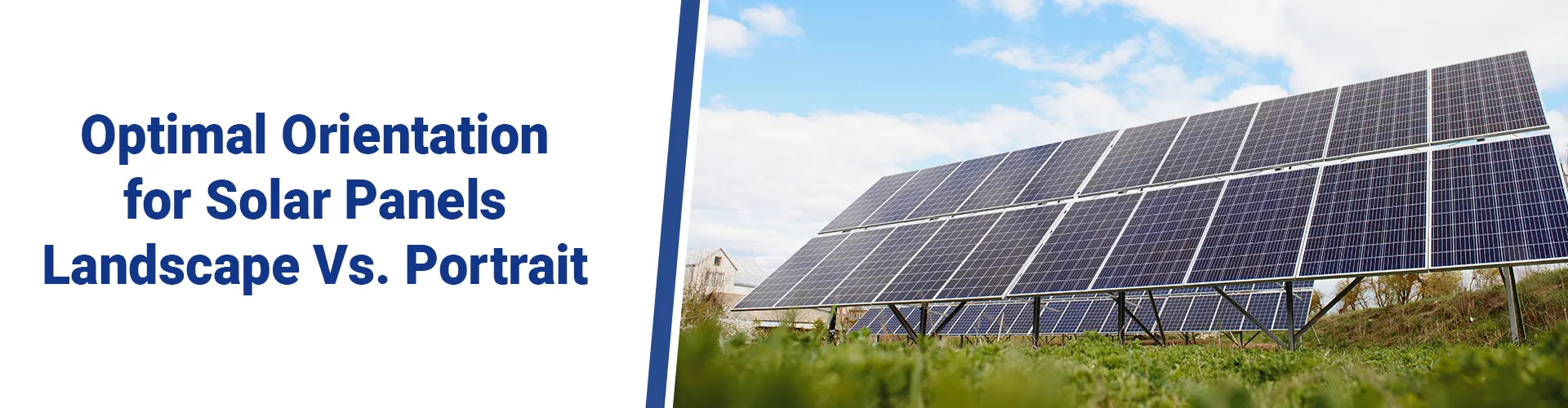
Optimal Orientation for Solar Panels: Landscape vs. Portrait

Optimal Orientation for Solar Panels: Landscape vs. Portrait

Solar energy adoption is on the rise, with individuals and businesses increasingly investing in photovoltaic systems. However, a critical decision in solar panel installation often goes overlooked—the orientation of the panels. Whether to position panels in landscape or portrait orientation can significantly impact efficiency, installation feasibility, and overall energy yield. This blog explores the advantages, drawbacks, and best practices for selecting the optimal solar module orientation based on various factors.

Understanding Solar Panel Orientation

Before deciding on an orientation, it’s essential to understand how solar panels function. A solar pv module converts sunlight into electricity through photovoltaic cells. The arrangement of these modules in an efficient solar module structure ensures maximum energy absorption. The placement and orientation of solar panels are as vital as their type. To maximize energy generation, panels must be positioned at the right angle and direction based on location and weather data. Optimal power is harnessed when sunlight hits perpendicularly.

What is Landscape Orientation

Landscape orientation, where solar panels are installed with their long side parallel to the ground, is a common and preferred choice due to its easy installation and compatibility with various mounting systems. It is often the default for solar designers, especially in commercial projects. However, while convenient, it may not always offer the best performance.

Advantages of Landscape Orientation

Ideal for Rooftop Installations: In residential settings, solar panels are often installed in a landscape orientation due to roof design constraints.

Lower Wind Resistance: Panels laid in a horizontal manner are less susceptible to wind uplift, making them more secure in high-wind regions.

Ease of Installation: Most solar module mounting structures are designed for landscape orientation, reducing the complexity of installation.

Secure Mounting with Rails: Landscape orientation aligns well with standard mounting rails, providing a stable and reliable foundation for solar panels.

Drawbacks of Landscape Orientation

Less Efficient in Certain Conditions: If space is limited, landscape panels may not optimize sunlight exposure compared to portrait setups.

Potential for Dirt Accumulation: Due to their horizontal nature, debris and dirt can accumulate more easily, requiring frequent cleaning.

What is Portrait Orientation

Portrait orientation involves installing solar panels with their long side vertically aligned to the ground. While previously less common, it has gained popularity due to its advantages in various applications.

Advantages of Portrait Orientation

Increased Wind Load: Panels positioned vertically are more exposed to wind forces, requiring stronger mounting solutions.More panels can be installed in portrait orientation in restricted spaces.

Increased Wind Load: Panels positioned vertically are more exposed to wind forces, requiring stronger mounting solutions.

This orientation provides a cleaner, more uniform appearance, ensuring an unobstructed and visually appealing solar panel layout.

Enhanced Performance in Specific Conditions: In regions with high solar insolation, portrait orientation can improve energy generation by capturing more sunlight when the sun is at a lower angle.

Improved Aesthetics: This orientation provides a cleaner, more uniform appearance, ensuring an unobstructed and visually appealing solar panel layout.

Suited for Tracking Systems: Many modern solar energy manufacturer tracking systems favor portrait orientation for better performance.

Drawbacks of Portrait Orientation

Increased Wind Load: Panels positioned vertically are more exposed to wind forces, requiring stronger mounting solutions.

Limited Compatibility with Some Roofs: Residential rooftops may not always accommodate portrait setups effectively.

Factors Influencing the Best Orientation Choice

Choosing the right orientation for solar panels depends on multiple factors:

Geographical Considerations: The location of a solar installation plays a crucial role in determining the optimal panel orientation. In regions with varying sun angles throughout the day, portrait orientation may offer better solar exposure and efficiency.

Roof Space & Layout: For commercial buildings with expansive flat rooftops, landscape orientation is often preferred. However, homes with sloped roofs might benefit from a portrait layout to maximize available space.

Mounting Structures & Support Systems: A well-engineered solar module mounting structure ensures panel stability. Choosing the right support system, such as ground-mounted frames or tracking systems, influences orientation selection.

Solar Panel Efficiency: The efficiency of solar panels depends on their orientation and ability to generate electricity at different angles. While horizontal (landscape) panels may perform better in some cases, vertical (portrait) panels can be more effective in specific conditions.

Type of Solar Modules Used: The latest technology in solar panels impacts orientation choices. Some high-efficiency photovoltaic panels manufacturers offer bifacial panels that benefit from specific orientations to maximize energy generation from both sides.

Wind Load & Environmental Conditions: In regions prone to strong winds, landscape orientation might be preferred to minimize stress on mounting systems.

Wrapping Up

Choosing between landscape and portrait orientation for solar panels depends on numerous factors, including roof structure, mounting system compatibility, environmental conditions, and efficiency needs. Consulting with top solar module manufacturers and using advanced solar tracking tools can help make an informed decision. Whether installing for residential, commercial, or industrial use, selecting the right orientation is key to maximizing the benefits of solar energy.

Are you looking for expert guidance on selecting the right solar panel orientation for your project? Contact PIXON today for consultation and high-quality solar solutions.

Preventing Solar Panel Fire Hazards: A Safety Guide

Preventing Solar Panel Fire Hazards: A Safety Guide

Solar energy has revolutionized electricity generation, offering a clean, cost-effective alternative to traditional power sources. Its benefits – reduced electricity bills, zero greenhouse gas emissions, and low maintenance – have made it increasingly popular across the globe. In India, its adoption extends beyond urban rooftops to rural villages, empowering communities with sustainable energy solutions.

However, while the benefits are significant, it’s crucial to understand the safety aspects of solar energy systems. Though rare, solar panel fires can pose serious risks to property and people. Whether you’re planning to install a solar system for a residential apartment, individual home, commercial space, or any other facility, it’s essential to be informed about potential fire hazards.

In this blog, we’ll explore how often solar panel fires occur, their common causes, prevention strategies, and the safety measures you should consider before installing a solar system.

The transition to clean energy has made solar power a mainstream source of electricity. With increasing installations by leading solar panel manufacturers in India , the spotlight is also on ensuring the safety of solar energy systems. While rare, solar panel fires can occur, and understanding the causes, risks, and prevention methods is essential for safe operation.

Understanding Fire Hazards in Solar Energy Systems

Solar power systems, particularly solar PV modules, are generally safe when installed and maintained correctly. However, they are electrical systems, and like any such system, they can become fire hazards under specific conditions.

Preventing any risk begins with identifying its root cause. Before diving into prevention and safety strategies for solar panel fire hazards, it’s important to understand the factors that can lead to such incidents.

1. Flaws in Solar Panel Design

Design errors in a solar system can significantly raise the risk of fire. Issues like improper electrical wiring, poor ventilation, or incorrect insulation can cause heat to build up. Over time, this heat may lead to electrical failures or fire. To avoid such risks, it is crucial to choose solar panels from reputable and certified solar panel manufacturers who strictly adhere to safety protocols and industry standards.

2. Defective Components

Malfunctioning parts—such as connectors, wiring, inverters, or isolators – are common culprits behind overheating, short circuits, or electrical arcing. These issues can escalate quickly if not addressed. That’s why routine maintenance and professional inspection of your rooftop solar system are essential. Early detection of component defects helps prevent major safety hazards.

3. Improper Installation

Poor installation is another leading cause of solar panel-related fires. Common errors include loose terminal connections, insufficient grounding, or water intrusion into DC isolators. These flaws can lead to excessive heating or electrical failure. DIY installations without proper knowledge can be risky – always rely on certified, experienced installers who follow safety standards and best practices.

4. Environmental and Climatic Factors

While human error is a significant factor, natural elements can also contribute to fire risks. Lightning strikes, high temperatures, hailstorms, or nearby external fires may damage your solar setup. Although these are beyond human control, regular inspections and maintenance can help identify damage early and ensure timely repairs to minimize fire risks.

Each of these issues can be mitigated by choosing experienced solar energy manufacturers and certified installers.

Choosing the Right Solar Module Structure for Safety

A well-designed solar module structure provides adequate ventilation and ensures heat dissipation. The type of frame and racking system plays a role in preventing heat accumulation, a common precursor to thermal runaways and fires.

Tips for Safe Structural Design:

  • Opt for anodized aluminum frames with high corrosion resistance
  • Ensure proper earthing and bonding
  • Use fire-rated materials wherever possible

Practical Steps to Prevent Solar Panel Fire Hazards

While solar systems are generally safe, a few preventive measures can go a long way in minimizing fire risks. Here are some essential steps every solar system owner should follow:

1. Hire Certified and Experienced Installers

Always choose certified professionals for your solar installation. Trained installers follow established safety protocols, ensure proper grounding, and securely connect every component – drastically lowering the chances of loose wiring, short circuits, or faulty assembly. Partnering with certified experts means your system is compliant with national and international safety standards.

2. Schedule Routine Maintenance and Inspections

Regular upkeep is key to maintaining the long-term safety and efficiency of your solar system. Engage qualified technicians to inspect panels, junction boxes, inverters, and wiring at least once a year. This proactive approach helps detect wear, corrosion, or potential faults early – before they escalate into serious hazards.

3. Use Smart Monitoring Systems

Modern solar systems come equipped with advanced monitoring technologies that allow real-time tracking of performance. Mobile apps and dashboards can alert you to unusual behavior, such as sudden drops in output or abnormal voltage patterns. Addressing these anomalies quickly can prevent larger technical issues.

How PIXON Ensures Fire-Safe Solar Installations

At PIXON, we prioritize safety by using top-tier materials and following strict quality protocols. Our products include fire-rated backsheets, smart connectors, and premium mono PERC solar panels that reduce the risk of thermal events.

Explore our products page or contact us to learn more.

Related Blogs:

  • Importance of Site Survey in Solar Installation
  • Easy Guide to Choosing High Quality Solar Panels
Final Thoughts

Solar energy is one of the safest and cleanest power sources when implemented correctly. With the right components, proper installation, and timely maintenance, the risk of fire can be almost entirely eliminated. Always choose products from trusted solar panel manufacturers, ensure compliance with national and international standards, and conduct regular inspections.

For more information on fire-safe solar installations, contact us today and let our experts guide you.

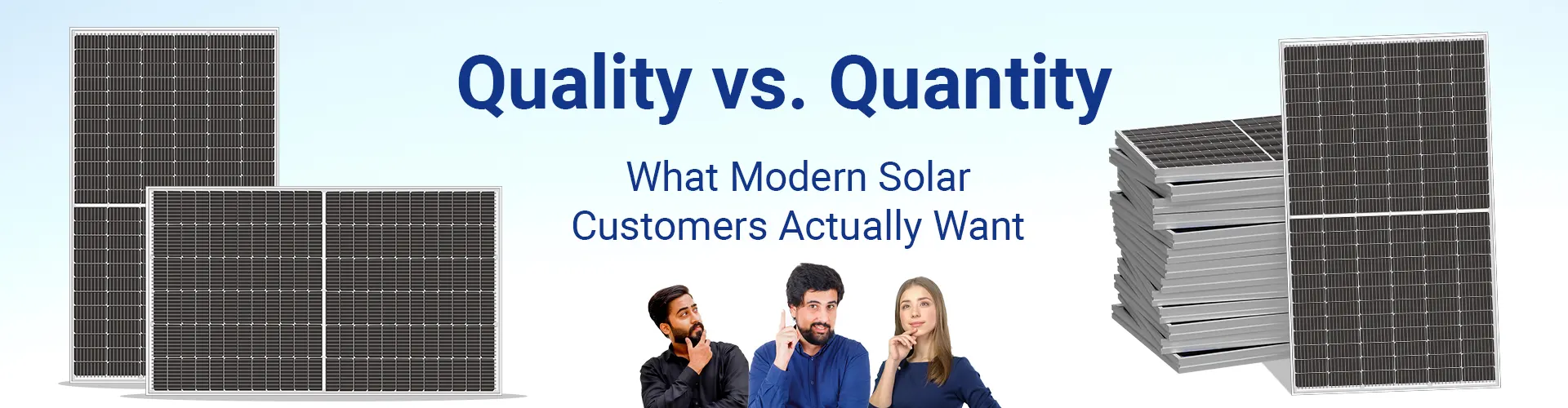
Quality vs Quantity What Modern Solar Customers Actually Want

Quality vs. Quantity: What Modern Solar Customers Actually Want

In the ever-evolving world of solar energy, there is often a debate between quality and quantity. As modern solar customers, it can be challenging to navigate through the myriad of options and determine what truly matters to us. Are we more concerned about having the highest number of solar panels possible, or do we prioritize the highest quality materials and technology? In this newsletter, we aim to explore what modern solar customers actually want and how we can make informed decisions that align with our values and goals. Let’s dive in and shed some light on this important topic together.

Background:

In large-scale solar installations, the traditional metric of success has often been MW installed. However, system operators and investors are increasingly recognising that module quality, material science and degradation rates have more significant long-term financial and performance implications than initial quantity or cost. PIXON’s vertically integrated manufacturing of solar modules and EVA films offers unique insights into how high-spec materials and controlled production environments can deliver enhanced performance over 30 years.

Key Technical Factors Driving the Shift Towards Quality

1. Degradation Rate Matters More Than Initial Wattage

  • Lower-cost, high-volume modules often degrade at >0.7% per year , while premium modules can achieve rates as low as 0.3-0.45% annually.
  • Over 30 years, this difference can result in 8-12% more energy yield, directly impacting LCOE (Levelised Cost of Energy).
  • PIXON’s use of advanced encapsulants (e.g. POE, Ultra-Fast Cure EVA) ensures minimal potential-induced degradation (PID) and higher light transmission.

2. Module Efficiency & BOS Cost Optimisation

  • High-efficiency modules (e.g. Mono PERC Half-Cut cells) reduce the number of panels needed per MW.
  • This leads to:
    • Fewer structures
    • Lower cabling costs
    • Reduced labour and installation timelines
  • PIXON’s use of advanced encapsulants (e.g. POE, Ultra-Fast Cure EVA) ensures minimal potential-induced degradation (PID) and higher light transmission.

3. Material Integrity & Long-Term Performance

  • Cheaper modules often use low-grade EVA that yellows, shrinks, or delaminates under UV or damp-heat exposure.
  • PIXON EVA films are engineered for:
    • UV stability (≥3,000 hours tested)
    • Lower shrinkage ( <2% )
    • PID resistance at 85°C/85% RH
  • These properties ensure optical and mechanical stability, critical in hot and humid climates.

4. Thermal Management & Energy Yield

  • High-quality modules maintain lower operating temperatures due to better material conductivity and uniform lamination.
  • This improves: 
    • Temperature Coefficient Stability
    • Output under NOCT (Nominal Operating Cell Temperature)
    • Result: Higher average daily yield, especially in tropical installations.

5. Glass-to-Glass vs. Backsheet Module Choices

  • Glass-to-glass modules offer: 
    • Improved mechanical strength
    • Double-sided encapsulation (ideal for bifacial applications)
    • Longer durability under high wind/snow loads
  • PIXON manufactures both Glass-to-Glass and Transparent Backsheet modules, tailored to site-specific requirements.

6. Encapsulant Engineering = Reliability Backbone

  • Many module failures originate in EVA degradation. PIXON’s cleanroom-manufactured encapsulants ensure:
    • Controlled cross-linking
    • Even lamination without voids
    • Fast-curing properties that reduce thermal stress during lamination
  • Use of POE film further improves resistance to moisture ingress and PID, particularly important in coastal and high-humidity zones.

7. Certifications, Testing & Traceability

  • Premium modules come with:
  • IEC 61215, IEC 61730, IEC 62804 (PID), and Salt Mist/Ammonia Corrosion certifications
  • EL testing before and after lamination
  • Serialised data matrix codes for traceability
  • PIXON integrates advanced QC protocols at both EVA and module levels to ensure long-term product reliability.

Key Takeaway

Modern solar customers—especially utility-scale project owners—require bankable, reliable, and low-maintenance assets. The upfront cost advantage of quantity-focused procurement is quickly outweighed by the risks of performance loss, higher O&M costs, and financial underperformance over 30 years.

Technical advantage lies in:

  • High-efficiency, low-degradation modules
  • Advanced encapsulants with PID and UV resistance
  • Reduced BOS cost through higher output per panel
  • Proven durability with certifications and real-world performance

PIXON’s Role in the Quality Paradigm

  • With in-house production of both solar modules and EVA/POE films, PIXON delivers full-stack control over material quality and lamination processes—something that few manufacturers globally can claim.
  • This integration not only enhances consistency and traceability but ensures each module is engineered for real-world resilience , not just factory output

Key Technical Resources & References

1. IEC Standards for Solar Modules:

  • IEC 61215: Design qualification and type approval
  • IEC 61730: Safety qualification
  • IEC 62804: PID resistance testing
  • IEC 62716: Ammonia corrosion test
  • IEC 61701: Salt mist corrosion testing

2. NREL (National Renewable Energy Laboratory) Reports:

  • “Photovoltaic Degradation Rates — An Analytical Review”
  • “Best Practices for PV Module Reliability”

3. PI Berlin & TÜV Reports (relevant to encapsulant performance & PID resistance):

  • Encapsulant ageing and UV degradation studies
  • Cross-linking density and shrinkage analysis of EVA vs. POE

4. PIXON Internal Quality Control Data:

  • Controlled lamination using Clean Room for EVA/POE film
  • Serialised traceability system for each module batch
  • In-house accelerated ageing tests (UV, DH, TC, PID)

5. Software Tools (for further analysis):

  • PVsyst (energy simulation incorporating degradation rates)
  • SAM (System Advisor Model by NREL)
  • PAN files of PIXON modules for project-specific simulations


Solar Manufacturing in India: Intersection of AI and blockchain

Welcome to the latest edition of our newsletter. In this issue, we will explore the intersection of AI and blockchain with the solar industry. This time, we shift focus back to the core of our business – solar panel manufacturing in India and the exciting developments driving the renewable energy sector. This issue explores solar panel production, advancements in solar technology such as TopCon and HJT modules, the increasing use of energy storage, and PIXON’s rise as a major Indian solar panel manufacturer.

India’s Booming Solar Manufacturing Landscape

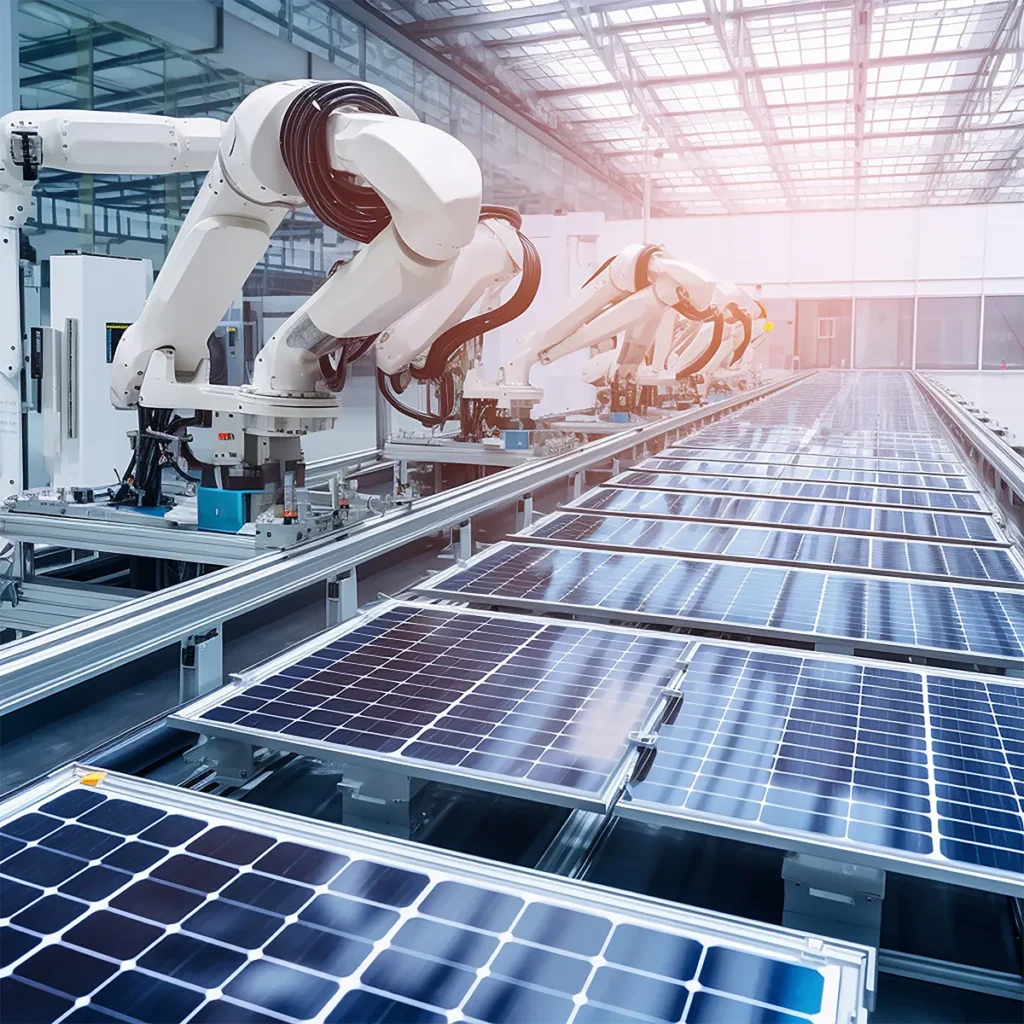
India’s renewable energy push has supercharged the local solar manufacturing industry. Government initiatives and rising demand have led to a rapid expansion of domestic production capacity. In fact, solar PV module manufacturers in India have nearly doubled the country’s module production capacity from 38 GW in March 2024 to 74 GW in March 2025. This growth, aided by the production-linked incentive (PLI) scheme, is creating jobs and reducing reliance on imports. The nation also added a record 25 GW of renewable energy in FY 2024-25, with solar power contributing almost 21 GW. As the country strives for energy self-reliance, the best solar companies in India are investing heavily in new factories and technologies to meet ambitious targets.

Such exponential growth solidifies India’s position as a global hub for solar manufacturing. Policy support has been key – for example, the government now mandates that new large solar projects include energy storage for at least 10% of their capacity, ensuring stability for the grid. This move is expected to drive installation of ~14 GW of storage by 2030, further integrating renewable energy into India’s power mix. With strong government backing and innovation, solar panel manufacturers across India are scaling up production and aiming for higher efficiencies. It’s an exciting time for the industry, and companies are racing to position themselves among the best solar panel companies in India by focusing on quality and technological advancement.

PIXON – Leading Solar Manufacturing Company in Gujarat

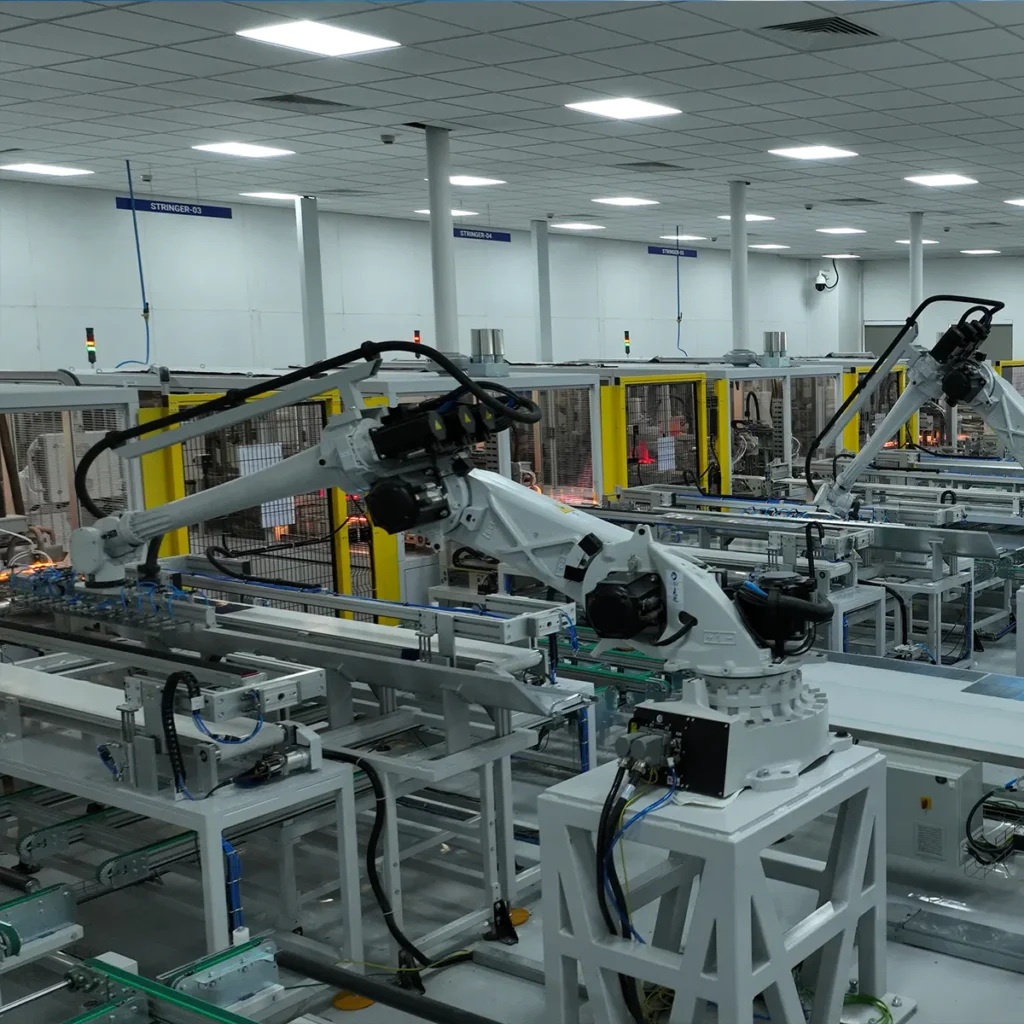
PIXON’s Advanced Manufacturing Facility: PIXON operates a state-of-the-art solar panel manufacturing facility in Gujarat, India, with an annual module production capacity of 1 GW . As a solar module manufacturing company in India, PIXON not only produces high-efficiency solar PV modules but also manufactures key solar components like EVA encapsulant films in-house to ensure quality and supply chain reliability. Founded in 2019 and backed by the Marwadi Group (with over 30 years of business experience), PIXON has quickly risen to rank among the top 10 solar energy manufacturers in India.

PIXON’s growth story is a testament to its commitment to innovation and excellence. The company started with a 400 MW module line and is upgrading to 1 GW with multi-busbar technology for improved panel efficiency. It has also established a 1 GW production line for EVA film using European technology, making it one of the few solar products manufacturers in India with such vertical integration. As a home-grown solar panel manufacturing company in India headquartered in Gujarat, PIXON benefits from the region’s strong industrial ecosystem and government support. The company has announced plans to further expand – adding another 1 GW module facility with integrated production lines to manufacture TopCon and HJT technology Modules. This forward-looking approach positions PIXON as a trailblazer, exemplifying what a solar manufacturing company in India can achieve through strategic investment and innovation. With its focus on quality and cutting-edge tech, PIXON strives to be the best solar panel company in India, delivering reliable products that drive the country’s renewable energy ambitions.

Development in Mono-PERC and other modules technology

This leap in performance means modern solar modules produce more power using the same amount of sunlight, marking a significant step forward in renewable energy solutions.To remain competitive, solar module manufacturers are adopting the latest technology in solar panels, from advanced cell structures to improved panel architectures. PIXON, for instance, is leveraging mono PERC (Passivated Emitter and Rear Cell) technology and plans to introduce next-generation panels with heterojunction (HJT) and TOPCon cells by FY 2026-27 – innovations that significantly boost efficiency and performance.

The latest technology trends in solar panels can be summed up by a few key innovations being embraced by the best solar companies in India:

Monocrystalline PERC Modules: High-purity silicon cells combined with PERC technology to capture more light and deliver higher efficiency than traditional modules.

Bifacial Panels: Panels that produce power from both sides, capturing reflected sunlight on the rear side to increase energy yield.

Multi-Busbar (MBB) Cells: Using multiple thin wire busbars in cells reduces resistance and power loss, improving module efficiency and durability. PIXON’s manufacturing upgrade to multi-busbar tech is one example of this enhancement.

HJT and TOPCon Cells: Cutting-edge cell designs. HJT (Heterojunction) layers crystalline and thin-film silicon for ultra-high efficiency, while TOPCon (Tunnel Oxide Passivated Contact) cells use advanced

passivation for better performance. PIXON is preparing to roll out panels with these technologies, keeping us at the industry’s technological forefront.

By incorporating these innovations, solar panel manufacturers in India are pushing the boundaries of panel output and reliability. The result is more power from each solar PV module and a lower cost per watt, making solar energy an even more attractive source of power for both large projects and everyday consumers.

The emergence of storage presents a chance for solar developers like PIXON to provide more complete energy solutions.Reliable batteries and energy storage systems enable solar power to be used on demand, reducing intermittency issues and helping maintain grid stability. We are closely watching advancements in battery technology – from improved lithium-ion batteries to emerging alternatives – to complement our solar offerings. By integrating storage, the solar manufacturing company in India of tomorrow won’t just sell modules, but complete solutions for round-the-clock clean power. The convergence of solar and storage is set to revolutionize how we think about energy, moving us closer to a future where clean solar electricity powers our homes and businesses day and night.

Empowering India’s Renewable Energy Future

The strides in solar manufacturing and technology are not just about business growth; they are about building a sustainable future. India’s commitment to renewable energy is clear, with a target of 500 GW of non-fossil fuel capacity by 2030, and every new innovation brings us a step closer to that goal. PIXON is proud to contribute to this vision. By continuously improving our solar PV modules and embracing the latest industry trends, we ensure that our partners and customers get the latest technology in solar panels and reliable performance. Our journey from a startup in 2019 to a solar module manufacturer with gigawatt-scale capacity reflects the potential of Indian enterprise and engineering.

In summary, this edition spotlighted how India’s solar industry is evolving and how PIXON is leading the charge. From ramping up manufacturing capacity and pioneering monocrystalline module technology, to exploring energy storage integrations, we remain committed to delivering excellence at every step. As one of the best solar panel manufacturers in India, PIXON will continue to innovate and set higher benchmarks in quality and sustainability.

Thank you for reading, and stay tuned for more updates on how PIXON and the solar industry at large are shaping India’s clean energy landscape.

The Sky is Not Always Friendly

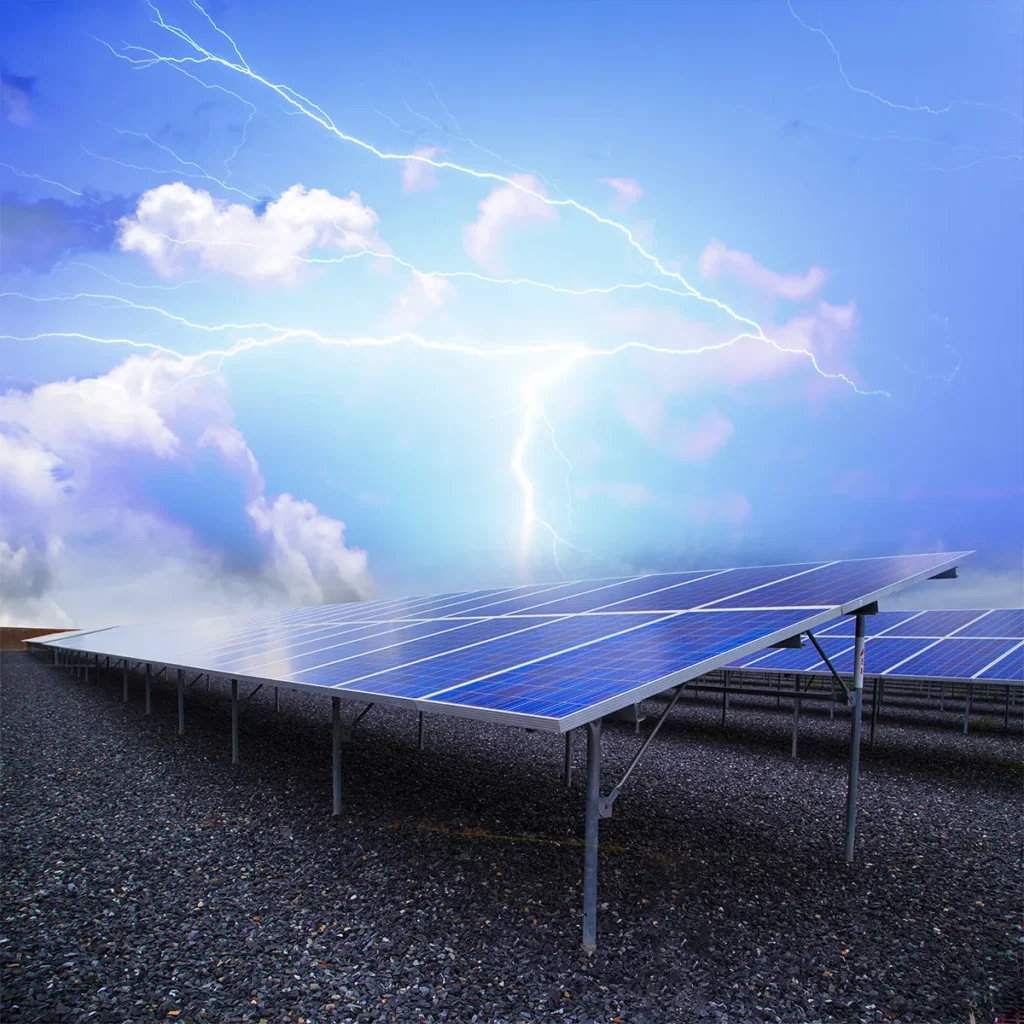
As solar energy continues to rise as a reliable and sustainable power source, the scale and sensitivity of solar installations demand critical safety measures. One of the most overlooked, yet essential, aspects of solar project safety is lightning protection. Solar panels, by design, are installed in open spaces and elevated locations, often becoming attractive targets for lightning strikes.

In this edition of our Solar Progress Newsletter, we delve into the need, mechanism, and modern advancements of lightning protection systems in solar energy projects.

What are Lightning Arrestors?

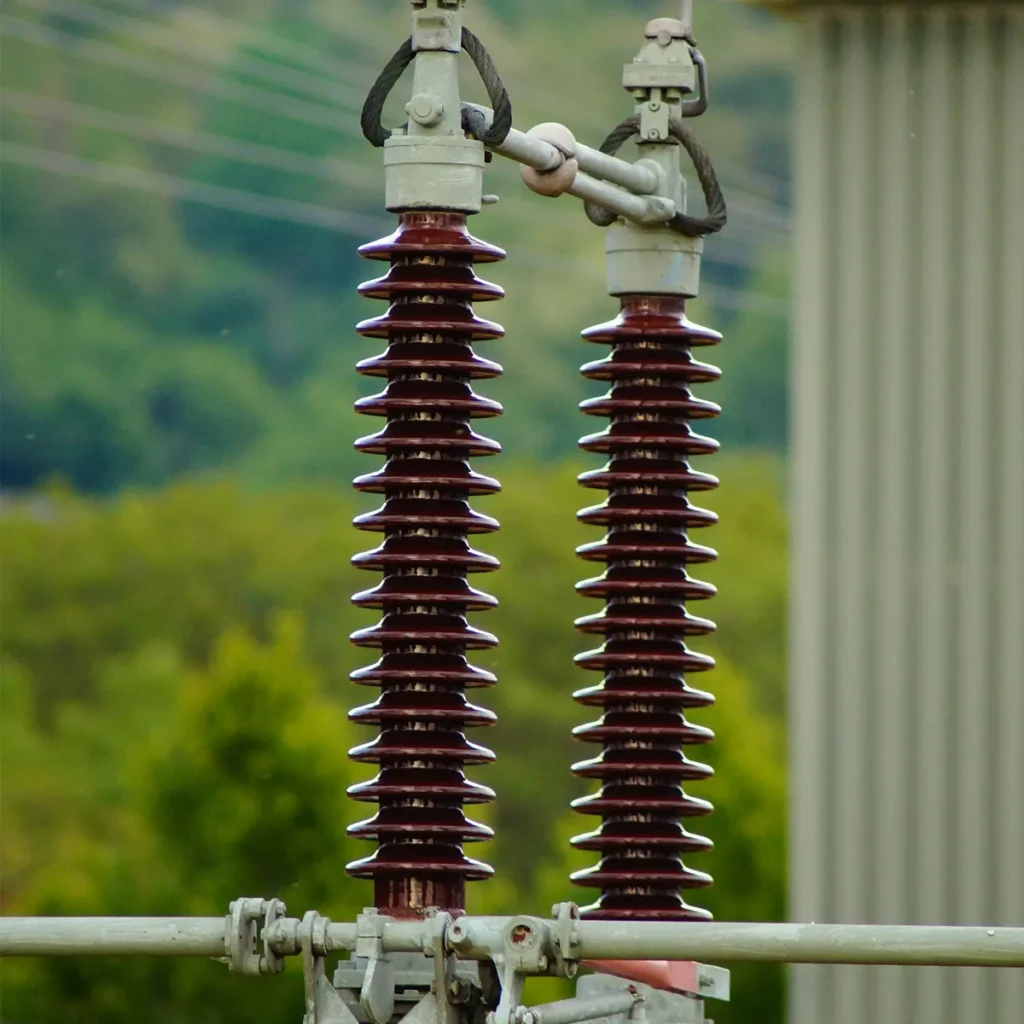
A lightning arrester is a protective device designed to shield electrical circuits from the damaging effects of lightning strikes. These strikes generate high transient voltages, isolation arcs, sparks, and surge currents that can severely harm electrical systems. Lightning arresters work by safely diverting this excess voltage to the ground, preventing damage to the connected equipment. Additionally, proper grounding or earthing—along with ground wires—offers further protection by minimizing the risk of direct lightning strikes on overhead lines and electrical installations.

In a solar rooftop system, a lightning arrester acts like a vigilant watchman—constantly alert and guarding the installation from the destructive impact of lightning strikes. Working alongside surge protectors and lightning diverters, it channels the high-voltage energy safely through low-impedance paths. This prevents harmful electrical surges from entering the solar panels and connected equipment, ensuring the system remains safe and functional.

The Growing Scope of Solar Installations in India

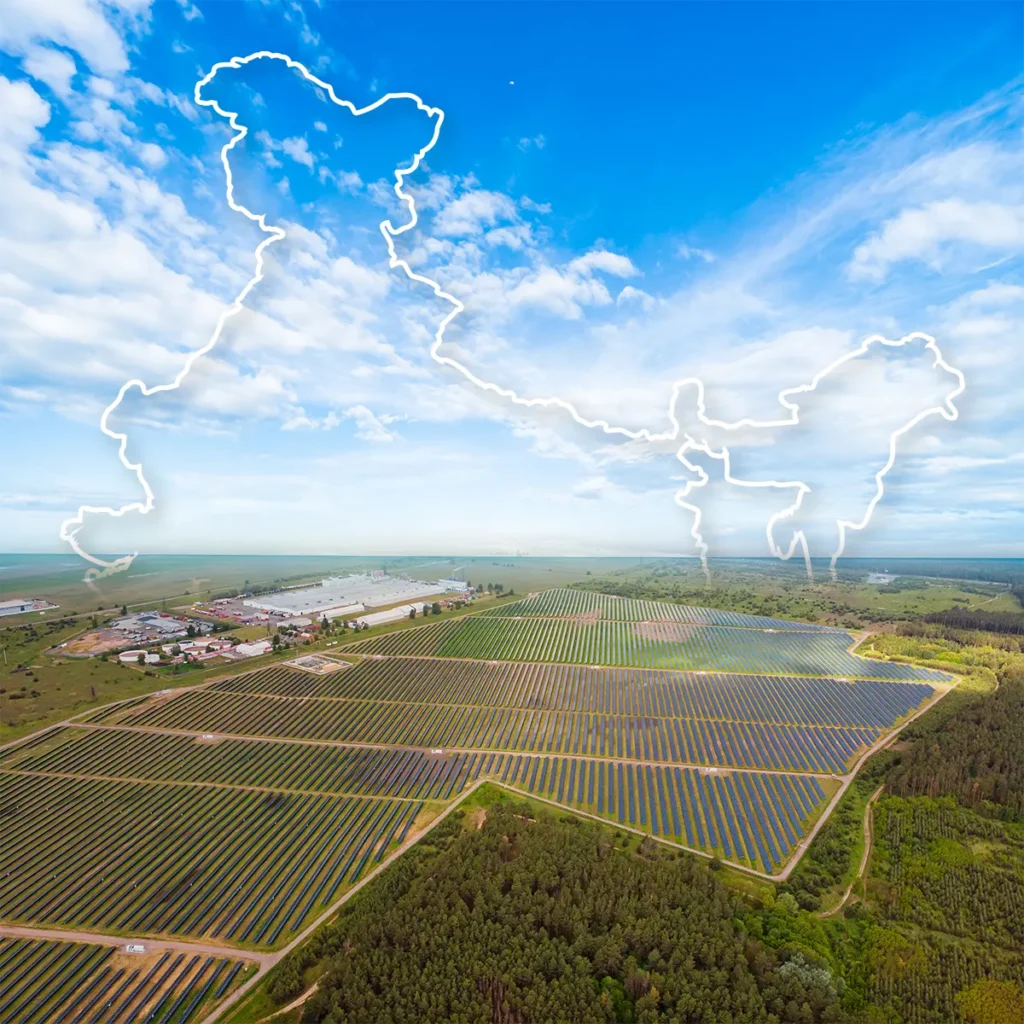
India is witnessing a revolution in renewable energy, with solar energy leading the charge. Backed by government schemes, falling panel prices, and climate urgency, both large-scale solar farms and residential rooftop systems are on the rise. As the number of installations grows, so does the need to protect these investments from environmental hazards — particularly lightning.

As a solar energy manufacturer or EPC player, safety is more than just compliance. It’s a long-term commitment to performance, efficiency, and client trust.

Why Lightning Protection is Crucial in Solar Projects:

Geographic Risk: India’s monsoon climate makes most regions vulnerable to lightning strikes, especially during the pre-monsoon and monsoon seasons. Solar panels mounted on rooftops and ground-mounted solar PV modules become direct targets.

High Capital Investment: With high-value components like solar panels, inverters, and monitoring equipment, even a single surge can lead to significant financial losses.

Operational Downtime: A strike can halt the energy generation process, disrupting supply and affecting power purchase agreements or ROI timelines.

Risk to Life and Property: Poorly protected systems can transmit surges into buildings, posing danger to human lives and connected appliances.

How Lightning Arrestors Work

A lightning arrestor or SPD is designed to protect electrical equipment from over-voltage transients caused by external (lightning) or internal (switching) events. It acts as a conduit that diverts the surge to the ground before it reaches sensitive components like inverters or control systems.

Lightning Arrester Process:

Lightning arresters are strategically installed near critical components such as electrical panels or generators to safeguard sensitive equipment. When lightning strikes, the arrester activates, safely diverting the electrical surge away from vital systems and channelling it into the ground where it dissipates without causing harm.

It’s important to note that a lightning arrester does not stop lightning from striking. Instead, it manages the surge by providing a controlled path for the electrical discharge. This ensures that the high-voltage energy doesn’t damage costly or essential electrical infrastructure.

As a crucial component of a comprehensive lightning protection system, lightning arresters enhance safety by responding to incoming surge waves. Once a wave reaches the arrester, it exceeds a set voltage threshold, prompting the arrester to create a low-resistance path between the power line and the ground. This action effectively limits the current and protects insulation and connected equipment from damage.

Types of Lightning Arresters

While the functioning of lightning arresters may involve complex mechanisms, their core purpose remains the same — to offer a low-resistance path for electrical surges to safely travel to the ground. Commonly referred to as surge diverters or lightning dischargers, these devices are essential in protecting electrical systems from damage.

Below are the different types of lightning arresters commonly used in solar panel installations:

  • Rod Gap Arrester
  • Horn Gap Arrester
  • Impulse Protective Gap Arrester
  • Thyrite Lightning Arrester
  • Oxide Film Arrester
  • Sphere Gap Arrester
  • Multiple-Gap Arrester
  • Electrolytic Arrester
  • Valve Type Lightning Arresters
  • Auto valve Arrester
  • Metal Oxide Lightning Arrester

Designing a Lightning Protection System (LPS) for Solar Plants:

When integrating lightning protection into a solar installation, several factors need careful consideration:

Site Assessment: Evaluate the lightning density and keraunic level (number of thunderstorm days/year) of the region.

Solar Module Structure and Height: Taller modules need better air terminal coverage, especially in elevated locations like hilly terrains or rooftops.

Earthing Systems: Copper-coated or galvanized rods are used to safely discharge excess current into the ground. The quality and depth of earthing significantly affect performance.

Panel Arrangement & Wiring: The layout of the solar panels and wiring can act as unintentional conductors. A well-planned layout minimizes exposed loops and ensures shorter conductor paths to ground.

Latest Technology in Solar Panels and Inverters: With the advent of high-efficiency solar PV modules and smart inverters, compatibility with surge protection standards becomes essential.

External Protection Systems

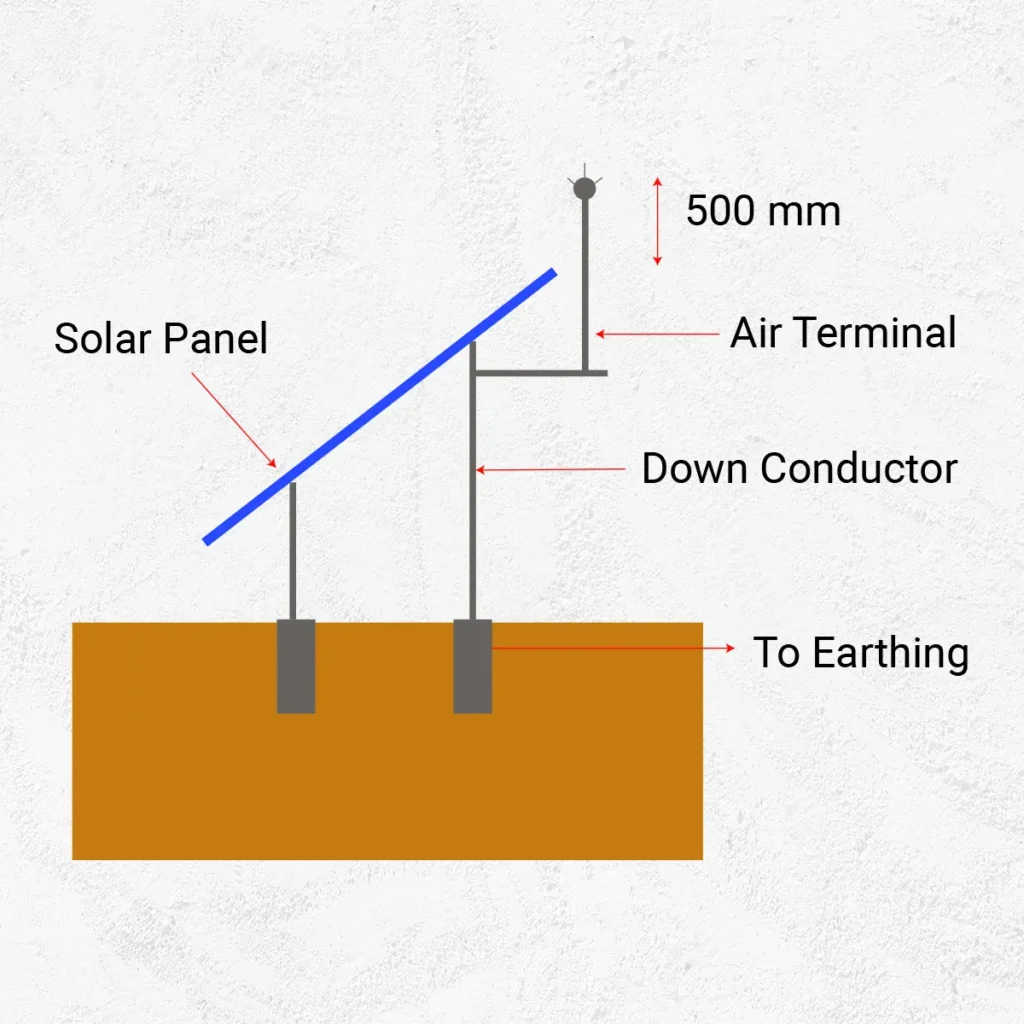
External protection systems are designed to shield solar rooftop installations from direct lightning strikes. These systems activate only when a lightning strike occurs, safely redirecting the energy away from the solar panels and connected equipment. By doing so, they help prevent damage and ensure the continued safety and functionality of the entire solar setup.

Key Components in a Lightning Protection System for Solar:

  • Air Termination System
  • Down Conductors
  • Earth Termination SystemA

Internal Lightning Protection System (LPS)

An Internal Lightning Protection System (LPS) is implemented to safeguard the building and its electrical infrastructure from indirect lightning strikes. This system ensures safety through the following methods:

  • SPD (Surge Protection Devices)
  • Lightning Equipotential Bonding

IEC Standards for Lightning Protection

The International Electrotechnical Commission (IEC) sets global standards for electrical, electronic, and related technologies. For lightning protection, the BS EN/IEC 62305 standard provides a comprehensive framework, structured into four key parts:

  • General Principles
  • Risk Management
  • Protection against Physical Damage and Life Hazards
  • Protection of Electrical and Electronic Systems

These standards ensure a systematic approach to safeguarding structures and systems from lightning-related risks.

Common Challenges and Solutions in LPS Design

The International Electrotechnical Commission (IEC) sets global standards for electrical, electronic, and related technologies. For lightning protection, the BS EN/IEC 62305 standard provides a comprehensive framework, structured into four key parts:

Challenge Solution
Improper grounding in rural areas Use chemical earthing for longevity and efficiency
High cost of copper Employ galvanized iron (GI) with anti-corrosion treatment
Lightning bypassing the arrestor Recalculate protection radius and increase height of rods
Interruption of solar generation due to surge Install SPDs at both AC & DC ends of inverters

The Way Forward: Don’t Let Lightning Strike Your Investment

Investing in a reliable lightning protection system is not a luxury — it’s a necessity for every solar energy project, whether residential, commercial, or utility-scale. With climate uncertainties and extreme weather events becoming more frequent, protection is a pillar of sustainability.

As leading solar panel manufacturers in India , it’s our responsibility to ensure our products and installations are designed not just for performance but for resilience. Whether you’re choosing a solar pv module for your rooftop or planning a solar farm, ensure that lightning protection is a non-negotiable part of your checklist.

Conclusion

Solar energy is powering a greener future, but securing that future needs thoughtful action. With carefully planned lightning protection systems, you’re not only saving your infrastructure — you’re protecting an ecosystem of investments, trust, and clean power generation.

As a top-tier solar module manufacturer , our commitment goes beyond manufacturing. We believe in enabling robust, future-ready, and safe solar infrastructure for all.

Let’s build solar smarter. Let’s build solar safer.

Get in touch with us today to know more about our lightning protection-integrated solar solutions!

Understanding Solar Panel Grades in India: A Comprehensive Guide

India’s solar energy sector is growing at an unprecedented rate, thanks to technological advancements and government initiatives promoting renewable energy . Understanding the quality and grades of solar panels is essential for investors, businesses, and homeowners looking to harness solar energy efficiently. This guide explores solar panel grades, their significance, and how to choose the best panels in India.

What Are Solar Panel Grades?

Defining Solar Panel Grades

Solar panel grades classify the quality and efficiency of photovoltaic (PV) modules based on their manufacturing standards, performance, and durability.

In India, solar panel manufacturers categorize their products based on performance, efficiency, and quality. The grading system—ranging from Grade A (highest quality) to Grade D (lowest quality)—reflects a solar cell’s ability to convert sunlight into electricity and the overall durability of the panel.

Different Types of Solar Panel Grades:

Grade A: Grade A solar cells offer an impressive output efficiency, making them one of the most reliable choices in the market. Their durability ensures long-term performance, operating efficiently for several years before experiencing a gradual decline in energy output.

Grade B: Grade B solar cells are considered entry-level options in the solar market. While they may not offer the highest performance, they remain reliable and are a cost-effective choice for projects with budget constraints.

Grade C: Grade C solar cells offer basic performance with an average output efficiency. They are commonly used in low-energy demand applications due to their affordability, making them a budget-friendly option for projects with minimal power requirements.

Grade D: Grade D solar panels provide limited performance but serve as an affordable solution for budget-sensitive projects. Their low cost makes them suitable for applications where size and financial constraints are the primary considerations.

Importance of Solar Panel Grades

Why Do Solar Panel Grades Matter?

The grade of a solar panel affects its efficiency, durability, and return on investment. Top solar panel manufacturers in India follow strict quality control measures to ensure Grade A panels for maximum efficiency and performance. Understanding these grades helps buyers make informed decisions when selecting solar energy solutions.

Knowing the different solar panel grades helps you choose the most suitable option for your project by balancing efficiency, cost, and long-term performance.

The Role of Solar Panel Manufacturing

Quality is key in solar panel production, particularly in solar cell manufacturing. The purity of materials and precision in the manufacturing process directly impact a panel’s power grade, influencing its efficiency and durability.

Navigating the Solar Landscape: Making an Informed Decision

When selecting solar panels, it’s essential to consider efficiency ratings and performance metrics to maximize your return on investment. Understanding the classification system ensures you choose an energy-efficient solution that delivers optimal performance in the renewable energy sector .

Latest Technology in Solar Panels
Innovations Driving Solar Energy Growth

The latest technology in solar panels is revolutionizing India’s renewable energy landscape. Some emerging innovations include:

Bifacial Solar Panels: Capture sunlight from both sides for enhanced efficiency.

Half-Cut Cell Technology: Reduces energy loss and improves durability.

PERC (Passivated Emitter and Rear Contact) Technology: Increases energy absorption.

TOPCon (Tunnel Oxide Passivated Contact) Panels: Offer superior power output and longevity.

Choosing the Right Solar Panel Manufacturer in India

Factors to Consider

Selecting the right solar module manufacturer is critical for ensuring long-term energy savings and sustainability. Key factors to consider include:

Reputation & Experience: Choose from the best solar companies in India with a proven track record.

Certifications & Quality Standards: Look for certifications like IEC, BIS, and MNRE approval.

Panel Efficiency & Performance: Higher efficiency panels yield better energy output.

Warranty & After-Sales Support: Ensure long-term reliability and service.

How to Evaluate Solar Panel Grades: Key Factors to Consider

Selecting the right solar panel grade requires careful inspection and understanding of quality indicators. Here are two critical aspects to assess when determining a panel’s grade:

1. Visual Inspection: Key Quality Checks

Surface Inspection: Examine the tempered glass surface closely. Panels from smaller manufacturers may have a rough finish with residual silicone sealant, which can reduce energy generation efficiency.

Cell Condition: Check for edge chipping or cracks in the solar cells. Some manufacturers use broken or spliced cells, which pose significant safety risks and impact overall panel performance.

Back Panel Quality: Inspect the backsheet for wrinkles, bubbles, or uneven surfaces after pressure testing. Any irregularities suggest inferior quality and reduced durability.

Frame Alignment: Ensure that the panel frame is straight and well-structured. Many low-cost manufacturers use manual framing, resulting in poorly shaped or weak structures that compromise the panel’s integrity.

Silicone Application: Check whether the silicone sealant is evenly applied around the back of the panel. Proper sealing ensures protection against moisture and external damage.

Welding Precision: Closely inspect the welding of solar cell strings for consistency and precision. Any gaps or missing welds can significantly impact energy transmission. Additionally, the cell arrangement should be uniform for optimal performance.

Junction Box Inspection: Verify that the junction box is firmly secured and that its cover fits tightly. The outlet wire lock should be easy to rotate and properly tighten to prevent electrical issues.

Purchase from Authorized Sources

To ensure you get Grade A solar panels, always purchase from authorized distributors of reputed solar panel manufacturers. Verify key documents such as:

  • Quality assurance contracts.
  • Invoices
  • Warranty documents (25- 27 year guarantee for Grade A panels)

As the demand for solar energy increases, many new solar modules factories have entered the market. While reputable solar module manufacturers conduct strict quality checks and categorize panels into Grades A, B, C, and D, some small-scale factories repackage old or low-quality cells and sell them as new panels.

The Future of Solar Energy in India
Moving Towards a Sustainable Future

With continuous advancements in solar energy, India’s transition to renewable sources is accelerating. As solar energy manufacturers introduce more efficient and cost-effective solutions, the adoption of solar power across residential, commercial, and industrial sectors is expected to rise.

Wrapping Up:

Understanding solar panel grades is essential for making informed investment decisions in solar energy. With innovations in technology and a growing focus on sustainability, selecting the right solar panel manufacturer ensures high efficiency and long-term savings.

Ready to switch to solar? Contact us today and take a step towards a greener future!

Perovskite Solar Panels: The Next Frontier in Solar Technology

Perovskite Solar Panels: The Next Frontier in Solar Technology

The global transition towards renewable energy has spurred rapid advancements in solar technology. While silicon-based photovoltaic (PV) panels dominate the market, a new breakthrough—Perovskite solar panels—is gaining attention for its potential to revolutionize solar energy production. With higher efficiency rates, lower production costs, and greater flexibility, perovskite solar cells are being hailed as the latest technology in solar panels . But are they ready to replace conventional silicon-based PV modules? This newsletter explores what perovskite solar panels are, their advantages and challenges, and their future in the renewable energy sector.

What are Pervoskite Solar Cells?

Perovskite solar cells belong to the third generation of solar technology and are built using perovskite-structured materials. These materials are defined by a distinct crystal structure, typically represented by the chemical formula ABX₃, where ‘A’ and ‘B’ are metal cations, and ‘X’ is an anion. In solar applications, ‘A’ and ‘B’ are commonly organic molecules and metal halides, forming a unique crystal lattice. This composition grants perovskite solar cells outstanding light absorption and electronic properties, positioning them as a strong contender against conventional photovoltaic technologies.

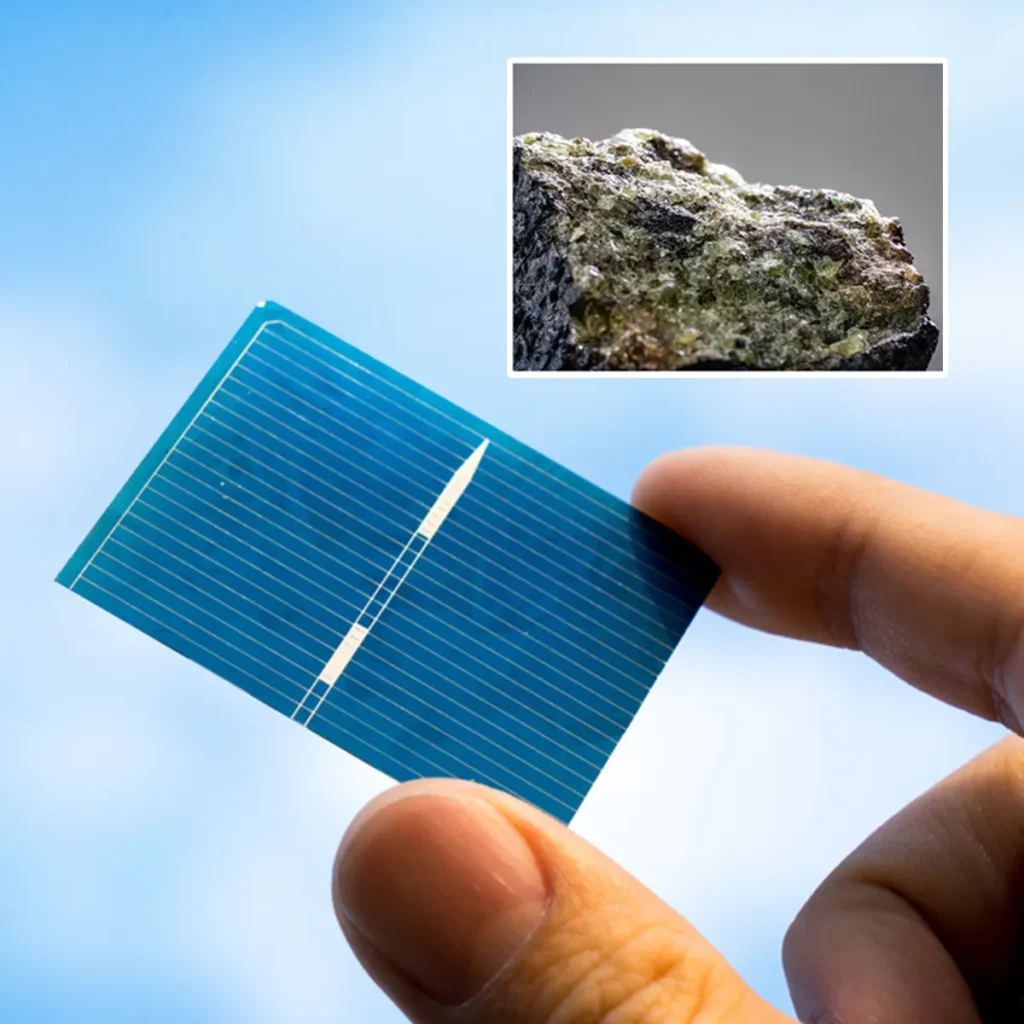
Perovskite solar panels derive their name from the perovskite crystal structure, a unique mineral discovered in the 19th century. In solar applications, perovskite materials are synthetically engineered to function as efficient light absorbers. These materials are used in thin-film solar cells, which are lightweight, flexible, and capable of delivering high efficiency at lower costs.

How Do Perovskite Solar Cells Work?

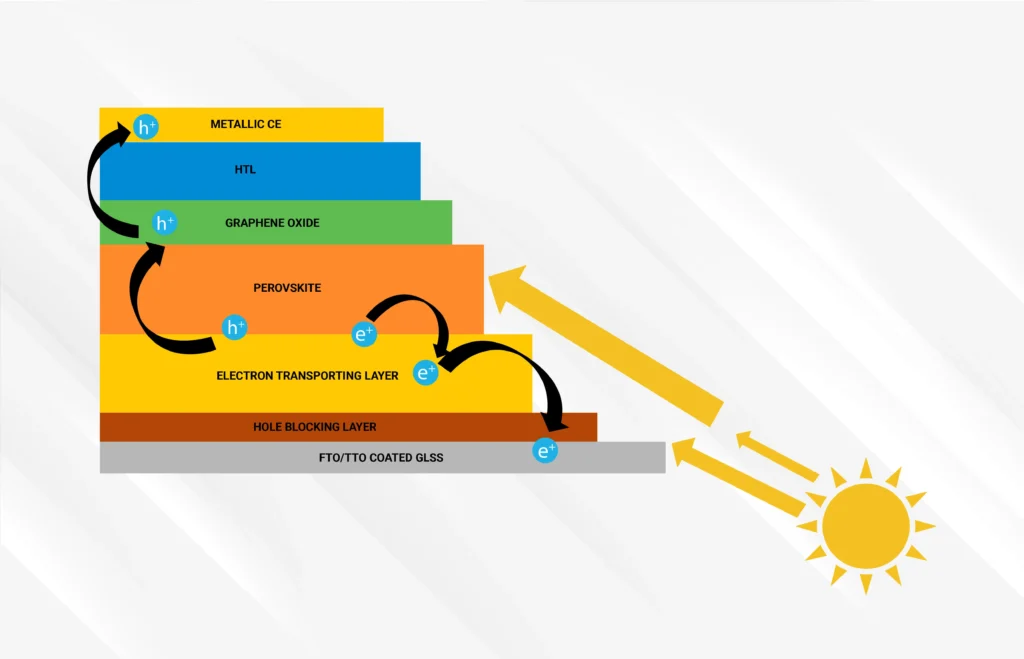
Photon Absorption: When sunlight hits the perovskite layer, it absorbs photons, creating electron-hole pairs (excitons) bound by Coulomb forces.

Exciton Diffusion: These excitons move within the crystal structure. If their diffusion length is sufficient, the chances of recombination are minimized, allowing them to reach the interface efficiently.

Exciton Dissociation: Due to the low exciton binding energy in perovskite materials, excitons readily split at the interface between the perovskite absorber layer and the transport layer. This separation allows electrons to transition to the Lowest Unoccupied Molecular Orbital (LUMO) level, while holes remain in the Highest Occupied Molecular Orbital (HOMO) level, creating free charge carriers.

Charge Carrier Transport: The free electrons move through the electron transport layer (ETL) towards the cathode, while free holes migrate through the hole transport layer (HTL) towards the anode.

Charge Collection: The cathode collects electrons via the ETL, while the anode gathers holes through the HTL. This movement generates a potential difference, and when an external circuit is connected, electricity flows, completing the energy conversion process.

This efficient mechanism is what makes perovskite solar cells a promising alternative in the field of new solar panel technologies and a strong contender for the future of photovoltaic panels.

Benefits of Perovskite Solar Panels
The shift towards perovskite technology is driven by its superior efficiency and cost-effectiveness. Key benefits include:

High Efficiency: Perovskite solar cells have demonstrated energy conversion efficiencies exceeding 25%, rivaling the best silicon panels available today.

Lower Production Costs: Unlike silicon-based PV modules that require high-temperature processing and expensive materials, perovskite panels can be manufactured using simple and cost-effective techniques.

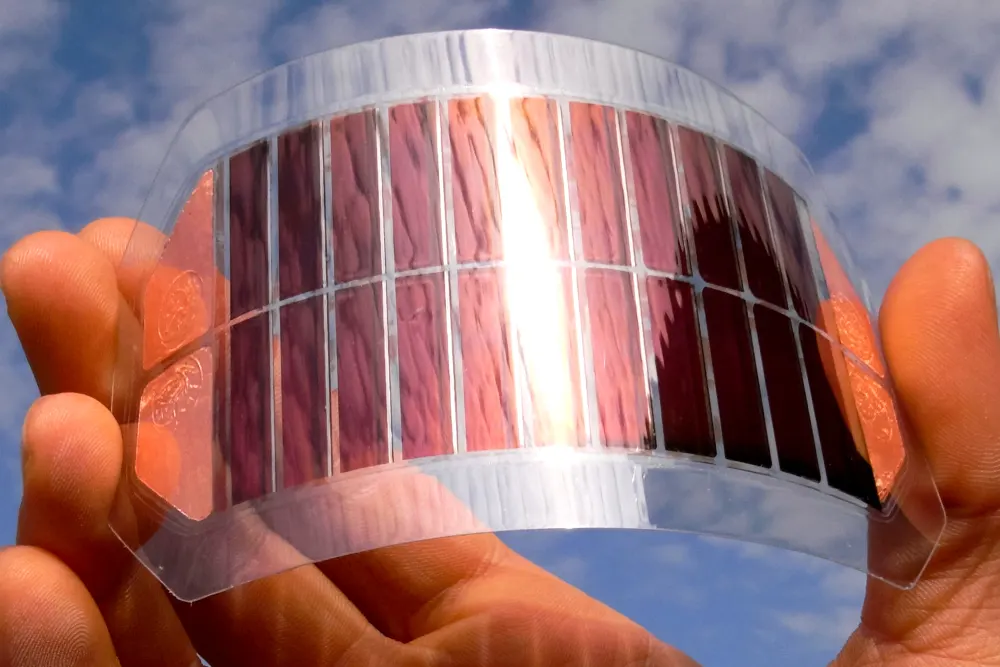
Flexible and Lightweight: Perovskite materials can be applied to flexible substrates, making them ideal for applications such as building-integrated photovoltaics (BIPV), portable solar devices, and even space technology.

Customization and Versatility: The material composition of perovskite cells can be tailored to optimize performance for different wavelengths of sunlight, increasing overall energy output.These benefits position perovskite solar panels as a promising alternative to conventional solar module manufacturers in India and worldwide.

Challenges Hindering Commercialization

Despite their immense potential, perovskite solar panels face several challenges before they can be widely adopted by solar panel manufacturers:

Stability and Durability: Perovskite materials are prone to degradation when exposed to moisture, oxygen, and UV radiation, reducing their lifespan compared to silicon-based panels.

Scalability Issues: While laboratory-scale perovskite solar cells have demonstrated high efficiency, scaling them for mass production while maintaining performance and stability is a significant challenge.

Efficiency Challenges in Large-Scale Applications: The performance of perovskite solar cells is significantly influenced by the uniformity and density of the perovskite layer. While small-area cells developed in laboratories demonstrate high efficiency, scaling them up for larger, real-world applications often leads to efficiency losses. This is primarily due to inconsistencies in film deposition and material distribution, which impact overall energy conversion performance.

Unstandardized Material Systems: The production of perovskite solar cells involves a diverse range of material choices, with no universally established standard. This lack of standardization introduces uncertainties and elevates production costs. Various research teams experiment with different perovskite material compositions, resulting in variations in efficiency, stability, and overall performance, making large-scale commercialization more challenging.

For solar module manufacturers , overcoming these hurdles is crucial to making perovskite solar technology viable for long-term adoption.

The Future of Perovskite Solar Panels
The global solar industry is investing heavily in perovskite research, with companies and research institutions working towards commercializing new solar panel technologies. Hybrid designs that combine perovskite with silicon (tandem solar cells) have shown great promise, pushing efficiency levels beyond 30%.

Leading photovoltaic panel manufacturers are testing perovskite-based solutions for various applications, including residential rooftops, large-scale solar farms, and even transparent solar films for windows. Solar energy manufacturers are optimistic that, with continued innovation, perovskite solar panels could redefine the solar industry within the next decade.

Wrapping Up

Perovskite solar panels represent a significant leap forward in solar energy technology. With their superior efficiency, affordability, and versatility, they have the potential to transform the solar industry. However, challenges related to stability, scalability, and environmental impact must be addressed before they can replace traditional silicon-based PV modules.

For solar manufacturers, the race is on to develop commercially viable perovskite solutions that can meet the world’s growing energy demands. If these challenges are successfully overcome, perovskite solar panels could indeed be the future of solar technology, paving the way for a cleaner, more sustainable energy landscape.